
the most important thing is to keep your head and decide your going to survive no matter what. after that i would say depending on where you are water and shelter then food
Yeah, when my canoe turned over a few years ago, I forgot that one important tip and gasped when I went under the cold water. Like to have choked me. It's the simple things that'll do you in.
Know your environs, be prepared for the types of weather/dangers you can face locally, be aware of your surroundings, don't ever think that because you can't see a threat, that one isn't there - especially in the wilds. Carry comms with you, as well as a way of finding your way. And remember Mr. Murphy - assume that if something can go wrong, it WILL go wrong. DOn't assume technology can save yer butt - know how to read a map and use a compass, and be ready to use them if needs be.
1. Do not go unpracticed. You may have watched a show on how to build a survival shelter, but have you ever tried it? How about when you are cold or wet? Have you ever caught a fish hand lining with that emergency fishing kit? Ever even tried to? etc, etc. Not actually trying these type of things gets a lot of people into trouble.
2. Be prepared. Pretty simple. Make sure you have a good survival pack with all the gear you can carry without it becoming too much of burden.
3. Know the area you are going to be in. Where ever you are going to be. Find out what plants are edible, what to stay away from, animals in the area, ways to find water, etc, etc. Locals will be your best, and often only source of anything more than the basic info in this category.
4. Map and compass. I don't care if you have a GPS. Those can fail. If you have a map of the area and a compass, and know how to use the 2 of them together, you are gonna be in much better shape.
5. Tell MULTIPLE people where you will be and EXACTLY what day and time you expect to be back whenever you leave for the wilderness. Even if you have gotten lost and moved out of that area it gives a search party a place to start.
The best survival tool is your head. Start by reading a few survival guides and watching a few survival videos. Survivor Man, Man vs. Wild, and Dual Survival are all great shows to watch to get ideas...don't imitate anything that is done in Man vs. Wild though. Bear Grylls is nuts and most of the things on that show should never be imitated or even done, but he is very good at improvising. You are only limited by your imagination and your willingness to survive.
Next step, make a survival kit and keep it small so you will always remember to take it with you. I keep mine in an altoids container. Only put the absolute necessities in it: waterproof matches, metal match, a sharp blade (I use a scalpel blade), needles, braided fishing line (can be used as thread, used for fishing, and used for stitching wounds), fish hooks, snare wire, band-aids, button compass, mirror shard (for signaling) mini magnifying glass (starts fires & handy for other), various tasks), condom (get your mind out of the gutter, it's to use as a water bag), and pack any leftover space with cotton balls (to keep it from rattling and the cotton balls make good tinder). Good luck!
You are more likely to die from being out of shape or having cancer. So, the best survival advice I can give is:
Keep your weight down, eat a healthy diet, don't smoke, drink in moderation, exercise, get regular health screenings, take care of wounds, practice safe copulation, and wear your seatbelt.
To help prevent accidental death related to outdoor activities:
1) Drive safely to/from
2) Wear a safety harness when hunting from an elevated stand
3) Practice gun safety and don't hunt with someone who is unsafe
4) Wear a life jacket when on the water
5) Dress in appropriate clothing for the weather
6) Take enough clean water or treat water while in the field
7) Watch out for carbon monoxide in tents, cabins, and autos
8) Practice fire safety in tents and cabins
9) Understand your mechnical equipment and use it safely (ATV, 4WD, tractor, chainsaw, etc.)
10) NEVER hunt dangerous game with too small of a gun!!!
The best advice I can give is not to have a plan for what to do when things go wrong, but to have an excellent plan for how to keep things from going wrong....always.
Always carry a good knife and two means of making fire on your person. Carry some water and the means to purify more. Beyond that I suggest reading my book on the subject, "Life in the Wild vs. the Alternative" a treatise on wilderness survival. See more about it on the Survival Message Board.
jamesti,
No, I was recalling a scene from the movie, "Casino," in which Robert DeNiro was dealing with a cheating patron of the casino tied up in the basement.
There were a lot of holes in the desert, already dug in anticipation of problem disposal.
You can survive 2-3 days without water
You can survive 2-3 weeks without food
Unless I knew that I would be "gone" for more than a week, I wouldn't eat anything scavanged unless I was absolutely sure it was OK (and thoroughly cooked). Its harder to hike when you're sick. Same for water if you're out for less than 1-2 days.
If its in a desert scenario, try to remain inactive during the heat of the day.
ableskeeper...That is a very dangerous survival philosophy. If you are in a true survival situation you can not plan for getting out of it at any specific time. You have no idea how long it could be before you are rescued or find your way out. Letting yourself dehydrate is one of the top killers in the outdoors. Going 1-2 days without water while in a situation like that is just plain stupid. Same goes with not eating when you have the chance. Where I am from people who are in those situations and don't take advantage of every opportunity that comes their way often come out in body bags.
"Researchers found that snowboarding (25.5 percent), sledding (10.8 percent), and hiking (6.3 percent) were associated with the highest percentage of injuries requiring emergency department visits."
"The study points out that wilderness injury prevention begins with planning, preparation, and problem anticipation. Outdoor adventurers can help prevent injuries by:
> Maintaining their levels of fitness, knowing their skill levels and experience, and not exceeding their limits.
> Checking and maintaining their equipment and replacing if needed.
> Carrying a first-aid kit (and, if appropriate for the situation, a two-way communication device.)
> Alerting others about where they are going.
Here are some survival tips if you are to go into the great outdoors:
Refrain from hunting alone - Find a buddy. Fall down off a ridge in the middle of nowhere and break your leg? You've ran out of luck.
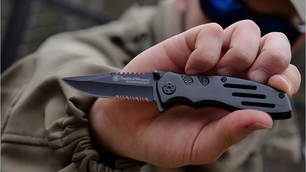
Supplies - You need to have some kind of first aid kit on you. Water is a must. Pack some energy bars, jerky, or something along the lines of that. Having a good pocket knife is always a good idea.
Spread the word - Tell your family were your going. That way if you get in trouble they can try to track you down.
Directions - Always have a good compass on you. Learn how to use it. Even if you are convinced you have the best Garmin GPS, if something happens to that, nothing beats a good compass and map.
Research, reasearch! - Do research on the area you will be going to. What is the terrain like? How far is it away?
1. Do not go unpracticed. You may have watched a show on how to build a survival shelter, but have you ever tried it? How about when you are cold or wet? Have you ever caught a fish hand lining with that emergency fishing kit? Ever even tried to? etc, etc. Not actually trying these type of things gets a lot of people into trouble.
2. Be prepared. Pretty simple. Make sure you have a good survival pack with all the gear you can carry without it becoming too much of burden.
3. Know the area you are going to be in. Where ever you are going to be. Find out what plants are edible, what to stay away from, animals in the area, ways to find water, etc, etc. Locals will be your best, and often only source of anything more than the basic info in this category.
4. Map and compass. I don't care if you have a GPS. Those can fail. If you have a map of the area and a compass, and know how to use the 2 of them together, you are gonna be in much better shape.
5. Tell MULTIPLE people where you will be and EXACTLY what day and time you expect to be back whenever you leave for the wilderness. Even if you have gotten lost and moved out of that area it gives a search party a place to start.
You are more likely to die from being out of shape or having cancer. So, the best survival advice I can give is:
Keep your weight down, eat a healthy diet, don't smoke, drink in moderation, exercise, get regular health screenings, take care of wounds, practice safe copulation, and wear your seatbelt.
To help prevent accidental death related to outdoor activities:
1) Drive safely to/from
2) Wear a safety harness when hunting from an elevated stand
3) Practice gun safety and don't hunt with someone who is unsafe
4) Wear a life jacket when on the water
5) Dress in appropriate clothing for the weather
6) Take enough clean water or treat water while in the field
7) Watch out for carbon monoxide in tents, cabins, and autos
8) Practice fire safety in tents and cabins
9) Understand your mechnical equipment and use it safely (ATV, 4WD, tractor, chainsaw, etc.)
10) NEVER hunt dangerous game with too small of a gun!!!
Always carry a good knife and two means of making fire on your person. Carry some water and the means to purify more. Beyond that I suggest reading my book on the subject, "Life in the Wild vs. the Alternative" a treatise on wilderness survival. See more about it on the Survival Message Board.
jamesti,
No, I was recalling a scene from the movie, "Casino," in which Robert DeNiro was dealing with a cheating patron of the casino tied up in the basement.
There were a lot of holes in the desert, already dug in anticipation of problem disposal.
Here are some survival tips if you are to go into the great outdoors:
Refrain from hunting alone - Find a buddy. Fall down off a ridge in the middle of nowhere and break your leg? You've ran out of luck.
Supplies - You need to have some kind of first aid kit on you. Water is a must. Pack some energy bars, jerky, or something along the lines of that. Having a good pocket knife is always a good idea.
Spread the word - Tell your family were your going. That way if you get in trouble they can try to track you down.
Directions - Always have a good compass on you. Learn how to use it. Even if you are convinced you have the best Garmin GPS, if something happens to that, nothing beats a good compass and map.
Research, reasearch! - Do research on the area you will be going to. What is the terrain like? How far is it away?
the most important thing is to keep your head and decide your going to survive no matter what. after that i would say depending on where you are water and shelter then food
Yeah, when my canoe turned over a few years ago, I forgot that one important tip and gasped when I went under the cold water. Like to have choked me. It's the simple things that'll do you in.
Know your environs, be prepared for the types of weather/dangers you can face locally, be aware of your surroundings, don't ever think that because you can't see a threat, that one isn't there - especially in the wilds. Carry comms with you, as well as a way of finding your way. And remember Mr. Murphy - assume that if something can go wrong, it WILL go wrong. DOn't assume technology can save yer butt - know how to read a map and use a compass, and be ready to use them if needs be.
The best survival tool is your head. Start by reading a few survival guides and watching a few survival videos. Survivor Man, Man vs. Wild, and Dual Survival are all great shows to watch to get ideas...don't imitate anything that is done in Man vs. Wild though. Bear Grylls is nuts and most of the things on that show should never be imitated or even done, but he is very good at improvising. You are only limited by your imagination and your willingness to survive.
Next step, make a survival kit and keep it small so you will always remember to take it with you. I keep mine in an altoids container. Only put the absolute necessities in it: waterproof matches, metal match, a sharp blade (I use a scalpel blade), needles, braided fishing line (can be used as thread, used for fishing, and used for stitching wounds), fish hooks, snare wire, band-aids, button compass, mirror shard (for signaling) mini magnifying glass (starts fires & handy for other), various tasks), condom (get your mind out of the gutter, it's to use as a water bag), and pack any leftover space with cotton balls (to keep it from rattling and the cotton balls make good tinder). Good luck!
The best advice I can give is not to have a plan for what to do when things go wrong, but to have an excellent plan for how to keep things from going wrong....always.
You can survive 2-3 days without water
You can survive 2-3 weeks without food
Unless I knew that I would be "gone" for more than a week, I wouldn't eat anything scavanged unless I was absolutely sure it was OK (and thoroughly cooked). Its harder to hike when you're sick. Same for water if you're out for less than 1-2 days.
If its in a desert scenario, try to remain inactive during the heat of the day.
ableskeeper...That is a very dangerous survival philosophy. If you are in a true survival situation you can not plan for getting out of it at any specific time. You have no idea how long it could be before you are rescued or find your way out. Letting yourself dehydrate is one of the top killers in the outdoors. Going 1-2 days without water while in a situation like that is just plain stupid. Same goes with not eating when you have the chance. Where I am from people who are in those situations and don't take advantage of every opportunity that comes their way often come out in body bags.
"Researchers found that snowboarding (25.5 percent), sledding (10.8 percent), and hiking (6.3 percent) were associated with the highest percentage of injuries requiring emergency department visits."
"The study points out that wilderness injury prevention begins with planning, preparation, and problem anticipation. Outdoor adventurers can help prevent injuries by:
> Maintaining their levels of fitness, knowing their skill levels and experience, and not exceeding their limits.
> Checking and maintaining their equipment and replacing if needed.
> Carrying a first-aid kit (and, if appropriate for the situation, a two-way communication device.)
> Alerting others about where they are going.
Answers (27)
the most important thing is to keep your head and decide your going to survive no matter what. after that i would say depending on where you are water and shelter then food
be prepared for anything and do your research before you go.
Check the message boards
Dont panic get ur bearings and remeber fire water and shelter come ferst
Don't walk alone in down town Detroit after dark unless you have a really big gun and know how to use it.
Don't get lost and always hike in Grizzly country with someone slower than you.
If the boat turns over, keep your head above water.
Thanks country road, that goes along with 'if you're underwater, don't breathe'
Yeah, when my canoe turned over a few years ago, I forgot that one important tip and gasped when I went under the cold water. Like to have choked me. It's the simple things that'll do you in.
Know your environs, be prepared for the types of weather/dangers you can face locally, be aware of your surroundings, don't ever think that because you can't see a threat, that one isn't there - especially in the wilds. Carry comms with you, as well as a way of finding your way. And remember Mr. Murphy - assume that if something can go wrong, it WILL go wrong. DOn't assume technology can save yer butt - know how to read a map and use a compass, and be ready to use them if needs be.
1. Do not go unpracticed. You may have watched a show on how to build a survival shelter, but have you ever tried it? How about when you are cold or wet? Have you ever caught a fish hand lining with that emergency fishing kit? Ever even tried to? etc, etc. Not actually trying these type of things gets a lot of people into trouble.
2. Be prepared. Pretty simple. Make sure you have a good survival pack with all the gear you can carry without it becoming too much of burden.
3. Know the area you are going to be in. Where ever you are going to be. Find out what plants are edible, what to stay away from, animals in the area, ways to find water, etc, etc. Locals will be your best, and often only source of anything more than the basic info in this category.
4. Map and compass. I don't care if you have a GPS. Those can fail. If you have a map of the area and a compass, and know how to use the 2 of them together, you are gonna be in much better shape.
5. Tell MULTIPLE people where you will be and EXACTLY what day and time you expect to be back whenever you leave for the wilderness. Even if you have gotten lost and moved out of that area it gives a search party a place to start.
1. Never hunt alone.
2. Don't switch the dice at the table in the casino at Caesars Palace in Las Vegas.
The best survival tool is your head. Start by reading a few survival guides and watching a few survival videos. Survivor Man, Man vs. Wild, and Dual Survival are all great shows to watch to get ideas...don't imitate anything that is done in Man vs. Wild though. Bear Grylls is nuts and most of the things on that show should never be imitated or even done, but he is very good at improvising. You are only limited by your imagination and your willingness to survive.
Next step, make a survival kit and keep it small so you will always remember to take it with you. I keep mine in an altoids container. Only put the absolute necessities in it: waterproof matches, metal match, a sharp blade (I use a scalpel blade), needles, braided fishing line (can be used as thread, used for fishing, and used for stitching wounds), fish hooks, snare wire, band-aids, button compass, mirror shard (for signaling) mini magnifying glass (starts fires & handy for other), various tasks), condom (get your mind out of the gutter, it's to use as a water bag), and pack any leftover space with cotton balls (to keep it from rattling and the cotton balls make good tinder). Good luck!
Leading causes of death in the USA from the CDC:
( Data are for the U.S. and are final 2007 data, Number of deaths: 2,423,712 )
•Heart disease: 616,067
•Cancer: 562,875
•Stroke (cerebrovascular diseases): 135,952
•Chronic lower respiratory diseases: 127,924
•Accidents (unintentional injuries): 123,706
•Alzheimer's disease: 74,632
•Diabetes: 71,382
•Influenza and Pneumonia: 52,717
•Nephritis, nephrotic syndrome, and nephrosis: 46,448
•Septicemia: 34,828
http://www.cdc.gov/nchs/fastats/deaths.htm
List of preventable causes of death:
http://en.wikipedia.org/wiki/List_of_preventable_causes_of_death
You are more likely to die from being out of shape or having cancer. So, the best survival advice I can give is:
Keep your weight down, eat a healthy diet, don't smoke, drink in moderation, exercise, get regular health screenings, take care of wounds, practice safe copulation, and wear your seatbelt.
To help prevent accidental death related to outdoor activities:
1) Drive safely to/from
2) Wear a safety harness when hunting from an elevated stand
3) Practice gun safety and don't hunt with someone who is unsafe
4) Wear a life jacket when on the water
5) Dress in appropriate clothing for the weather
6) Take enough clean water or treat water while in the field
7) Watch out for carbon monoxide in tents, cabins, and autos
8) Practice fire safety in tents and cabins
9) Understand your mechnical equipment and use it safely (ATV, 4WD, tractor, chainsaw, etc.)
10) NEVER hunt dangerous game with too small of a gun!!!
Free survival advice from the PigHunter, LOL!
The best advice I can give is not to have a plan for what to do when things go wrong, but to have an excellent plan for how to keep things from going wrong....always.
99, was number 2 by some personal experience?
Speaking of #2...no matter where you go, always bring some toilet paper...it has lots of uses!
Toilet paper is not rally necessary if you carry a lot of small denomination bills in your wallet.
Always carry a good knife and two means of making fire on your person. Carry some water and the means to purify more. Beyond that I suggest reading my book on the subject, "Life in the Wild vs. the Alternative" a treatise on wilderness survival. See more about it on the Survival Message Board.
jamesti,
No, I was recalling a scene from the movie, "Casino," in which Robert DeNiro was dealing with a cheating patron of the casino tied up in the basement.
There were a lot of holes in the desert, already dug in anticipation of problem disposal.
oh, i forgot about that movie. great one!
You can survive 2-3 days without water
You can survive 2-3 weeks without food
Unless I knew that I would be "gone" for more than a week, I wouldn't eat anything scavanged unless I was absolutely sure it was OK (and thoroughly cooked). Its harder to hike when you're sick. Same for water if you're out for less than 1-2 days.
If its in a desert scenario, try to remain inactive during the heat of the day.
ableskeeper...That is a very dangerous survival philosophy. If you are in a true survival situation you can not plan for getting out of it at any specific time. You have no idea how long it could be before you are rescued or find your way out. Letting yourself dehydrate is one of the top killers in the outdoors. Going 1-2 days without water while in a situation like that is just plain stupid. Same goes with not eating when you have the chance. Where I am from people who are in those situations and don't take advantage of every opportunity that comes their way often come out in body bags.
Outdoor injuries:
http://www.cdc.gov/media/pressrel/2008/r080610.htm
"Researchers found that snowboarding (25.5 percent), sledding (10.8 percent), and hiking (6.3 percent) were associated with the highest percentage of injuries requiring emergency department visits."
"The study points out that wilderness injury prevention begins with planning, preparation, and problem anticipation. Outdoor adventurers can help prevent injuries by:
> Maintaining their levels of fitness, knowing their skill levels and experience, and not exceeding their limits.
> Checking and maintaining their equipment and replacing if needed.
> Carrying a first-aid kit (and, if appropriate for the situation, a two-way communication device.)
> Alerting others about where they are going.
Check this out: http://dsc.discovery.com/survival/how-to-survive/how-to-survive-tips.htm... It has all the answers you need. Gian @ http://www.fingerlessglovesguide.com
Dont ever buy a store made survival kit. Always make your ownat home with gear you are familiar with.
Here are some survival tips if you are to go into the great outdoors:
Refrain from hunting alone - Find a buddy. Fall down off a ridge in the middle of nowhere and break your leg? You've ran out of luck.
Supplies - You need to have some kind of first aid kit on you. Water is a must. Pack some energy bars, jerky, or something along the lines of that. Having a good pocket knife is always a good idea.
Spread the word - Tell your family were your going. That way if you get in trouble they can try to track you down.
Directions - Always have a good compass on you. Learn how to use it. Even if you are convinced you have the best Garmin GPS, if something happens to that, nothing beats a good compass and map.
Research, reasearch! - Do research on the area you will be going to. What is the terrain like? How far is it away?
Hope you enjoy my survival tips.
Post an Answer
Don't get lost and always hike in Grizzly country with someone slower than you.
Thanks country road, that goes along with 'if you're underwater, don't breathe'
1. Do not go unpracticed. You may have watched a show on how to build a survival shelter, but have you ever tried it? How about when you are cold or wet? Have you ever caught a fish hand lining with that emergency fishing kit? Ever even tried to? etc, etc. Not actually trying these type of things gets a lot of people into trouble.
2. Be prepared. Pretty simple. Make sure you have a good survival pack with all the gear you can carry without it becoming too much of burden.
3. Know the area you are going to be in. Where ever you are going to be. Find out what plants are edible, what to stay away from, animals in the area, ways to find water, etc, etc. Locals will be your best, and often only source of anything more than the basic info in this category.
4. Map and compass. I don't care if you have a GPS. Those can fail. If you have a map of the area and a compass, and know how to use the 2 of them together, you are gonna be in much better shape.
5. Tell MULTIPLE people where you will be and EXACTLY what day and time you expect to be back whenever you leave for the wilderness. Even if you have gotten lost and moved out of that area it gives a search party a place to start.
Leading causes of death in the USA from the CDC:
( Data are for the U.S. and are final 2007 data, Number of deaths: 2,423,712 )
•Heart disease: 616,067
•Cancer: 562,875
•Stroke (cerebrovascular diseases): 135,952
•Chronic lower respiratory diseases: 127,924
•Accidents (unintentional injuries): 123,706
•Alzheimer's disease: 74,632
•Diabetes: 71,382
•Influenza and Pneumonia: 52,717
•Nephritis, nephrotic syndrome, and nephrosis: 46,448
•Septicemia: 34,828
http://www.cdc.gov/nchs/fastats/deaths.htm
List of preventable causes of death:
http://en.wikipedia.org/wiki/List_of_preventable_causes_of_death
You are more likely to die from being out of shape or having cancer. So, the best survival advice I can give is:
Keep your weight down, eat a healthy diet, don't smoke, drink in moderation, exercise, get regular health screenings, take care of wounds, practice safe copulation, and wear your seatbelt.
To help prevent accidental death related to outdoor activities:
1) Drive safely to/from
2) Wear a safety harness when hunting from an elevated stand
3) Practice gun safety and don't hunt with someone who is unsafe
4) Wear a life jacket when on the water
5) Dress in appropriate clothing for the weather
6) Take enough clean water or treat water while in the field
7) Watch out for carbon monoxide in tents, cabins, and autos
8) Practice fire safety in tents and cabins
9) Understand your mechnical equipment and use it safely (ATV, 4WD, tractor, chainsaw, etc.)
10) NEVER hunt dangerous game with too small of a gun!!!
Free survival advice from the PigHunter, LOL!
99, was number 2 by some personal experience?
be prepared for anything and do your research before you go.
Don't walk alone in down town Detroit after dark unless you have a really big gun and know how to use it.
If the boat turns over, keep your head above water.
1. Never hunt alone.
2. Don't switch the dice at the table in the casino at Caesars Palace in Las Vegas.
Always carry a good knife and two means of making fire on your person. Carry some water and the means to purify more. Beyond that I suggest reading my book on the subject, "Life in the Wild vs. the Alternative" a treatise on wilderness survival. See more about it on the Survival Message Board.
jamesti,
No, I was recalling a scene from the movie, "Casino," in which Robert DeNiro was dealing with a cheating patron of the casino tied up in the basement.
There were a lot of holes in the desert, already dug in anticipation of problem disposal.
oh, i forgot about that movie. great one!
Check this out: http://dsc.discovery.com/survival/how-to-survive/how-to-survive-tips.htm... It has all the answers you need. Gian @ http://www.fingerlessglovesguide.com
Here are some survival tips if you are to go into the great outdoors:
Refrain from hunting alone - Find a buddy. Fall down off a ridge in the middle of nowhere and break your leg? You've ran out of luck.
Supplies - You need to have some kind of first aid kit on you. Water is a must. Pack some energy bars, jerky, or something along the lines of that. Having a good pocket knife is always a good idea.
Spread the word - Tell your family were your going. That way if you get in trouble they can try to track you down.
Directions - Always have a good compass on you. Learn how to use it. Even if you are convinced you have the best Garmin GPS, if something happens to that, nothing beats a good compass and map.
Research, reasearch! - Do research on the area you will be going to. What is the terrain like? How far is it away?
Hope you enjoy my survival tips.
the most important thing is to keep your head and decide your going to survive no matter what. after that i would say depending on where you are water and shelter then food
Dont panic get ur bearings and remeber fire water and shelter come ferst
Yeah, when my canoe turned over a few years ago, I forgot that one important tip and gasped when I went under the cold water. Like to have choked me. It's the simple things that'll do you in.
Know your environs, be prepared for the types of weather/dangers you can face locally, be aware of your surroundings, don't ever think that because you can't see a threat, that one isn't there - especially in the wilds. Carry comms with you, as well as a way of finding your way. And remember Mr. Murphy - assume that if something can go wrong, it WILL go wrong. DOn't assume technology can save yer butt - know how to read a map and use a compass, and be ready to use them if needs be.
The best survival tool is your head. Start by reading a few survival guides and watching a few survival videos. Survivor Man, Man vs. Wild, and Dual Survival are all great shows to watch to get ideas...don't imitate anything that is done in Man vs. Wild though. Bear Grylls is nuts and most of the things on that show should never be imitated or even done, but he is very good at improvising. You are only limited by your imagination and your willingness to survive.
Next step, make a survival kit and keep it small so you will always remember to take it with you. I keep mine in an altoids container. Only put the absolute necessities in it: waterproof matches, metal match, a sharp blade (I use a scalpel blade), needles, braided fishing line (can be used as thread, used for fishing, and used for stitching wounds), fish hooks, snare wire, band-aids, button compass, mirror shard (for signaling) mini magnifying glass (starts fires & handy for other), various tasks), condom (get your mind out of the gutter, it's to use as a water bag), and pack any leftover space with cotton balls (to keep it from rattling and the cotton balls make good tinder). Good luck!
The best advice I can give is not to have a plan for what to do when things go wrong, but to have an excellent plan for how to keep things from going wrong....always.
Speaking of #2...no matter where you go, always bring some toilet paper...it has lots of uses!
Toilet paper is not rally necessary if you carry a lot of small denomination bills in your wallet.
You can survive 2-3 days without water
You can survive 2-3 weeks without food
Unless I knew that I would be "gone" for more than a week, I wouldn't eat anything scavanged unless I was absolutely sure it was OK (and thoroughly cooked). Its harder to hike when you're sick. Same for water if you're out for less than 1-2 days.
If its in a desert scenario, try to remain inactive during the heat of the day.
ableskeeper...That is a very dangerous survival philosophy. If you are in a true survival situation you can not plan for getting out of it at any specific time. You have no idea how long it could be before you are rescued or find your way out. Letting yourself dehydrate is one of the top killers in the outdoors. Going 1-2 days without water while in a situation like that is just plain stupid. Same goes with not eating when you have the chance. Where I am from people who are in those situations and don't take advantage of every opportunity that comes their way often come out in body bags.
Outdoor injuries:
http://www.cdc.gov/media/pressrel/2008/r080610.htm
"Researchers found that snowboarding (25.5 percent), sledding (10.8 percent), and hiking (6.3 percent) were associated with the highest percentage of injuries requiring emergency department visits."
"The study points out that wilderness injury prevention begins with planning, preparation, and problem anticipation. Outdoor adventurers can help prevent injuries by:
> Maintaining their levels of fitness, knowing their skill levels and experience, and not exceeding their limits.
> Checking and maintaining their equipment and replacing if needed.
> Carrying a first-aid kit (and, if appropriate for the situation, a two-way communication device.)
> Alerting others about where they are going.
Dont ever buy a store made survival kit. Always make your ownat home with gear you are familiar with.
Check the message boards
Post an Answer