The Best Fly Rods of 2024, Tested and Reviewed
We tortured-tested 16 of today's most innovative—and affordable—trout rods to find the best fly rods of the year
| Best Overall |
|
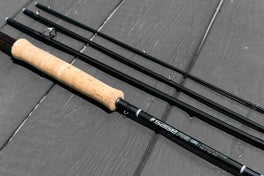
Sage R8 Core | SEE IT |
LEARN MORE
|
Summary
The new R8 Core packs everything you want—power, feel, accuracy, and line control—into one remarkably versatile fly rod. From long bombs to roll casts to precision mending, the R8 does it all, beautifully. |
| Best Value |
|
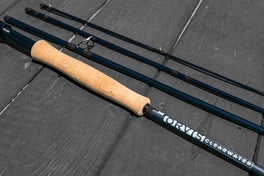
Orvis Clearwater | SEE IT |
LEARN MORE
|
Summary
The Orvis Clearwater can do almost everything a high-end trout rod can do at a fraction of the cost. It launches long casts and consistent loops with surprisingly good feel and decent line control. |
| Best Small Stream Rod |

|
Epic Reference 476 Fastglass | SEE IT |
LEARN MORE
|
Summary
An absolute pocket rocket, the Epic Reference 476 Fastglass fly rod is a dream to fish on small, technical trout streams. The rod lands flies accurately and delicately—and it has an impressive backbone for a stick this light. |
We may earn revenue from the products available on this page and participate in affiliate programs. Learn more ›
This summer, in the name of research (and fun), a crew of Field & Stream editors assembled for the most rigorous fly rod test we’ve ever done. In the months leading up to the test, it quickly became clear that we’d need to narrow things down because there are a lot of fly rods on the market. Do we test freshwater fly rods or saltwater fly rods? Fresh. Do we tackle fly rods for all freshwater gamefish or focus on one species? One. Do we go with panfish or bass or trout or pike or…Trout.
Of course we picked trout. What else would you expect from a magazine brand that, for decades, concluded every story with a small icon of a Canada goose and a trout?
With that decided, the five resident trout bums on the F&S staff traveled to the Catskills of New York for a long weekend of casting, fishing, and (hopefully) catching as we tested 16 of the year’s best fly rods for trout fishing.
Best Fly Rods
- Best Overall: Sage R8 Core
- Best Value: Orvis Clearwater
- Best Small Stream Fly Rod: Epic Reference 476 Fastglass
The Rest of the Best Fly Rods
- Epic Reference 590G Carbon Fiber
- G. Loomis NRX+Fly
- Hardy Ultralite X
- Maine Fly Rod Co. Kennebec
- Moonshine Vesper
- Orvis Helios 3 Blackout
- Redington Trace
- Scott Centric
- St. Croix Imperial
- St. Croix Mojo Trout
- Temple Fork Outfitters Blue Ribbon
- Temple Fork Outfitters LK Legacy
- Thomas & Thomas Paradigm
How We Tested the Best Fly Rods
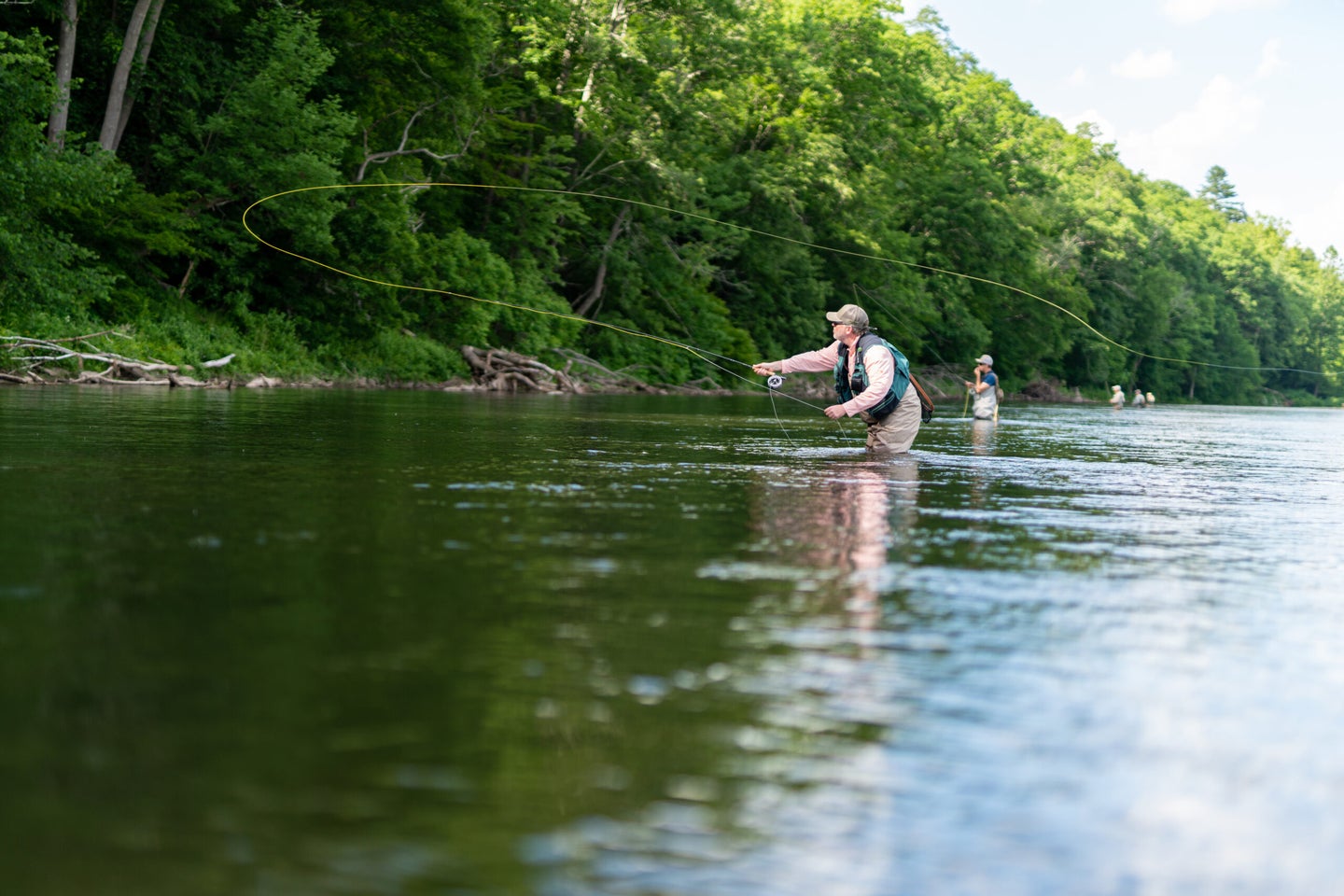
For our test, we traveled to one of the most famous—and challenging—trout rivers in the country: the West Branch of the Delaware River. The Delaware has long been the unofficial home river of the Field & Stream team, going back to the days when angling legends like A.J. McClane and, later, John Merwin served as the Fishing Editor for F&S. There are certainly easier places than the Upper D to catch trout, but easy is not what this gear test was about. We wanted to see how today’s best fly rods performed under the toughest and most technical fishing conditions possible, which the Delaware offers in spades.
Our five-person test crew consisted of the following members of the F&S staff:
- Colin Kearns, Editor-in-Chief
- Dave Hurteau, Executive Editor
- Matthew Every, Senior Editor
- Sage Marshall, News Editor
- Ryan Chelius, Assistant Editor
Collectively, we have nearly 100 years worth of fly fishing experience and have traveled across North America on various angling adventures.
Our home base for the test was the Dream Catcher Lodge. We arrived with 16 fly rods in a wide variety of prices (sub-$200 to $1,000-plus), actions (glass noodles to graphite broomsticks), and lengths (7 ½ feet to 10 feet). One specification they did share in common was line weight: We limited the test to 4- and 5-weights only. Another common thread across the test was the fly line we used. Similar to shooting the same load through every gun in a shotgun test, we spooled every reel with the same fly line—Rio Gold WF5F.
In the mornings and early afternoons of our test, we took over the enormous lawn at the lodge to set up our “range” for casting drills. Each tester was given a lane with targets measured at 30, 40, 50, 60, 70, and 80 feet. We tested every rod for distance and accuracy, and also recorded test-panel notes on each rod’s power, feel, control, and overall castability.




Then, in the late afternoons—just in time for the evening sulfur hatch—we put on our waders and hit the river. On the water, we again judged the rods how far and accurately they cast but paid particularly close attention to versatility. We cast dries, nymphs, hopper-droppers, and streamers. We double-hauled, roll-cast, and chuck-and-ducked. And, by the grace of the fish gods, we experienced one of those you-should’ve-been-there weekends and got to see how well these rods stood up to the weight and strength of wild Delaware River brown trout.
We also judged the rods on aesthetics (because we think looks matter in a fly rod) and their warranty (because every fly rod, no matter the price, is an investment).
On the final morning of the test—when a select few rods had quickly emerged as the front-runners for our Editors’ Pick and Best Value Awards—we conducted a blind-casting test. Two editors stood far off to the side, while the others used masking tape to cover the logos on the award-contending rods. The anonymous rods were then handed to the designated casters, who fired away, totally unaware of what they were casting. The results of this blind experiment were truly eye-opening, and as a result, two rods distinguished themselves as the unanimous winners for Editors’ Pick and Best Value.
And those winners are…
The Best Fly Rods: Reviews & Recommendations
Best Overall: Sage R8 Core
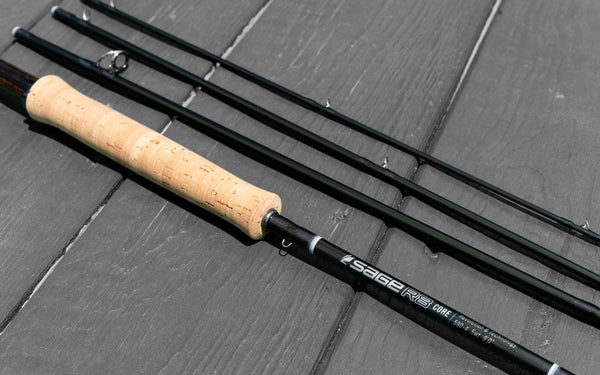
Specs
- Length: 9 feet
- Line Weight: 5
- Action: Fast
- Pieces: 4
- Warranty: Original-owner lifetime
Pros
- Lightweight with surprising power
- Highly versatile
- Classic looks
Cons
- Expensive
Test Panel Notes
- “This thing is an animal. During our distance tests, I could consistently reach out to 80-plus feet with ease. It’s one of the most powerful, and smoothest, fly rods I’ve ever cast.” —C.K.
- “A beautiful rod. Its sheer power made me feel like I could cast my fly anywhere I wanted.” —S.M.
You’re looking at the Editors’ Pick Award winner for the overall best new trout rod of 2023. Though, it was a tight race. At the end of the lawn-casting session, several testers were leaning in a different direction. But then we put the Sage R8 Core on the water—and that decided things.
On the lawn, there’s a tendency to favor the purest caster or the biggest bomb-thrower. On the water, you take in everything. And that is what sets the R8 apart: It does everything really, really well. Most rods are an either/or proposition; you get distance or feel, lightweight or power. But the R8 is different. At just 2 11/16 ounces, it’s light and lively and has enough power to cut the wind. It finished right near the top of our test for distance and provided wonderful feel and line control on the water. It’s accurate at short and long ranges, a rare combo.
All of this makes the R8 extremely versatile: it’s as good a nymphing rod as it is a dry-fly rod, and while you wouldn’t call our 9-foot, 5-weight test model a streamer rod (nor expect it to be one in this age of monster meat flies), it’s got more than enough backbone for Zonkers, Buggers, Muddlers, and other traditional trout streamers. Anything you’d ask a 5-weight to do on the water, our test rod did, in spades.
Speaking of traditional, the aesthetics on this rod are classic Sage, which I really appreciate. (Like my own good looks, it’s understated.) The R8 Core replaces the excellent X series, with the goal of putting more flex and feel deeper into the butt section to boost control and accuracy. The company pulled it off beautifully. As good as the X was, the R8 is a lighter, better overall trout rod. I have only two quibbles: the components while very good are not the absolute latest, and—surprise—the rod is pricey. A few other rods in this lineup will shoot line a little farther or cast a bit more effortlessly, but the R8 rules on the water. Which, as you may know, is where the trout live. —D.H.
Best Value: Orvis Clearwater

Specs
- Length: 9 feet
- Line Weight: 5
- Action: Medium-Fast
- Pieces: 4
- Warranty: 25-Year
Pros
- Killer bargain
- Remarkably forgiving
- Powerful
Cons
- A tad heavy and unwieldy
- Basic components
Test Panel Notes
- “What a bargain! I won’t name names, but this rod out-performed rods that cost two or three times as much.” —C.K.
- “I own a Clearwater and absolutely love it. It’s hard to beat, even when you put it up against the most expensive rods on the market.”—S.M.
The Orvis Clearwater is the best value in all-purpose trout rods by a mile. You won’t find anything better for twice as much money. You might even like it better than some fly rods that cost four times as much. How do I know? Because I did, at least briefly. As a little experiment, we decided to do a blind-casting test. We covered up the logos of a few of our favorite high-end rods and a few of our favorite low-end rods to compare them—and almost all of the testers put the Clearwater ahead of one or more of the high-end rods.
To be fair, this was a quick lawn-casting test, where we were focused more on distance and castability than on all-day fishability. But still, I found it as easy to shoot 90 feet of line from the Clearwater as with almost any other rod—and as effortless to throw tight consistent loops, too. Sure, the rod is comparatively heavy and might feel a little cumbersome to cast at the end of a long day. And on closer inspection, you’ll find that close-range accuracy isn’t great.
But from 25 feet out to 90, the Clearwater is an incredibly forgiving medium-fast rod with surprisingly good feel and decent line control. It requires a little more patience on the backstroke, but you get used to it quickly enough. The components are basic but fine, and there’s nothing wrong with the look of this rod, either. All in all, it is an astoundingly good rod for the money, and easily wins our Best Value award. —D.H.
Best Small Stream Fly Rod: Epic Reference 476 Fastglass
Specs
- Length: 7 ½ feet
- Line Weight: 4
- Action: Medium
- Pieces: 4
- Warranty: Lifetime
Pros
- Light, but strong
- Laser-like accuracy
- Easy on the eyes
Cons
- Not cheap for a specialty rod
Test Panel Notes
- “What a perfect special-purpose, small-stream rod. Casts like dream, and it looks so cool. I want one.” —D.H.
- “I’m jealous that I don’t own this rod. It is perfect for small streams and creeks. Plus, it’s the nicest looking rod in the test” —R.C.
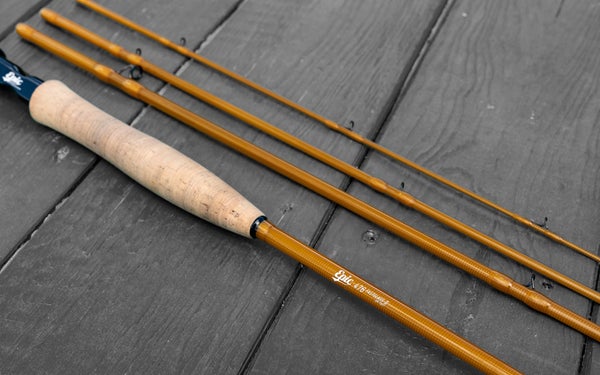
You’re looking at my new favorite fly-fishing rod. After years of using a 9-foot, fast-action rod on my home waters—a tight spring creek in New York—I finally invested in a stick better suited to the river. this spring After a lengthy search, I chose the Epic Reference 476 Fastglass.
If you’re used to fast-action rods (like I was), this rod takes some getting used to—but from there, it’s a pleasure to cast. I never need to make casts farther than 30 feet on my river, but during our distance drills at the test, I fired a couple that measured 60 feet.
For small-stream trout, the 476 Fastglass is as versatile as you need it to be. It’s capable of making accurate and subtle presentations with small dries, double-nymph rigs beneath an indicator, and small streamers. And this rod really comes to life when you set the hook into a fish. Fighting trout with this stick is So. Much. Fun. I’ve landed dozens of smaller 8- to 10-inch rainbows and browns with it—as well as a couple that pushed 16 inches. The power this light rod displays in tussles with bigger fish is truly impressive.
As for aesthetics, this rod was one of the overall stunners of the test. The translucent amber blank really pops, and the FLOR-grade cork feels as great as it looks. But eye candy doesn’t end there: When this rod first arrived at my house, I sent a photo of it to my friend, and he responded, “The rod tube even looks sick.”
The Reference 476 Fastglass we used at the test was my personal rod, and I’d be lying if I said I didn’t enjoy some smug delight when all of the other testers gushed over it. When it came down to awarding the Best Small Stream Fly Rod, there was no doubt this was the winner. —C.K.



The Rest of the Best Fly Rods of 2023
Just because the following fly rods didn’t take home any of our awards doesn’t mean they won’t get the job done on the trout stream. In fact, a couple of these rods nearly won Editors’ Choice, and several are absolute bargains. Whether you’re looking for an all-around 5-weight, a dedicated streamer stick, or a good fly rod for the money, you’ll find it here.
Epic Reference 590G Carbon Fiber
Specs
- Length: 9 feet
- Line Weight: 5
- Action: Medium-Fast
- Pieces: 4
- Warranty: Lifetime
Pros
- Fly line scorches through the guides
- Light and accurate
- Strong in a fight
Cons
- Clunky-looking reel seat
Test Panel Notes
- “This rod offers a nice blend of power and sensitivity, but it looked a bit modern for my taste.” —S.M.
- “A nice medium-fast rod with good accuracy and control. Best for smaller waters.” —D.H.
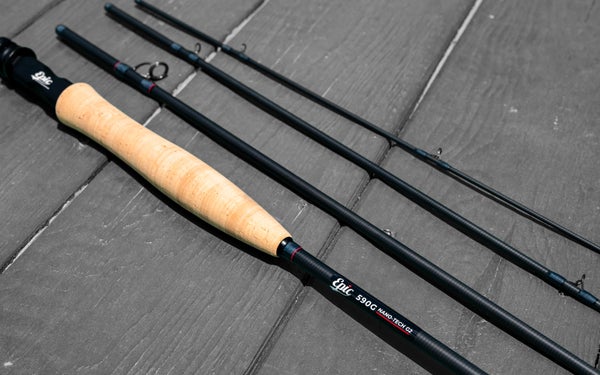
Consensus on the other Epic fly rod in our test was slightly less unanimous than with the 4-weight glass rod, which everyone loved. The testers admired the balance and control the Epic Reference 590G Carbon Fiber delivers—and while there weren’t any knocks against this rod, there were a couple of nitpicks when it came to versatility and aesthetics. Given the rod’s medium-fast action, some felt it was better suited for smaller waters than a big river, like the Delaware. And more than one tester commented that the rod’s looks didn’t do it for them. (The reel seat, specifically, stood out to some.)
Personally, this was one of my favorite rods of the test. During our distance sessions on the lawn, I fired my longest cast of the trip with the Reference 590G (93 feet). And when I was aiming at nearer targets for accuracy drills, I was impressed with the tight, precise loops the Reference threw. I’ve used this rod on big rivers (like the Delaware) and small creeks (like, well, I’m not saying where). It excelled on both, but I might’ve preferred it a bit more on the creeks where its ability to deliver ultra-accurate dry-fly presentations really shines. And as with the 4-weight Epic, fighting fish with this rod is a total blast.
As for looks, I can see why the aesthetics of the Reference 590G might not appeal to everyone. But the truth is, I like this rod so much that its design has really grown on me. Where some may see a modern, synthetic-looking rod, I see one that’s slick and stealthy. —C.K.
G. Loomis NRX+
Specs
- Length: 10 feet (test model)
- Line Weight: 5
- Action: Fast
- Pieces: 4
- Warranty: Limited lifetime
Pros
- Powerful, accurate, and versatile
- Great for casting into strong winds
- Made in the U.S.A.
Cons
- Heavy
Test Panel Notes
- “Just what you want in a 10-footer. It excels at nymphing, roll-casting, or fishing from a float tube, but it is versatile and powerful enough for everything else.” —D.H.
- “This is a nymphing machine and you can bomb casts when need be.” —R.C.
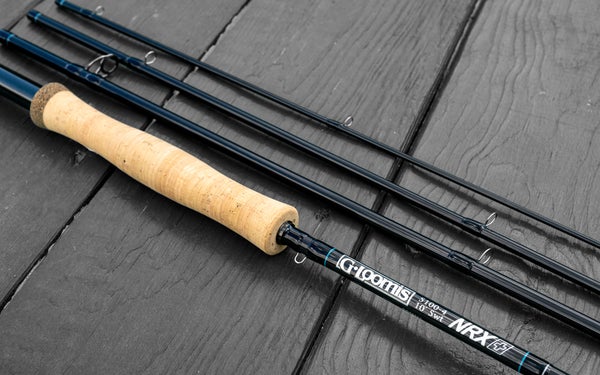
Before our test officially began—after we took all of the rods out of their tubes, assembled them, and set them on a table—the G. Loomis NRX+ stood out. At 10 feet long, it was the longest rod in our test. It was also the only one with a fighting butt.
Then we started casting, and the NRX+ really stood out. This rod is a workhorse. It generates tremendous line speed and shoots a ton of line (one tester described the NRX+ as a “missile launcher”), while also delivering consistent loop stability and accuracy.
During our first evening of fishing, I started with the NRX+ and I wound up having the best session on the Delaware River of my life. We hit a sulfur hatch just right, and I landed five wild brown trout in just a couple of hours with the NRX+. Given the size and weight of this stick (it’s the longest and heaviest in our test), I was pleasantly surprised with how little feel and finesse is compromised. G. Loomis markets the NRX+ as almost being overbuilt—they say the rod “empowers anglers with confidence-booting control in less-than-ideal conditions.” Well, I fished with it in conditions that were as close to ideal as they get, and the rod performed beautifully.
It’s worth noting that the 5-weight NRX+ is available in a 9-foot model without a fighting butt. Due to supply-chain issues, though, G. Loomis only had the 10-foot model to loan us for our test. Had they been able to send us the other model instead, the competition for our Editors’ Pick Award would have been really stiff. —C.K.
Hardy Ultralite X
Specs
- Length: 9 Feet
- Line Weight: 5
- Action: Fast
- Pieces: 4
- Warranty: Hardy’s Worldwide Extended Warranty (you pay $75 to cover repair/replacement, handling, administration, and return postage and packing charge—per claim)
Pros
- Beautiful
- Lightweight
- Easy to cast
Cons
- Bland feel
- Expensive
- Lousy warranty
Test Panel Notes
- “If looks could kill, this rod would. It’s gorgeous. But once I started casting, it left no impression on me. Kinda just felt like a stick.” —C.K.
- “The looks pulled me right in, but I had to work a bit harder than I would like to get my cast where I wanted it to go.” —R.C.
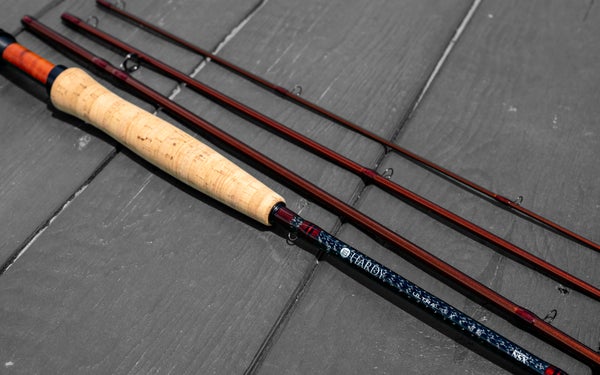
If you’re going to drop nearly $1,000 dollars on a fly rod, you want to get something that looks nice enough to make your buddies jealous—and the Hardy Ultralite X will. It was easily my favorite-looking rod of the entire test. The rod’s burnt copper coloring makes it stand out while maintaining a classic aesthetic.
The rod performs nicely, too. It’s light and throws tight loops at distance without a ton of effort, which will save your arm on long days on the water. Given its light construction, it’s no surprise that I enjoyed casting small dries with the rod compared to nymphing and streamer rigs. That said, the Ultralite X is plenty versatile for most setups you’d ever utilize on a trout stream, making it a decent choice as a do-it-all rod.
Compared to other fast-action rods at the same price point, the Ultralite’s power didn’t stand out. The rod has a decent backbone but wasn’t the “rocket” I had hoped it would be. The rod also lacks much feel or control, which soundly bumped the Ultralite X out of contention for the top prize in our test. —S.M.
Maine Fly Rod Co. Kennebec
Specs
- Length: 9 feet
- Line Weight: 5
- Action: Moderate-fast
- Pieces: 4
- Warranty: 5-Year
Pros
- Strong backbone to throw big flies
- Handmade in the U.S.A.
Cons
- Heavy and bulky for a 5-weight
Test Panel Notes
- “A pretty solid caster, but not my cup of tea aesthetically.” —D.H.
- “I just couldn’t get comfortable with this rod. It feels bulky. And there is too much going on with the looks.” —C.K.
The Kennebec wasn’t exactly a standout rod of our test, but it was still a solid performer. It has the feel of a custom rod—hand-wrapped threads, cork-burned logo, and personalization options—without the expensive price tag.
I could cast the Kennebec on the lawn farther than most of the other rods in the test, consistently reaching out to 75 feet and beyond. Although bulky, this medium-fast-action rod loads well and throws good loops. I enjoyed casting it, but the weight quickly tired me out.
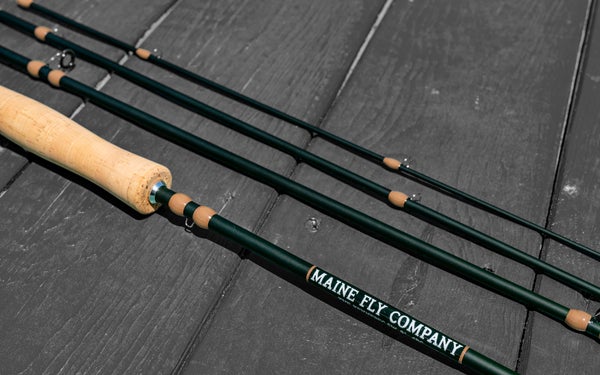
I like the aesthetics of this rod, even though some of the other editors disagreed. I think the pine-green matte finish paired with the burnt orange wraps gives this rod an authentic New England feel—where the rod was built. I also appreciated the comfortable full-well handle and wooded reel seat with a gunmetal finish.
The Delaware is a technical dry-fly river. While this rod can certainly deliver a dry fly and catch fish doing so, the bulkiness and weight of the rod aren’t ideal for this style of fishing. It wasn’t until I tied on a streamer that I found out what this rod could do. The strong backbone and power allow for better control and delivery of heavier flies. Since our test, I’ve taken the Kennebec onto various rivers in Colorado, always rigged with a streamer. I’ve been able to bomb long, accurate casts in hard-to-reach places and have landed plenty of fish. —R.C.
Moonshine Vesper

Specs
- Length: 9 feet
- Line Weight: 5
- Action: Moderate-Fast
- Pieces: 4
- Warranty: Lifetime
Pros
- Light, accurate, and sensitive
- Bargain for the quality
Cons
- Not much backbone
Test Panel Notes
- “A fantastic rod at a great price. The Vesper excelled at distance and accuracy for me, and it looks sharp, too.” —C.K.
- “If it weren’t for the Orvis Clearwater, this would have won Best Value. It’s a lot of rod for the money.” —D.H.
The Moonshine Vesper was one of my favorite rods of the entire test. Simply put, this is a high-end fly rod at half the price of its premium competitors. It loads and shoots fly line easily, and the well-balanced construction makes it an extremely versatile fly rod.
I received our Moonshine Vesper test rod in early April and had the entire spring to fish with it. What stood out to me was how easily I could switch from nymphs to dry flies to streamers without missing a beat. Not many rods have that versatility, but the Vesper proved to be a do-it-all trout rod.
On the casting lawn at our test, no one had a bad thing to say about the Vesper. I was impressed with its accuracy as I made a long cast on target and followed it up with a short, precise roll cast. We also used the Vesper in many of our blind casting comparisons, where testers favored it over several premium rods.
On the water, roll casting with the Vesper was easy with a simple flick of the wrist. It gave subtle presentations that helped land fish on top. Everyone agreed the Vesper had an extremely comfortable and unique feel, made possible by its grip and perfectly balanced blank.
This rod isn’t missing anything in the aesthetics category, either. It has a modern-classic look, with a perfect blend of traditional elements paired with a stylish slate and copper color scheme. And Moonshine is the only fly-rod company I know of that gives you an extra tip for free with your initial purchase (because we all break rods). But even if you break both tips, their no-fault lifetime warranty means you can always get a replacement. —R.C.
Orvis Helios 3 Blackout
Specs
- Length: 9 feet, 5 inches
- Line Weight: 5
- Action: Fast
- Pieces: 4
- Warranty: 25-Year
Pros
- Very accurate
- Loads well and casts far
- Well balanced
Cons
- Expensive
- Ugly
Test Panel Notes
- “This is a great fly rod. But somehow they made the ugliest rod—the original Helios—even uglier. It’s a shame.” —C.K.
- “It’s a nice rod that does everything pretty well—but nothing about it blows me away.” —D.H.
The Helios 3 Blackout missed in looks, but not in performance. This rod can put a fly anywhere you want it—whether that’s 85 feet under hanging limbs or 20 feet away to a close riser. The improved tracking technology allows this rod to consistently deliver accurate casts.
For some of the testers, the Helios 3 Blackout was a bit of a head-scratcher. Everyone agreed that it’s a solid fly rod—but we all struggled to find features in this rod, besides accuracy, that made it stand out from the other premium rods in our test.
If you spend most of your time on the water nymphing, this might be the rod for you. I appreciated the 9-foot, 5-inch design which gives you an advantage when mending line, compared to a traditional 9-foot rod, for drag-free presentations. I found that the Helios 3 also did a great job at throwing streamers and dry flies. It had enough backbone to get articulated flies a good distance without sacrificing accuracy. I was confident in my dry-fly presentations. The rod allowed me to lay the fly on the water right where I needed it to be.
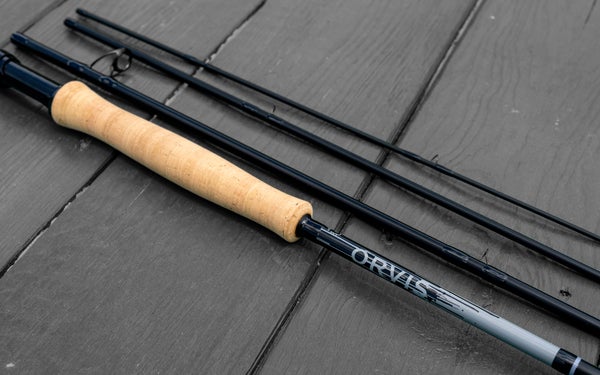
Of course, looks do matter in a fly rod, and there’s no getting around it: The Helios 3 Blackout is ugly. None of us were fans of the all-black design with the gray graphic above the handle, which one of the testers described as “hideous.” But if you can look past the aesthetics of the Helios 3 Blackout, you will find a versatile and accurate fly rod that will excel at any style of trout fishing you enjoy. —R.C.
Redington Trace
Specs
- Length: 9 feet
- Line Weight: 5
- Action: Medium-fast
- Pieces: 4
- Warranty: Lifetime
Pros
- Casts well for distance
- Quality rod for the price
Cons
- Slow to load line
Test Panel Notes
- “Great-looking rod. Love the color. A tad heavy, a tad mushy, but a pretty solid caster with decent distance for the money.” —D.H.
- “Love the classic ‘trout stream’ look and design of this rod. For the price and warranty, this is a good rod for beginner and intermediate anglers.” —C.K.
The Trace is Redington’s take on a do-it-all fly rod. Does it live up to that standard? Mostly. The medium-fast action blank does a terrific job at picking up line and shooting long casts. The rod mends well, and the improved tracking helps deliver accurate casts. It can fish nymphs, dry flies, and streamers, no problem. Now, is it the best fly rod for any of those techniques in particular? Nope. But for the price, it’s a damn good rod.
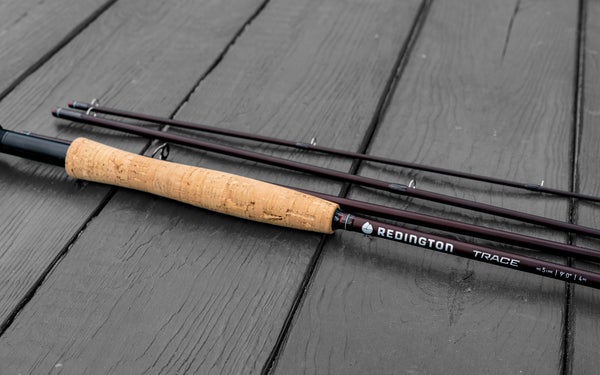
The Trace has a classic mahogany finish paired with a wood reel seat that makes for a good-looking rod. I was able to cast out to 70 feet with ease (something that usually isn’t easy for me) and could even hit the 80-foot mark at times. The strong backbone makes it easy to turn over big flies and serves well when fighting fish in the current. The power takes away some sensitivity up front, but the Trace is still plenty capable of nymphing and throwing dry flies.
The rod took a bit longer to load on the casting lawn, but that’s to be expected with the medium-fast action rod. All of us were impressed with the Trace and agreed that it’s an ideal rod for a beginner angler or someone looking to make that next step in fly fishing. While heavy for a 5-weight, the extra power gives you an advantage in windy conditions.
This rod comes in slightly over the price I usually recommend for beginners. But given its versatility and lifetime warranty, there isn’t anyone I wouldn’t recommend this rod to—beginner or seasoned angler alike. —R.C.
Scott Centric
Specs
- Length: 9 feet
- Line Weight: 5
- Action: Fast
- Pieces: 4
- Warranty: Original-owner lifetime
Pros
- Easy to cast
- Surprising distance
- Responsive tip for roll casting and mending
Cons
- Not quite as accurate at short range
Test Panel Notes
- “Damn, this is one sweet fly rod. It’s powerful, but easy to control, and line just rockets out of the guides. I’ve caught fish with the Centric on big rivers and small creeks. It aced both tests.” —C.K.
- “This rod is a work of art.” —S.M.
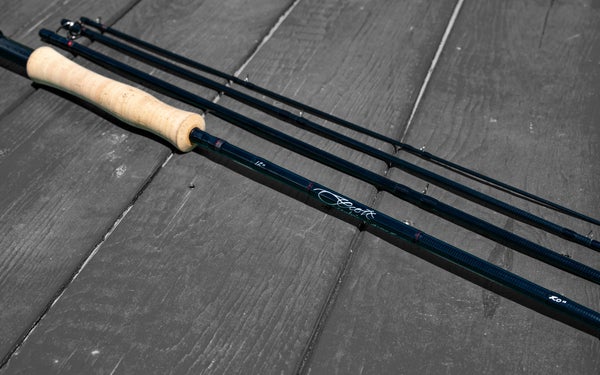
If you told me that you like the Centric better than the Sage R8 Core, I’d disagree but wouldn’t argue. It was the Centric we were leaning toward after the first lawn-casting session, and it might have won the whole shebang had we ended things there. Of all the pure casters, this rod was the purest.
I was on the far end of the casting line, and as the Centric was being passed down, I could actually hear it coming—with all the oohs and oh-my-gods. Unlike the ultra-fast Radian model it replaced, the Centric is a fast-action rod with tremendous feel and control. It throws consistent, flat loops almost by default, and the job of opening or closing those loops—to cast nymphs or to fire a long cast—requires not much more than a thought. The rod’s responsive tip makes for easy roll casting and mending, too, and the Centric was superbly accurate at medium and long ranges.
You don’t expect a rod with this much feel to go long, but the Centric surprised us. It’s not the rifle that the Radian was but casting the whole fly line with a few false casts was not a problem. Like the R8, the Centric is very good on the water. (We just felt the R8 was a fraction better.) Short-distance accuracy was good, but not great. Personally, I could take or leave the micarta reel-seat insert, but, all in all, it’s a great-looking rod with high-end components. Ultimately, the R8 nipped the Centric in our test, but if the No. 1 thing you want from a fly rod is the pleasure of throwing perfect loops, cast after cast, I’d say get this one. —D.H.
St. Croix Imperial
Specs
- Length: 9 feet
- Line Weight: 5
- Action: Fast
- Pieces: 4
- Warranty: 15-Year
Pros
- Great price
- Very good beginner rod
- Made in the U.S.A.
Cons
- Lacks feel and control
Test Panel Notes
- “It had some nice oomph to it and was one of the better all-around budget rods.” —S.M.
- “The Imperial was one of my favorite budget rods of the entire test. Plus, I loved the handle and reel seat.” —R.C.
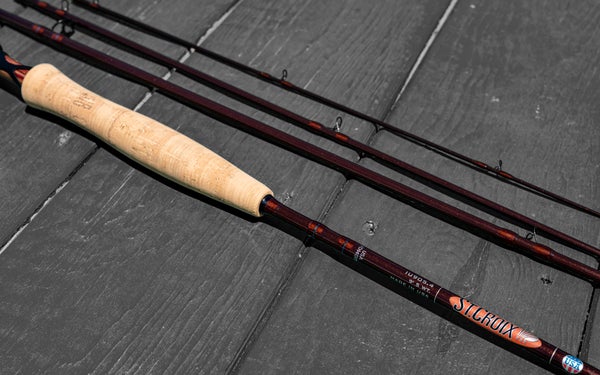
Of all the rods in the test, the Imperial was one that I was really excited to fish. Back when I first started fly fishing (20-plus years ago—but who’s counting), a St. Croix Imperial was the first rod I ever owned. Even though it’s been ages since I last cast an Imperial (years ago, I gifted mine as a hand-me-down to a friend who was just getting into fishing), it didn’t take me long to find a comfortable casting rhythm with our test model.
There’s no getting around the fact that the Imperial is a fast-action rod—so fast, in fact, that it can feel quite stiff. Compared to a couple of the other value rods in our test, the Imperial didn’t offer much in terms of feel or control. But the rod has power, and it’s light enough that you can cast it all day without tiring out your arm. This is a versatile rod, too. On trout water, it’ll cast dries, nymphs beneath an indicator, or small streamers. It’s also perfectly suited for catching panfish and small bass on farm ponds or creeks.
And at this price, you’ll have a hard time finding a nicer-looking rod. I’ve always loved the copper color of the Imperial’s blank, and the wooden insert on the reel seat is pure class. —C.K.
St. Croix Mojo Trout
Specs
- Length: 8 ½ feet
- Line Weight: 5
- Action: Medium-Fast
- Pieces: 4
- Warranty: 5-Year
Pros
- Smooth-casting rod with great feel
- Great value
Cons
- Ugly
Test Panel Notes
- “A softer rod with lots of feel and decent distance, too” —D.H.
- “This would be a fun rod for small water—if you can get over the cheesy logo.” —S.M.
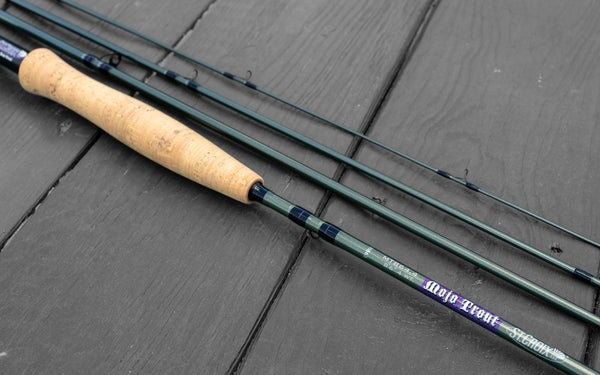
Let’s get this out of the way: The purple “Mojo Trout” logo on this rod looks god-awful. One tester went so far as to say if this were his rod, he would “lightly sand the logo until it disappeared.” Beyond that, the the Mojo Trout is a pretty fine-looking rod. And, man, is it fun to cast.
I’ve fished with a lot of St. Croix rods over the years, but the Mojo Trout was brand-new to me. When I first picked it up on the casting lawn, I was surprised, and delighted, by how smooth it was. The rod has a great feel to it, and it throws tight and controlled loops. We were all impressed with its ability to cast long distances. Though, to be clear, this isn’t the kind of stick you’d want if you need to cast farther than 35 or 40 feet. This is a fly rod that excels on smaller, technical waters where you need to make accurate and delicate presentations.
Even though “Trout” is literally in the name of this rod, it would be absolutely perfect for panfish. Yet another reason to sand off the logo. —C.K.
Temple Fork Outfitters Blue Ribbon
Specs
- Length: 9 feet, 5 inches
- Line Weight: 5
- Action: Medium-fast
- Pieces: 4
- Warranty: Lifetime
Pros
- Great value
- Loads and casts smoothly
Cons
- Not much power
Test Panel Notes
- “Nice looking rod at a fair price. Great for beginners.” —C.K.
- “It’s stiff and casts well with a nice aesthetic for the price point.” —S.M.
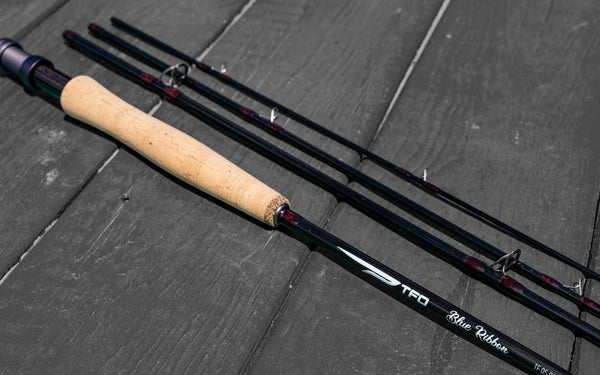
My roommate just started fly fishing, and I recommended the TFO Blue Ribbon as her first rod. She has improved dramatically over the summer and is catching a ton of trout every time we go out. If that isn’t a confirmation that the Blue Ribbon is a great beginner rod, I don’t know what is.
This medium-fast action is ideal for new anglers learning to cast. The slower action helps the rod load effortlessly, giving the angler time to focus on where they’re casting. I found this rod to be easy to cast and comfortable in hand. I caught plenty of fish on the Blue Ribbon in my post-test trials on double-nymph rigs, dry flies, and streamers—proving the versatility of this rod.
The carbon-fiber blank is paired with stainless-steel guides and a premium cork grip to make for great durability. I did find that I couldn’t cast very far with this stick. But what it lacked in distance, the Blue Ribbon made up for it in consistency, versatility, and durability. It was also the cheapest rod in our test. Paired with TFO’s lifetime warranty, it is one of the best values you can find. —R.C.
Temple Fork Outfitters LK Legacy
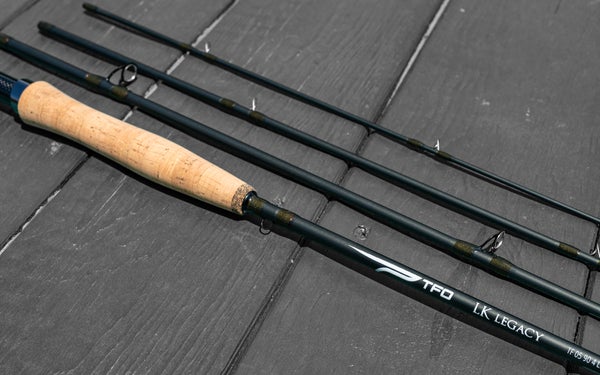
Specs
- Length: 9 feet, 5 inches
- Line Weight: 5
- Action: Fast
- Pieces: 4
- Warranty: No-fault lifetime
Pros
- Durable carbon-fiber rod blank
- Budget-friendly
Cons
- Not good at casting for distance
Test Panel Notes
- “Dead in the hand” is what you want in a compound bow, not a fly rod. —D.H.
- Nothing special. —S.M.
While not outstanding in any single category, the TFO LK Legacy still performed well enough to earn my nod of approval for a solid trout rod. The fast action and smooth casting ability make this a good option for intermediate anglers. It didn’t compete with the higher-end rods, but for the price, it performed admirably.
On the casting lawn, I struggled to get distance out of the LK Legacy, but it was accurate with short casts. The carbon-fiber blank paired with stainless-steel guides and a full-anodized reel seat make this an extremely durable fly rod. It is ideal for anglers looking to have one rod to fish a variety of techniques. Nymphing was where this rod shined for me. I was impressed with the rod’s ability to roll cast, mend, and manage line. It took little to no effort to roll cast my double-nymph rig over and over. Something that I can’t say for all the rods in the test.
The rod isn’t the most balanced, and experienced anglers that are used to light fly rods might struggle at first with the LK Legacy. It felt bulky casting dry flies to trout in hard-to-reach places. I’m not sure if this was because of the weight of the rod or how it was balanced. But either way, I got tired.
The aesthetics of this rod are not notable. It has a clean look and a standard modern design. It was one of the least expensive rods in our test and, for the price, it is hard to beat. TFO also offers a no-fault lifetime warranty on all of their rods, so even if something goes wrong, you’ll have a replacement in no time. —R.C.
Thomas & Thomas Paradigm
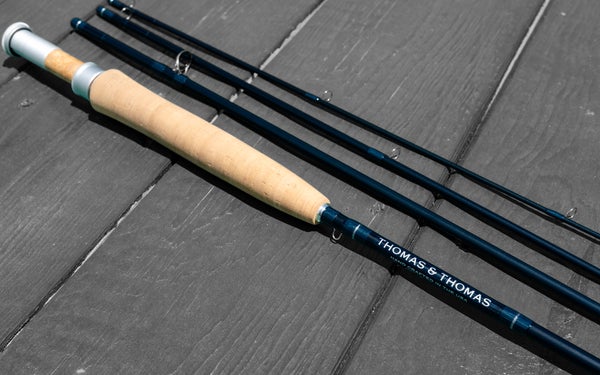
Specs
- Length: 9 feet
- Line Weight: 5
- Action: Medium
- Pieces: 4
- Warranty: Lifetime
Pros
- Drop-dead gorgeous
- Handmade quality
Cons
- Expensive
Test Panel Notes
- “This was just a delight to use. For as light and gentle as this rod is, it’s almost sneaky how powerful it can be.” —C.K.
- A joy to cast. Light and lively with tons of feel.” —D.H.
If you want a cold, efficient tool with no aesthetic qualities, look someplace else. Good looks are a big part of the Thomas & Thomas Paradigm’s appeal. But the rod doesn’t lack in performance. It just performs with style, like a vintage sports car.
My first impression of the Paradigm was that I could cast it all day long. And I did. During our distance test, I kept taking the Paradigm away from other testers for “just one more cast.” After that, we took the rods on the water, and I hogged this one for nearly the whole afternoon. I couldn’t take my hands off the Paradigm.
Compared to so many of today’s fast-action rods, this one just felt different. Thomas & Thomas says that the rod has a “classic” action close to the original (and much celebrated) Paradigm of 20 years ago. I found it to be slow to moderate, and definitely not dull or sluggish. One of the testers noted that “time seemed to slow down” when casting the Paradigm, and I couldn’t agree more.
Most important, though, is that the smooth action of this rod lends itself to delicate, accurate dry-fly presentations. On the West Branch of the Delaware River, you may only get one chance at a rising trout. I strike out more often than not there, but I felt confident with the Paradigm and was able to hook a couple of fish. In close quarters, the Paradigm was extremely controllable, yet it still had enough power to reach out to far away cut banks and pools with accuracy. —M.E.



What to Consider When Choosing a Fly Rod
Selecting a fly rod for trout fishing is not as simple as picking up the first 5-weight rod you see in a fly shop and giving it the “wiggle test.” You need to think about your experience level, how you fish, where you fish, and what you need your rod to do. A trout angler who fishes big rivers in the West will want a different style rod than a trout angler who mostly fishes small streams or spring creeks. Fishing style and technique also play a major role in determining what fly rod best suits the situation. Here are four main considerations before buying the best fly rod for you.
Materials
The two most common materials used to make fly rods are graphite (carbon fiber) and fiberglass. Fly rods with graphite blanks are the most popular because they’re easy to cast and lightweight. The majority of the rods we tested are made of graphite, and it’s the material we recommend for beginner anglers looking to purchase their first fly rod.
Fiberglass, or “glass rods,” as they’re often referred to, are more durable, flexible, and heavier than graphite blanks. The first thing anglers will notice when picking up a glass rod is the flexibility and sensitivity. Glass rods load much slower, which can often be an issue for anglers who are used to faster-action rods. The increased sensitivity, however, makes glass rods ideal for small fish in creeks and streams.
Length
The length of your rod is going to be a determining factor in how you fish. The standard length for a traditional trout fly rod is 9 feet. A 9-foot rod offers versatility to fish nymphs, dry flies, and streamers. We recommend a 9-foot, 5-weight rod to beginners. From there, you can tailor the length of your rod to specific techniques and situations. A shorter fly rod is ideal for small streams where there tends to be a lot of overhanging brush and foliage. Longer rod blanks excel at nymphing because it gives anglers the advantage of a making drag-free presentation and mending more easily. The length of typical trout fly rods ranges from 8 feet 6 inches to 9 feet 5 inches. Anything shorter or longer is most likely for specific fishing styles and techniques.
Action
The action of a fly rod determines how fast or slow it loads. In simpler terms, the slower the action, the longer it will take for the fly line to reach its full length on a backcast. Most modern fly rods—including the majority of the rods in our test—are designed with a medium-fast or fast action. A fast action helps cast through stiff wind but isn’t ideal for beginners. Experienced anglers are more likely to use fast-action rods due to their strong backbone and ability to load quickly. We recommend beginners start with a medium or medium-fast action. This creates more time for anglers to get a feel for false casting and forces them to slow down their casting enough so they can focus on making a good presentation.
Technique
Your style of fishing is the most important consideration when buying a fly rod. Do you want something that can do it all? Are you fishing in small streams or big water? Are you throwing heavy flies? The answers to these questions will help you determine the best fly rod for your style. The three main techniques to fly fishing for trout are nymphing, dry-fly fishing, and streamer fishing. Nymphing requires you to manage line and present flies with as little drag as possible. Longer rods increase line control and help lessen drag with techniques, such as “high sticking” or Euro nymphing. Dry flies require subtle presentations and mending to present the bug as naturally as possible to trout. Most 9-foot rods offer enough length to make long casts and manage line well for dry flies. Streamer fishing often requires throwing large and heavy flies. A fast-action rod with a strong backbone will excel at handling heavier fly patterns. You sacrifice some sensitivity with some fast-action rods, but that’s not the end of the world—because there’s nothing sensitive about a trout striking a streamer.
FAQs
Q: What length fly rod should I get?
The most common length for a fly rod is 9 feet. That said, you should base the length of your rod on your style of trout fishing. If you plan to do a lot of high-sticking, then a 9-foot 5-inch or 10-foot rod will benefit you the most. If you fish small streams and mountain creeks, you’ll want a shorter rod to contend with overhanging brush. But if you’re looking for a general-purpose fly rod for trout, your best bet is to buy a 9-foot 5-weight.
Q: How much should I spend on a fly rod?
If our fly rod test taught us anything it’s that expensive doesn’t always mean better. The Orvis Clearwater retails for $250 and it beat out multiple premium rods valued at over $900. You don’t need to spend a fortune to get a quality fly rod that is capable of catching trout. There of plenty of lower-priced rods that will get the job done, including the Orvis Clearwater, TFO Blue Ribbon, and the Redington Trace. That being said, premium rods are expensive for a reason. Our best overall pick, the Sage R8 Core, retails for $1,050. We all agreed it was one of the smoothest, most-balanced rods we’ve ever cast. It has great power, feel, accuracy, and line control. Is it worth over $1,000? We think so, especially for experienced anglers who will appreciate its versatility and design.
Q: What is the best fly rod for a beginner?
The best beginner fly rod doesn’t mean the cheapest fly rod. A well-built rod that you can grow with and fish for years is a great investment. So, don’t automatically turn to the price tag to make your decision. Instead, look for a medium-fast-action rod in the 9-foot range. This will help cut down the casting learning curve by slowing down your backcast and allowing the rod to do the work. A medium0fast action rod forces you to take your time and focus on your casting technique.
Best Fly Rods: Final Thoughts
Best Fly Rods
- Best Overall: Sage R8 Core
- Best Value: Orvis Clearwater
- Best Small Stream Fly Rod: Epic Reference 476 Fastglass
The Rest of the Best Fly Rods
- Epic Reference 590G Carbon Fiber
- G. Loomis NRX+Fly
- Hardy Ultralite X
- Maine Fly Rod Co. Kennebec
- Moonshine Vesper
- Orvis Helios 3 Blackout
- Redington Trace
- Scott Centric
- St. Croix Imperial
- St. Croix Mojo Trout
- Temple Fork Outfitters Blue Ribbon
- Temple Fork Outfitters LK Legacy
- Thomas & Thomas Paradigm
After a long weekend of casting and fishing and debating…followed by more casting and more fishing, we came away from our fly-rod test certain of at least two things:
- You don’t have to spend a fortune to own a truly great fly rod.
- The innovation in today’s best fly rods is more impressive than ever.
If you’re a diehard fly angler who simply wants the best of the best, our vote goes to the Sage R8 Core. It’s a stunning fly rod that does everything well, which is why it won our Editors’ Pick Award—barely. The Scott Centric, G. Loomis NRX+, and Thomas & Thomas Paradigm all finished near the top. These are all truly premium fly rods that make casting a breeze. When it comes to the best fly rod for the money, however, it’s no contest: The Orvis Clearwater outperformed fly rods that cost more than three times as much. Lastly, if you’re looking for a specialty trout rod—specifically one suited to smaller, technical streams—look no further than the Epic Reference 476 Fastglass. It’ll take a week or so for the rod to arrive at your door all the way from New Zealand, but once you hook into a trout with that whip-stick, it’ll be well worth the wait.
Why Trust Us
For more than 125 years, Field & Stream has been providing readers with honest and authentic coverage of outdoor gear. Our writers and editors eat, sleep, and breathe the outdoors, and that passion comes through in our product reviews. You can count on F&S to keep you up to date on the best new gear. And when we write about a product—whether it’s a bass lure or a backpack—we cover the good and the bad, so you know exactly what to expect before you decide to make a purchase.


