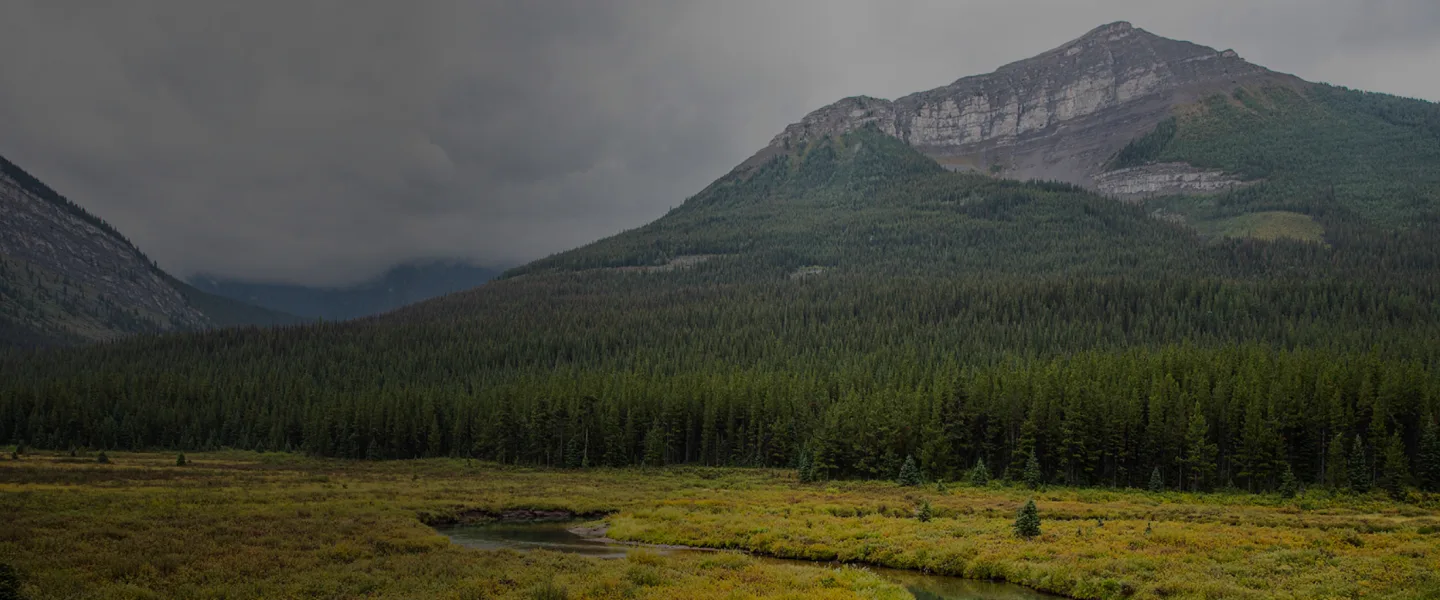
Eager to startflyfishing New York's Croton River, Jay Cassell hiked a half mile to the wateron a cloudless spring day. Four hours and the same number of brown trout later,he trekked back to his car, reenergized by his midweek brush with nature. ButCassell, FIELD & STREAM deputy editor and a lifelong outdoorsman, had noidea how devastating this encounter would prove to be.
"Within 24hours," he recalls, "blisters had broken out all over my face and arms,even between my fingers. My eyelids were so swollen I couldn't see. My lipswere so bad I had to drink liquid food through a straw. I looked like apunching bag for George Foreman."
At the ER, adoctor gave him a cortisone shot to begin counteracting his extreme allergicreaction. Despite this, Cassell couldn't work for a week and devoted all hiswaking hours to soaking the maddening lesions in an oatmeal bath as hot as hecould stand it. It was two weeks before he felt normal again.
Some 60 differentspecies of poisonous plants, or toxicodendron, pose a risk in North America.The most common are poison ivy, poison oak, and poison sumac. Though a smallhandful of people appear to have natural immunity, the majority of us—85percent or more—can count on an unpleasant reaction after exposure to urushiol,the culprit sap produced by these plants. For Cassell and other extremelysensitive people (an estimated 10 to 15 percent of the population), as littleas 50 micrograms (less than a grain of salt) can precipitate a fortnight oftorture.
PREVENT IT
The best defenseagainst poison plants is limiting your exposure in the first place, but evenexperts have trouble identifying such a ubiquitous enemy. "I've written abook chapter on toxicodendron and emergency medicine," says Dr. StevenStephanides, an ER doc and peer reviewer for the Wilderness Medical Society'sjournal. "I still got poison ivy last summer."
Stephanidesrecommends the following strategies to reduce exposure:
• Don't rely onthe "leaves of three, let it be" rule. Poison plants can vary greatly in appearance between different geographicalregions and depending on the time of year. Leaves differ in color and size, andidentification can be especially tricky in the fall. Ask a local guide to showyou exactly what you need to stay away from.
• Dress right. Wear long pants and socks whenever you're hiking in poison-plant territory.
• Avoid secondaryexposure. Urushiol is a fiendishly stubborn compound that reportedly can stay potent foryears. Once the resin has contaminated your fishing gear, clothes, or even yourdog, it can be transferred to you. Wash or hose down any potential sources ofcontamination.
• Don't burnbrush. Some of the nastiest run-ins with poison plants occur when urushiol becomesairborne in smoke, allowing it to penetrate the eyes and lungs. "This israre," says Stephanides, "but it can be life-threatening. You've onlygot one airway. If you get too many blisters there, it makes breathingdifficult."
• Lather up. Apply products like IvyBlock on any uncovered skin. This may provideprotection, as long as you reapply if you sweat.
TREAT IT
If avoidancefails, treatment can range from over-the-counter products to a trip to thedoctor for steroids. It all depends on the severity of your symptoms.
• Start withwater. Your efforts at lessening the effects of contact with a poisonous plant canstart in the field. Urushiol appears to require 10 to 20 minutes to penetratedeep inside the skin. Soap is helpful, but water, especially if applied within20 minutes of exposure, can usually prevent a bad reaction. Jumping in a streamand washing the stuff off will help.
• Try the oldstandards. If a rash still develops, use an itch-stopping agent like calamine lotion,which can also help keep scratched skin from becoming infected. Calamine issometimes sold blended with an antihistamine similar to that found in productslike Benadryl, which could also lessen the effects of the allergic reaction.But don't just take whatever treatments you can get your hands on. "Everynow and then," says Stephanides, "we see a patient who lathers himselfup with calamine, then takes a high dose of Benadryl orally, and ends up havinga toxic reaction from this combination."
• Take a bath. Soaking in hot water can also reduce itching, possibly by triggering therelease of natural antihistamines or by interrupting nerve transmissionpathways from the skin to the brain. If your rash develops into weepingblisters, and either Burrow's solution or Aveeno oatmeal bath treatment to thewater. Another OTC product, aluminum acetate, can be used in compresses to dryout the lesions. But the belief that touching the blisters will spread poisonivy around the body is a myth.
• Get somehelp. See a doctor at the first sign of a severe reaction (nausea, stomach cramps, orexposure of sensitive body parts like the eyes, groin, or lungs). Stephanideshas twice had to treat anglers who got into severe trouble after using poisonivy leaves as toilet paper.
• Pop a pill. The gold-standard treatment for severe cases is prednisone, a prescription formof cortisone. If your doctor prescribes these pills, make sure to take theentire course, or the worst symptoms may bounce back. "Once urushiol haspenetrated deep inside your skin," says Stephanides, "it takes a weekor longer for your immune system to eliminate it."
• Grow older. There's evidence that the aging process reduces sensitivity to poisonplants.
For his part,Cassell says he has become both older and wiser when it comes to toxicodendron."It's sunk in that I need to be extremely careful. If there are poisonplants by a stream and it's a good stream, I'm still going to fish it. But I'llmake sure I don't touch a damn thing."
RUB IT IN
A variety of barrier creams offer new hope to outdoorlovers. Do they work? Several studies, including one at Duke University, foundthat the answer is yes—in a lab. A few new products rated as having "goodefficacy" include IvyBlock, Hollister Moisture Barrier, Stokogard, andHydropel IV Block. But Stephanides says that no one has studied them in thefield. "These creams probably work somewhat, but there's no perfectsolution to poison plants." Of these, you might want to try IvyBlock, theonly one that is FDA-approved. It retails for about $15 at most pharmacies. —JIM THORNTON
Comments (8)
Many years ago you had an article about a rash on the hands that you get from (I Believe) the water you fish in. This rash causes the skin on your hands to peel off. Just one layer. The how and whys of it were in this article. I cannot find any info on this. I would like to prevent this in the future. Help.
Thanks
The best natural and free solution to poison Ivy often grows within 20 feet of where you find the ivy. Jewelweed or wild Touch me not is a reletive of Impatiens (the houseplant) and grows wild throughout much of the east. It is also known as wild American Aloes though it looks nothing like an Aloe. Like Aloes you crush the plant and put the juice on the lesion, soothing relief and Free! The plant is also good for bug bites, burns (including sunburn) and is eaten as a potherb in the spring. A little knowledge is the key to the wild!
good knowledge to put away for later recalling
im only 12 its happened to me, same severity, three times now
Just mentioning the names( poison oak,poison ivy) causes high anxiety for me, I'm so highly allergic to the stuff. One of the best products I've found on the market is TECNU. I've tried every product made (and some homemade remedies)and short of a syringe of cortisone, Tecnu works very well for me. Follow directions as stated and I do believe you'll be satisfied with the products results.
yeah Jewelweed and touch me not do work and pretty good too.
As a veteran of the poison ivy wars, here's what i do. (By the way, i'm not a medical professional). After you have it, and the watery bumps have arrived. Scratch the hell out of it. The thing that affects you is the urishol oil of the plant. Get it out of your skin. Then soak it in as hot of water as you can stand. Next pour hydrogen peroxide on it to clean out. Then (if you can stand it) rubbing alcohol. It will both clean and help dry out the sores. Then get some benadryl cream. Rub it on. Then cover with caladyrl (a form of calamine lotion). Then I take some over the counter dyphenhydramin (benadryl), and then zantac 75, which is an H2 blocker (H2 is what carries the allergic reaction). Once again I am not a medical professional, and this is just what i do.
When I was a young buck In The Marine Corps' (School of Infabtry), A. Co. SOI, we went through about an acre of poison oak/ivy! About 4 of us got bed rest for about a week, walking around the barracks almost butt naked. Calamine Lotion from head to toe, and in between if you know what I mean, and Injections for me being the worst of the others. No A/C I wanted to die that week. Semper Fi
Post a Comment
The best natural and free solution to poison Ivy often grows within 20 feet of where you find the ivy. Jewelweed or wild Touch me not is a reletive of Impatiens (the houseplant) and grows wild throughout much of the east. It is also known as wild American Aloes though it looks nothing like an Aloe. Like Aloes you crush the plant and put the juice on the lesion, soothing relief and Free! The plant is also good for bug bites, burns (including sunburn) and is eaten as a potherb in the spring. A little knowledge is the key to the wild!
im only 12 its happened to me, same severity, three times now
Many years ago you had an article about a rash on the hands that you get from (I Believe) the water you fish in. This rash causes the skin on your hands to peel off. Just one layer. The how and whys of it were in this article. I cannot find any info on this. I would like to prevent this in the future. Help.
Thanks
good knowledge to put away for later recalling
Just mentioning the names( poison oak,poison ivy) causes high anxiety for me, I'm so highly allergic to the stuff. One of the best products I've found on the market is TECNU. I've tried every product made (and some homemade remedies)and short of a syringe of cortisone, Tecnu works very well for me. Follow directions as stated and I do believe you'll be satisfied with the products results.
yeah Jewelweed and touch me not do work and pretty good too.
As a veteran of the poison ivy wars, here's what i do. (By the way, i'm not a medical professional). After you have it, and the watery bumps have arrived. Scratch the hell out of it. The thing that affects you is the urishol oil of the plant. Get it out of your skin. Then soak it in as hot of water as you can stand. Next pour hydrogen peroxide on it to clean out. Then (if you can stand it) rubbing alcohol. It will both clean and help dry out the sores. Then get some benadryl cream. Rub it on. Then cover with caladyrl (a form of calamine lotion). Then I take some over the counter dyphenhydramin (benadryl), and then zantac 75, which is an H2 blocker (H2 is what carries the allergic reaction). Once again I am not a medical professional, and this is just what i do.
When I was a young buck In The Marine Corps' (School of Infabtry), A. Co. SOI, we went through about an acre of poison oak/ivy! About 4 of us got bed rest for about a week, walking around the barracks almost butt naked. Calamine Lotion from head to toe, and in between if you know what I mean, and Injections for me being the worst of the others. No A/C I wanted to die that week. Semper Fi
Post a Comment