I surrendered all doubt in Kansas on the sixth day of December 2007. I’d been sitting in a tree stand since the first of the month, waiting for one of the state’s brute whitetails to show up. But it was so warm that deer were hardly moving.
Something’s happening, I thought. This climate-change stuff is for real and it’s loused up my season.
Of course, I’d been through warm spells during past hunts and in different locales, but 2007 was the worst I’d seen in 40 years as a sportsman. As I sat there in my tree stand, the facts as I knew them began to spin in my brain: The preponderance of scientists now agreed that climate change was real and accelerating at an alarming rate. Ice-core samples had proved that carbon dioxide levels on Earth were the highest they’d been in 650,000 years. With three weeks to go, 2007 was on course to be the second hottest year since 1880.
At 6,000 feet in southwest Montana, where I live, the summer had been blistering. Six days were hotter than 103 degrees, 13 were above 100, and more than 30 held in the 90s. July was the hottest month on record. The state’s Fish, Wildlife and Parks department reacted quickly, putting restrictions on many of Montana’s well-known trout streams.
Two weeks later there was a big trout die-off on the Firehole River in Yellowstone Park. The forests of the northern Rockies soon dried to tinder and dry lightning exploded them. Millions of acres of habitat burned. The air was filled with smoke and soot from Oregon to South Dakota.
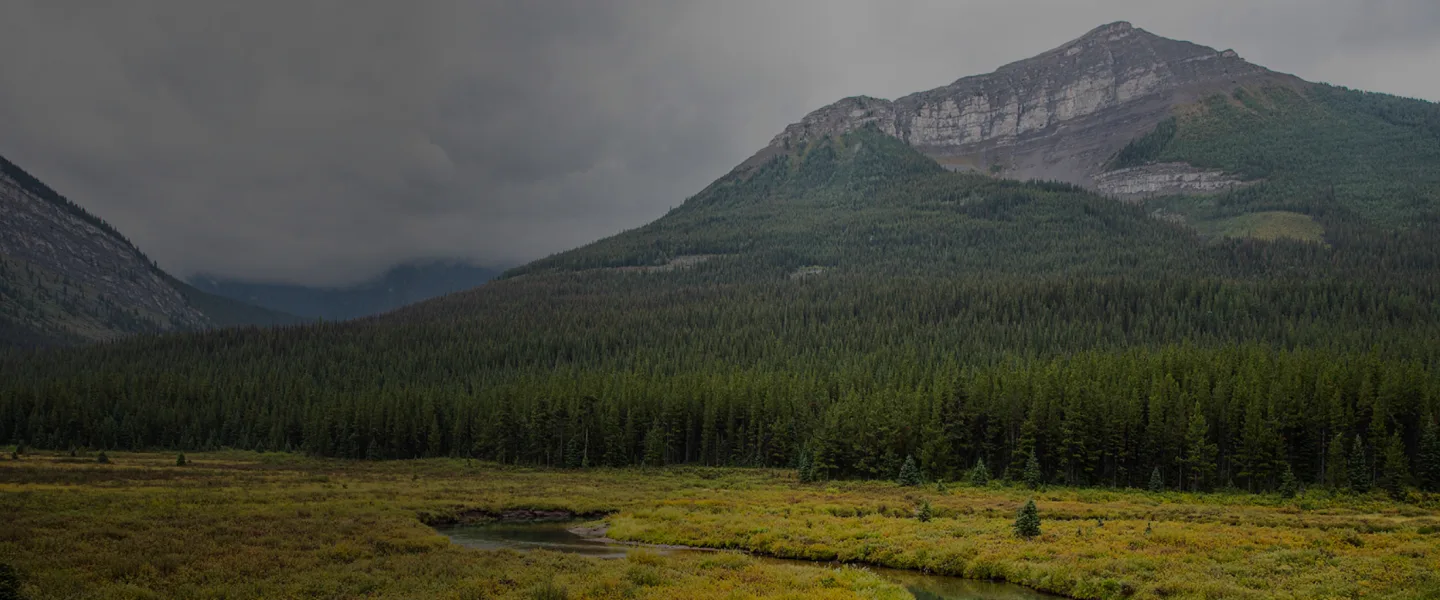
My hunting season began the third week of September under smoky skies in the Missouri Breaks. It can be hot in the Breaks early in the month, but by the third week it’s usually crisp in the morning and mild at midday. I faced six straight days where the temperatures peaked in the 90s. Elk were holed up in the deepest cover they could find. Bulls, which should have been bugling past 10 a.m., quit singing right after dawn.
Montana’s rifle season opened on the third Sunday in October. It was cold the night before the opener, with snow flurries in the air. After a cool morning, the temperatures climbed into the 60s by midafternoon. By midweek they were in the 70s. I never saw a legal elk.
Those abnormally warm temperatures held far into November, with the elk kill way down. In an effort to increase the harvest totals, Montana made the unprecedented move of extending the season by two weeks.
Snow finally started to fall just before I left for Kansas. But sitting there in a T-shirt in my tree stand, I realized that I couldn’t possibly be the only sportsman going through this. I could talk to other sportsmen; find out what they’d experienced. And there had to be game biologists and other scientists who could explain to me what was happening, and what might happen to wildlife, fields, and streams as the Earth’s thermostat rises.
Comments (2)
First of all..I know there are certain people that are believe in global warming and some that dont so I dont want to offend the believers. But the proposal of "global warming" is that the earth will over a period of years, many years, increase in temperature...I dont know the exact fraction of a degree that the earth is increasing temperature at, but over a span of a couple hundred years the earth is supposibly only going to change aroudn 10 degrees in climate. This being said, how can global warming be a factor for unusual hot weather in certain parts of the world when the increase from year to year is so small? Keep in mind too that even though in some places there may be record high's occuring, other areas of the country have record low's occuring...the past two winters Ive had where I am from have all been unusually cold winters with excessive amounts of snow...how does the global warming concept explain this? I think people need to stop reading books that people are writing based souly on opinion and dig into the actual science of global warming..here you will see that earth goes through natural cycles every million or however many years where it starts to increase in temperature and that these periods usually occur at time frames before major ice ages...Ill stop rambling now..just my opinion..sorry if I offend anyone
BigWoodsHunter57 I agree totally! Dont worry about offending anybody with your beliefs thats the beauty of our first amendment!
Post a Comment
First of all..I know there are certain people that are believe in global warming and some that dont so I dont want to offend the believers. But the proposal of "global warming" is that the earth will over a period of years, many years, increase in temperature...I dont know the exact fraction of a degree that the earth is increasing temperature at, but over a span of a couple hundred years the earth is supposibly only going to change aroudn 10 degrees in climate. This being said, how can global warming be a factor for unusual hot weather in certain parts of the world when the increase from year to year is so small? Keep in mind too that even though in some places there may be record high's occuring, other areas of the country have record low's occuring...the past two winters Ive had where I am from have all been unusually cold winters with excessive amounts of snow...how does the global warming concept explain this? I think people need to stop reading books that people are writing based souly on opinion and dig into the actual science of global warming..here you will see that earth goes through natural cycles every million or however many years where it starts to increase in temperature and that these periods usually occur at time frames before major ice ages...Ill stop rambling now..just my opinion..sorry if I offend anyone
BigWoodsHunter57 I agree totally! Dont worry about offending anybody with your beliefs thats the beauty of our first amendment!
Post a Comment