June 01, 2010
Herring: Connecting the Gulf Disaster to the Pinedale Anticline
By Hal Herring
On June 4th, a judge in Washington, D.C. will hear the first arguments in a lawsuit brought against the U.S. Department of the Interior by the Theodore Roosevelt Conservation Partnership.
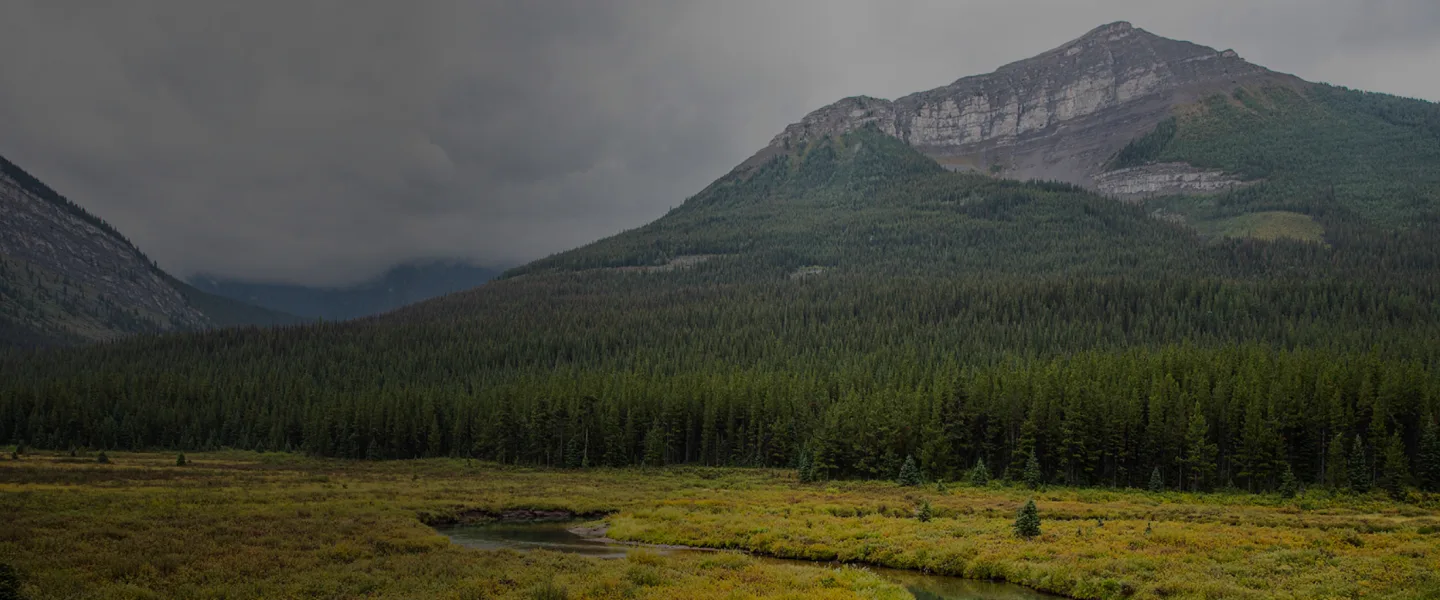
This lawsuit isn’t about failed blow-out preventers on oil wells but it is about the same unholy marriage of the energy industry and the federal agencies that are supposed to be regulating it, and the resulting sacrifice of wildlife and other public resources. Instead of the boundless blue Gulf, this disaster has unfolded, for years now, on the wind-swept Pinedale Anticline and other public lands in Wyoming, Colorado, and New Mexico, as federal agencies have permitted the energy industry to drill thousands of wells for natural gas, industrializing landscapes that were once prime winter range for antelope and mule deer, and other wildlife from sage grouse to a rare desert elk herd.
“Ever since 2000, these agencies, from the Bureau of Land Management (BLM) and the Mineral Management Services (MMS) to the entire Department of Interior, have ignored every concern except for energy development on the public lands that they are supposed to be managing,” said Dr. Rollin Sparrowe, a wildlife biologist with more than forty years experience, resident of Daniel, Wyoming, and a board member of the TRCP. “We’ve tried every way we could to try and settle this without going to court, but they simply do not respond, even when we present the documentation of eight years of severe impacts to our wildlife.”
The permit for the Deepwater Horizon drilling operation that is now spilling millions of gallons of oil into the Gulf was issued under a “categorical exclusion” from the National Environmental Policy Act, meaning that it was exempt from any extensive study of what impacts the well might have to the ocean or fisheries. Thousands of the permits for public lands gas developments are issued under the categorical exclusions, too, meaning that the drilling can go forward on the fast-track, with little or no review of their impact on wildlife or other resources. The public comments part of the process has also been bypassed. The results have been predictable. “There’s been a cultural change in the BLM and the MMS where employees have decided that they didn’t have to balance energy development with any other concerns, just issue the leases, get on with the show, and let somebody else worry about the impacts later. And that has been a disaster,” Sparrowe said.
The initial arguments will be to decide whether the Theodore Roosevelt Conservation Partnership has standing to bring the lawsuit, which basically states, according to Sparrowe, “the Department of the Interior made a contract with the American people to develop an important part of our public lands for oil and gas, while protecting other values like wildlife and hunting opportunities. They have failed at that, and even after years of those failures, they are still letting industry write all the rules.”
Field & Stream has been reporting the building conflict over public lands energy development since Ted Kerasote’s “Drilling the Wild” appeared in the October, 2003 issue. My own story, “The Killing Fields” was in the May, 2006 issue. That Field & Stream writers were questioning energy development was controversial to some readers, and a storm of letters followed the reports. But to anyone close to the issue, watching the developments unfold, it was clear that what we were witnessing was unprecedented. In describing the work of these federal agencies, Colorado biologist Len Carpenter told me, in an interview for a story I wrote for magazine Outdoor America, “What we are seeing is the work of a new generation that has no connection to the land…over the past hundred years, the natural resources of our country have become political spoils. Don’t take it for granted that there are people out there looking out for you. It has to be you. If you are a hunter or a fisherman who loves the outdoors, you have to speak up. ” And speaking up is what the TRCP, and Dr. Rollin Sparrowe, a lifelong outdoorsman who retired to the game-rich Upper Green River of Wyoming to fish and hunt, is doing.
Comments (12)
Is this ridiculous blog opposed to all drilling for gas and oil- or just the kind on land and at sea? Honestly, you are against the tar sands in Canada, ANWR, in-sure drilling, off-sure drilling, coal mining and you have questioned the wisdom of Marcellus Shale. Do you support any energy projects or just parrot every unsubstantiated claim of the environmental movement?
Good post, Bob. It's interesting to see people with real American values finally standing up to the chinese-employed corporate shills looking to steal America's natural resources and leave the toxic mess for the taxpayer to clean up. It's about time those lazy parasites in the drill baby drill industry were forced to take some responsibility for their actions.
"What we are seeing is the work of a new generation that has no connection to the land…over the past hundred years, the natural resources of our country have become political spoils."
No kidding. So true, and makes me so sick sometimes. We need a judge jury and executioner to show up and just take care of the land rapists. Nothing seems to stop them. They have the money and the power. What the hell am I supposed to do beyond getting more bitter? Vote? There is no one any good to vote for.
aferraro
Thank you for your comment.
I can only speak for myself, as the writer of the piece, but what I support is the production of energy, or the production of any commodity, in ways where the producer does not rely on the environment that sustains us all to soak up the cost of their production. The catch-all phrase is "privatizing profits and socializing costs."
You can save lots of money by not spending it on plans to deal with oil spills, by not using blow-out preventers, by not replacing dead batteries on your blow out preventer, by focusing purely on profit, taking every tax incentive that your lobbyists can produce for you, and counting on the vast commons of the Gulf of Mexico to soak up any mistakes you might make. After all, you are an oil producer, not a commercial fisherman. Your business is to produce oil and make a profit on that production. Whether there are fish, or anything else, is not really your concern.
In Wyoming, public land managers were commanded "to reduce the impediments to energy production," which they have done. The impediments were laws, regulations and policies to protect wildlife, grazing, water resources, etc. In effect, energy producers were encouraged to let the costs of their operations fall on the public. Invasive weeds, loss of livestock grazing, contaminated creeks, loss of wildlife, all of this has a cost, and it's a cost that goes on long after the gas has been sold and burned, and the profits taken away.
There was a time when we as a nation became convinced that, given much freedom, industry would act not only in its own best interests, but in the best interests of the nation as a whole. Regulations, designed to prevent private enterprise from socializing its costs- say- I have a factory that produces cast iron pipe, and I use a lot of grease and oil, and every night, instead of paying to have the grease and oil hauled off to a recycling center, I just save the money and dump it all in the creek - these regulations became unpopular (with a lot of help from lobbyists for the industries that were being forced to comply) and we set off on a new path, voluntary compliance, getting rid of regulatory impediments to production, etc. Even where we had regulations, say at the federal Minerals Management Services, we discovered that, in a pro-production climate, those regulations were kind of jeered at and not followed.
And that's what first brought us mountain-top removal coal mining. Just a little jig in the regs, courtesy of former coal and oil lobbyist Steven Griles, appointed to the Department of the Interior (and since imprisoned in connection with the Abramoff corruption case). After the little jig in the regs meant to protect clean water, a coal producer could use a barebones workforce to blow the tops off mountains, get the coal, and shove the waste into the valleys, burying the creeks. There's a big cost- water supplies, property values, wildlife, etc. But you don't have to pay it.
So, yes, you bet, I'm against that. I'm against corruption, mostly because I think that corruption destroys nations (see exhibit A: Mexico).
I'm against the loss of wildlife in Wyoming and Colorado because a company didn't want to spend the money to produce the commodity without destroying wildlife - no matter HOW MUCH WE NEED THAT COMMODITY.
I'm against pouring salty water from coal bed methane operations into the Tongue River so that it can't be used to irrigate crops, and we lose farms and jobs and food production, just because somebody decided they didn't want to cut into the profits from the gas to pay to properly dispose of that water.
I think if I were in charge of a company fraccing the Marcellus shale, I would not keep the ingredients in my fraccing fluids- which I'll be pumping into the aquifers-a secret. If I do, I have to expect that people who draw their drinking water from those aquifers, and who own homes that could be made worthless if those aquifers are contaminated, could get real angry.
If you want to be free of regulations, you have to more or less act right. If you act right, buddy, I'm supporting you all the way.
Does that answer your question?
all hunters jump on board for gun owner rights which is great.
however, why can't more hunters jump on board to protecting forest lands needed desperately by the animals we hunt?
Great piece, Hal. Keep up the good work. If enough sportsmen call their congressmen and senators and ask why they're not doing more to protect our fisheries and our wildlife habitat, we may be able to save some of the places we hunt and fish.
Shane - get on the phone, call your congressman and Senators, drop Obama an e-mail, write a letter to the editor of your local newspaper, join conservation organizations like the TRCP, Ducks Unlimited, Pheasants Forever, Trout Unlimited ...
It's an old cliche, but it's still true: the squeaky wheel gets the grease. If you want results, then make some noise.
When I hear presidential candidates mocking scientists for trying to to study the ecosystem, (John McCain on grizzly bear study) this shows how little we as Americans care about our country. When will we quit electing people who are just looking for the next handout from corporate America. Not one of these mooks should ever be able to serve more than 2 terms. I hate hearing about people who were senators or congressmen their whole life. When I see a Ted Kennedy or a Strom Thurman I see how horrible the American political system is. If people weren't so busy worrying about being reelected they might worry about you.
Also what good is having all the guns in the world if there's no place left to shoot them!
"Defenders of the short-sighted men who in their greed and selfishness will, if permitted, rob our country of half its charm by their reckless extermination of all useful and beautiful wild things sometimes seek to champion them by saying the 'the game belongs to the people.' So it does; and not merely to the people now alive, but to the unborn people. The 'greatest good for the greatest number' applies to the number within the womb of time, compared to which those now alive form but an insignificant fraction. Our duty to the whole, including the unborn generations, bids us restrain an unprincipled present-day minority from wasting the heritage of these unborn generations. The movement for the conservation of wild life and the larger movement for the conservation of all our natural resources are essentially democratic in spirit, purpose, and method."
Theodore Rooseveldt.
Nice rebuttal, Hal. With you all the way!
Thank you, Hal
Hal,
Thank you for a fantastic piece that really ought to open the eyes of every sportsman who reads it. The idea that we can continue to hunt and fish in this country without the habitat to support our fish and our game is ludicrous. You have demonstrated, yet again, the need for the average hunter/angler to grow a set and step into the fray, for fear of sacrificing opportunity, now and for the next generation.
Keep up the good work...
CH
Post a Comment
aferraro
Thank you for your comment.
I can only speak for myself, as the writer of the piece, but what I support is the production of energy, or the production of any commodity, in ways where the producer does not rely on the environment that sustains us all to soak up the cost of their production. The catch-all phrase is "privatizing profits and socializing costs."
You can save lots of money by not spending it on plans to deal with oil spills, by not using blow-out preventers, by not replacing dead batteries on your blow out preventer, by focusing purely on profit, taking every tax incentive that your lobbyists can produce for you, and counting on the vast commons of the Gulf of Mexico to soak up any mistakes you might make. After all, you are an oil producer, not a commercial fisherman. Your business is to produce oil and make a profit on that production. Whether there are fish, or anything else, is not really your concern.
In Wyoming, public land managers were commanded "to reduce the impediments to energy production," which they have done. The impediments were laws, regulations and policies to protect wildlife, grazing, water resources, etc. In effect, energy producers were encouraged to let the costs of their operations fall on the public. Invasive weeds, loss of livestock grazing, contaminated creeks, loss of wildlife, all of this has a cost, and it's a cost that goes on long after the gas has been sold and burned, and the profits taken away.
There was a time when we as a nation became convinced that, given much freedom, industry would act not only in its own best interests, but in the best interests of the nation as a whole. Regulations, designed to prevent private enterprise from socializing its costs- say- I have a factory that produces cast iron pipe, and I use a lot of grease and oil, and every night, instead of paying to have the grease and oil hauled off to a recycling center, I just save the money and dump it all in the creek - these regulations became unpopular (with a lot of help from lobbyists for the industries that were being forced to comply) and we set off on a new path, voluntary compliance, getting rid of regulatory impediments to production, etc. Even where we had regulations, say at the federal Minerals Management Services, we discovered that, in a pro-production climate, those regulations were kind of jeered at and not followed.
And that's what first brought us mountain-top removal coal mining. Just a little jig in the regs, courtesy of former coal and oil lobbyist Steven Griles, appointed to the Department of the Interior (and since imprisoned in connection with the Abramoff corruption case). After the little jig in the regs meant to protect clean water, a coal producer could use a barebones workforce to blow the tops off mountains, get the coal, and shove the waste into the valleys, burying the creeks. There's a big cost- water supplies, property values, wildlife, etc. But you don't have to pay it.
So, yes, you bet, I'm against that. I'm against corruption, mostly because I think that corruption destroys nations (see exhibit A: Mexico).
I'm against the loss of wildlife in Wyoming and Colorado because a company didn't want to spend the money to produce the commodity without destroying wildlife - no matter HOW MUCH WE NEED THAT COMMODITY.
I'm against pouring salty water from coal bed methane operations into the Tongue River so that it can't be used to irrigate crops, and we lose farms and jobs and food production, just because somebody decided they didn't want to cut into the profits from the gas to pay to properly dispose of that water.
I think if I were in charge of a company fraccing the Marcellus shale, I would not keep the ingredients in my fraccing fluids- which I'll be pumping into the aquifers-a secret. If I do, I have to expect that people who draw their drinking water from those aquifers, and who own homes that could be made worthless if those aquifers are contaminated, could get real angry.
If you want to be free of regulations, you have to more or less act right. If you act right, buddy, I'm supporting you all the way.
Does that answer your question?
Good post, Bob. It's interesting to see people with real American values finally standing up to the chinese-employed corporate shills looking to steal America's natural resources and leave the toxic mess for the taxpayer to clean up. It's about time those lazy parasites in the drill baby drill industry were forced to take some responsibility for their actions.
"What we are seeing is the work of a new generation that has no connection to the land…over the past hundred years, the natural resources of our country have become political spoils."
No kidding. So true, and makes me so sick sometimes. We need a judge jury and executioner to show up and just take care of the land rapists. Nothing seems to stop them. They have the money and the power. What the hell am I supposed to do beyond getting more bitter? Vote? There is no one any good to vote for.
all hunters jump on board for gun owner rights which is great.
however, why can't more hunters jump on board to protecting forest lands needed desperately by the animals we hunt?
Great piece, Hal. Keep up the good work. If enough sportsmen call their congressmen and senators and ask why they're not doing more to protect our fisheries and our wildlife habitat, we may be able to save some of the places we hunt and fish.
Shane - get on the phone, call your congressman and Senators, drop Obama an e-mail, write a letter to the editor of your local newspaper, join conservation organizations like the TRCP, Ducks Unlimited, Pheasants Forever, Trout Unlimited ...
It's an old cliche, but it's still true: the squeaky wheel gets the grease. If you want results, then make some noise.
Also what good is having all the guns in the world if there's no place left to shoot them!
Hal,
Thank you for a fantastic piece that really ought to open the eyes of every sportsman who reads it. The idea that we can continue to hunt and fish in this country without the habitat to support our fish and our game is ludicrous. You have demonstrated, yet again, the need for the average hunter/angler to grow a set and step into the fray, for fear of sacrificing opportunity, now and for the next generation.
Keep up the good work...
CH
When I hear presidential candidates mocking scientists for trying to to study the ecosystem, (John McCain on grizzly bear study) this shows how little we as Americans care about our country. When will we quit electing people who are just looking for the next handout from corporate America. Not one of these mooks should ever be able to serve more than 2 terms. I hate hearing about people who were senators or congressmen their whole life. When I see a Ted Kennedy or a Strom Thurman I see how horrible the American political system is. If people weren't so busy worrying about being reelected they might worry about you.
"Defenders of the short-sighted men who in their greed and selfishness will, if permitted, rob our country of half its charm by their reckless extermination of all useful and beautiful wild things sometimes seek to champion them by saying the 'the game belongs to the people.' So it does; and not merely to the people now alive, but to the unborn people. The 'greatest good for the greatest number' applies to the number within the womb of time, compared to which those now alive form but an insignificant fraction. Our duty to the whole, including the unborn generations, bids us restrain an unprincipled present-day minority from wasting the heritage of these unborn generations. The movement for the conservation of wild life and the larger movement for the conservation of all our natural resources are essentially democratic in spirit, purpose, and method."
Theodore Rooseveldt.
Nice rebuttal, Hal. With you all the way!
Thank you, Hal
Is this ridiculous blog opposed to all drilling for gas and oil- or just the kind on land and at sea? Honestly, you are against the tar sands in Canada, ANWR, in-sure drilling, off-sure drilling, coal mining and you have questioned the wisdom of Marcellus Shale. Do you support any energy projects or just parrot every unsubstantiated claim of the environmental movement?
Post a Comment