A Keys Report: Fishing the Backcountry with Executive Editor Mike Toth

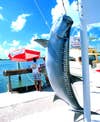
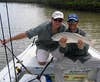
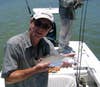
By: Mike Toth It was the very same joke I’d heard more than 30 years ago, right at this very spot, when I was a teenager. “I need to get some ballyhoo,-¿ announces a fisherman in the small crowd gathered outside the luncheonette window at Bud N’ Mary’s Fishing Marina. “Bally who?-¿ asks another. I’d caught a 7-foot-plus Atlantic sailfish that time, so I took the lame baitfish pun as a positive sign. I was here now with my son, Joe, early on a June morning because Bud N’ Mary’s owner Richard Stanczyk had told me the tarpon, snook, and redfish were biting in the backcountry region of Florida Bay. I wanted to give Joe a day he’d never forget, much like mine when I’d caught that big sail. If that joke was an omen, we were well on our way National Oceanic and Atmospheric Administration/Department of Commerce