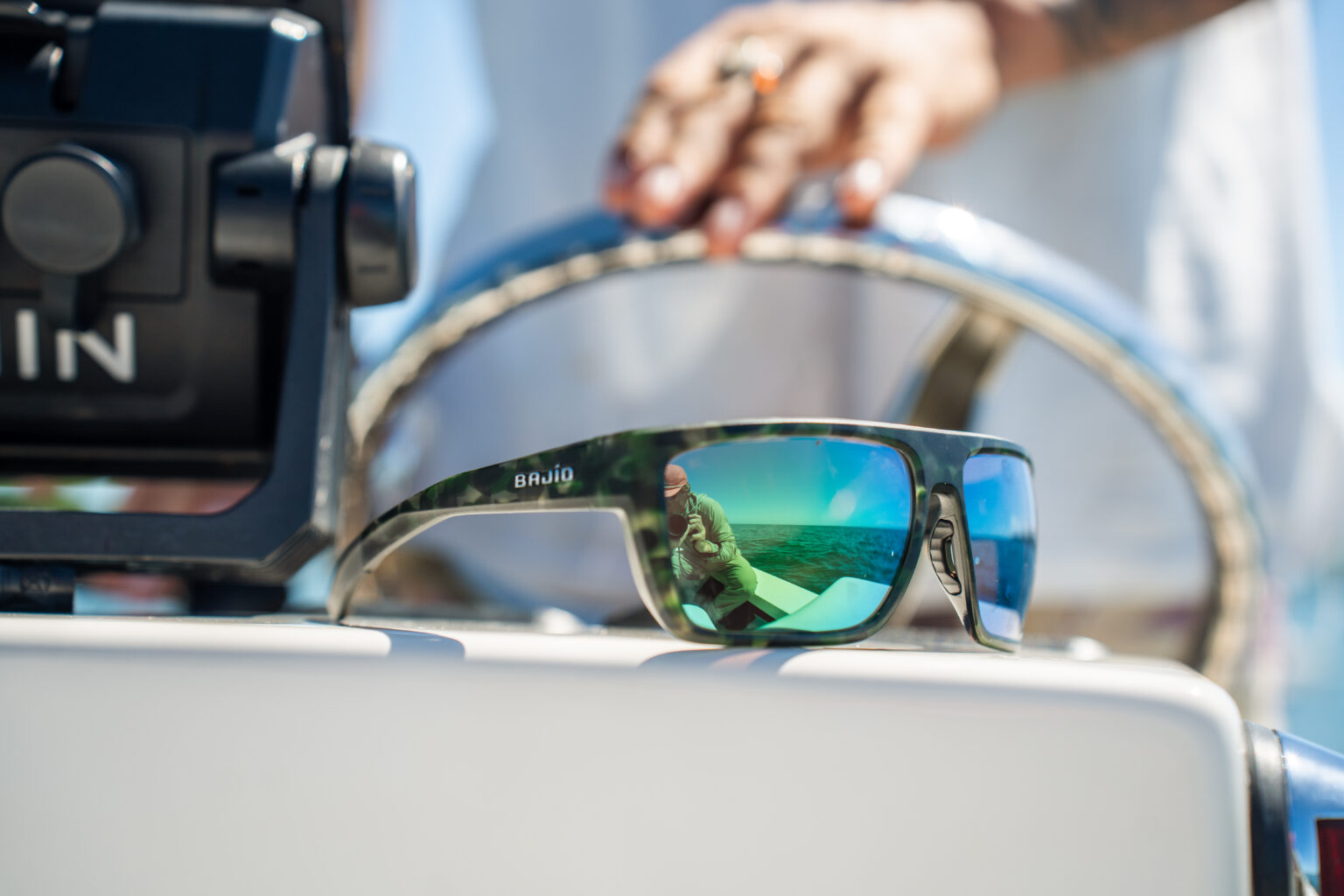
For anglers who want the best all-around performance, the Bajio Zapata with glass lenses leads the pack. For the best value without sacrificing quality, the Island Optics Mako XL is the pick. Low-light fishing favors the Smith Guide's Choice XL with ChromaPop lenses, and budget-conscious anglers should look at the Strike King S11 Optics Clinch.
- Bajio Zapata glass lenses offer superior clarity and wrap-around fit, though the price is a significant barrier.
- Island Optics Mako XL undercuts comparable glass-lens competitors by roughly $100, making it the standout value pick.
- Smith Guide's Choice XL ChromaPop lenses are the targeted choice for low-light fishing conditions.
- Strike King S11 Optics Clinch gives budget anglers a functional entry point without premium-tier features.
- Island Optics Mako XL's oversized frame may not suit anglers with smaller or narrower faces.
We may earn revenue from the products available on this page and participate in affiliate programs. Learn more
Fishing sunglasses serve several key functions, helping you catch fish while staying safe and comfortable on the water. Not only do they provide UV and sun protection, but if you get a polarized pair, they can reduce the surface glare on the water and help you better spot fish. Beyond that, they are a critical piece of safety gear. Wearing shades while fishing can prevent a stray hook or loose split shot from hitting your eye.
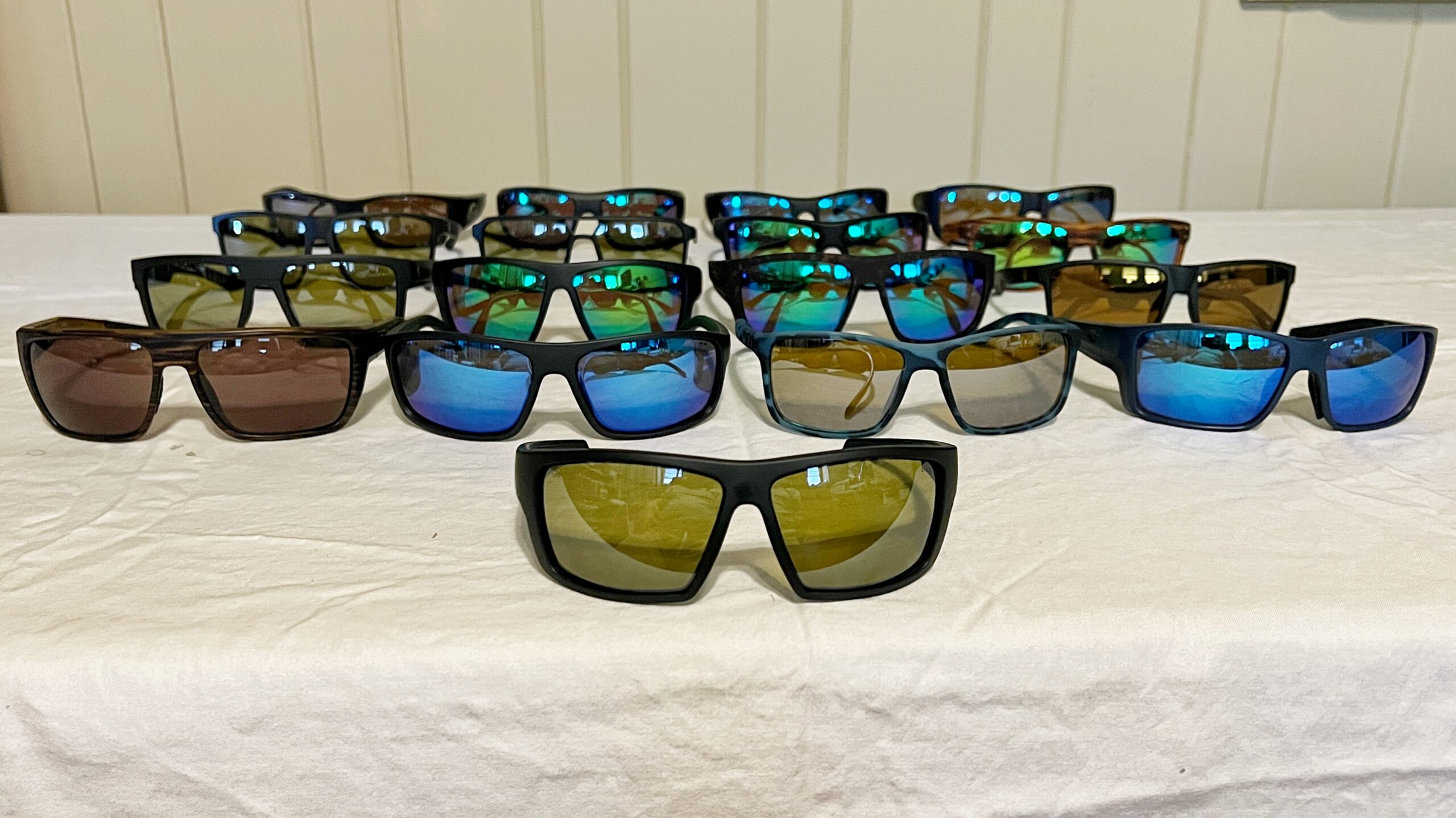
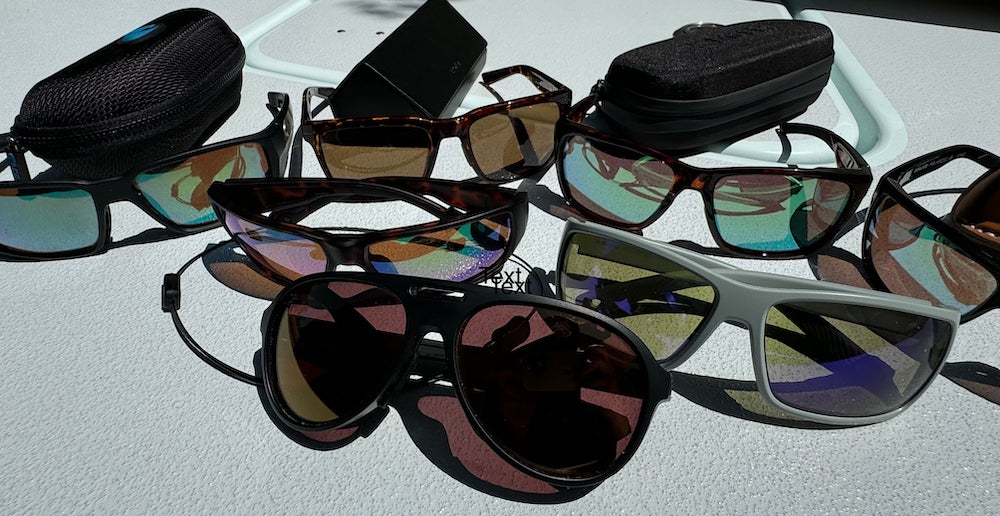
To find the top-performing pairs, I tested 17 frame-and-lens combinations from different manufacturers. Over the course of a couple of months, I wore my test shades in various conditions and situations. After weeding through the entries, I narrowed my list to six glasses and awarded a pair for the Best Overall, Best Value, Best Low Light, and Best Budget categories. Plus, a few other good options. Here’s the best fishing sunglasses you can buy today.
- Best Overall: Bajio Zapata with Glass Lenses
- Best Value: Island Optics Mako XL
- Best for Lowlight: Smith Guide’s Choice XL ChromaPop Lenses
- Best Budget: Strike King S11 Optics Clinch Sunglasses
- Costa Reefton Pro
- Leupold Switchback Emerald Mirror
Best Overall: Bajio Zapata with Glass Lenses
best overall
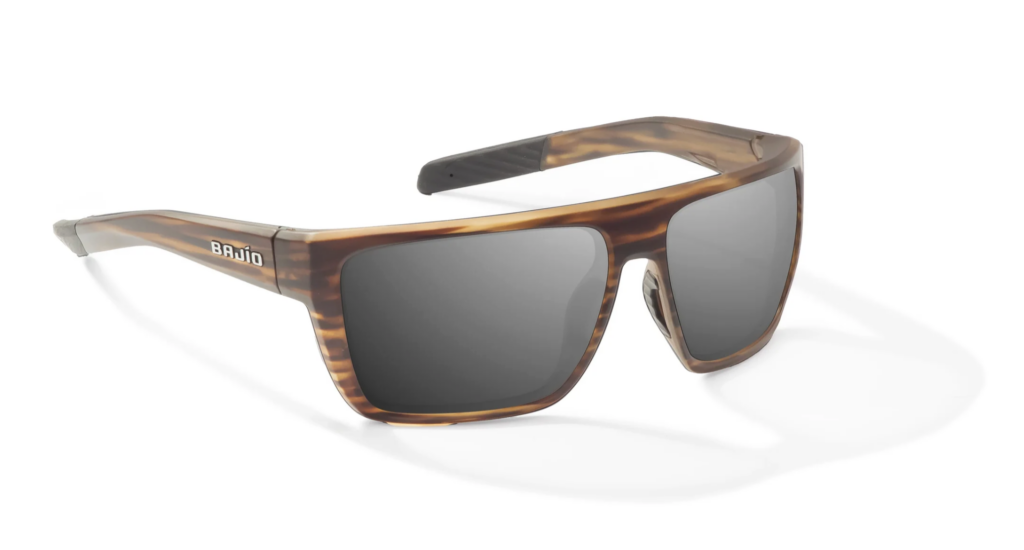
Bajio Zapata with Glass Lenses
Pros
- Wrap-around frame
- Ergonomic rubber nose pads and temple tips
- Flex hinges
Cons
- Expensive
Specs
- Lens Material: Glass or Polycarbonate
- Lens Color: Grey, Blue Mirror, Green Mirror, Silver Mirror, Copper, Rose Mirror, Violet Mirror
- Frame Color: Brown Grass Matte, Green Water Matte, Black Matte
- Price: $269
This Bajio Zapata fits my head well. It’s large enough from side to side not to give me a headache, but still snug enough to hold securely to my face. The flex hinges help give it wiggle room for improved fit and comfort. I also like how the Zapatas tuck up close to my face. I opted for the glass lenses, which were super clear and durable. You can also pick up the Zapatas with polycarbonate lenses for 50 bucks less.
Best Value: Island Optics Mako XL
best value
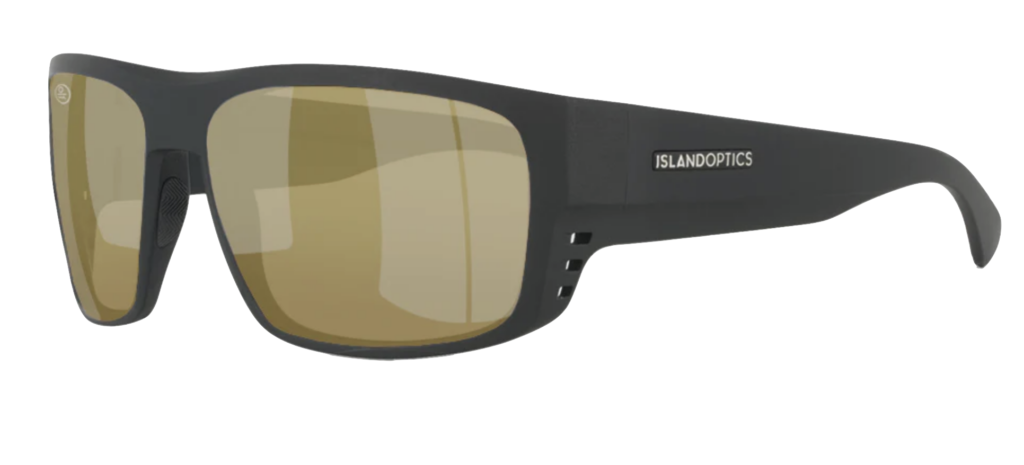
Island Optics Mako XL
Pros
- Rubberized temple pads and nose pads
- Lightweight nylon injected frame
- Marine coating to protect against salt water
- Flex hinges
Cons
- XL fit might be too big for some people
- Glass lens model is expensive
Specs
- Lens Material: Glass or Polycarbonate
- Lens Color: Gray 12, Brown 12, Blue Flash Mirror, Green Flash Mirror, Red Sunset Mirror, Yellow Low Light
- Frame Color: Matte Black, Matte Tortoise, Matte Blue Aqua Tortoise
- Price: $119 (poly), $219 (glass)
These shades come in both glass and polycarbonate lenses, and each is about $100 cheaper than the competition. I tested the glass lens in the Mako XL, and it is as clear as any other in this lineup. I chose the XL frame for my big noggin, but these turned out to be a little too big. A smaller frame would have fit better.
Best for Low Light: Smith Guide’s Choice XL ChromaPop Lenses
best for low light
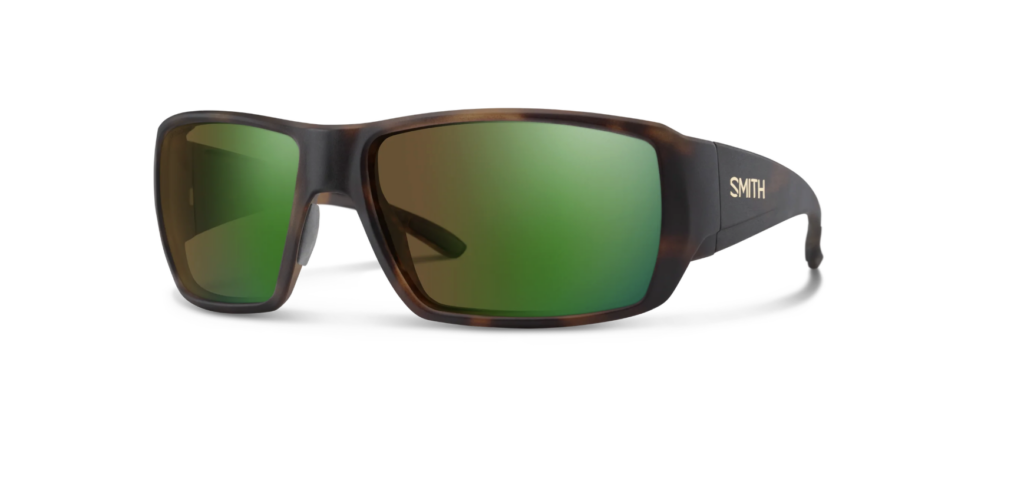
Smith Guide’s Choice XL ChromaPop Lenses
Pros
- Excellent clarity
- Enhanced color
- Case included
- Custom cable retainer
Cons
- Expensive
Specs
- Lens Material: ChromaPop Glass
- Lens Color: Low Light Yellow
- Frame Color: Matte Black, Tortoise, Matte Havana, Matte Pacific, Matte Tortoise
- Price: $297
The best low-light lens I’ve tested is Smith’s ChromaPop Polarized Low Light Yellow lens in the Guide’s Choice XL frame. I really like the fit, flex hinges, and the unique retainer design. But the frames were a tad big for me, and the weight of the glass lens made the shades slide down my nose. Sizing aside, these are still the best low-light fishing glasses on the market. I wore these recently while fishing in a tournament on a cloudy day. They did a great job of brightening things up so I could see better in low light, while also adjusting when the sun did pop out so I wasn’t blinded.
Best Budget: Strike King S11 Optics Clinch Sunglasses
best budget
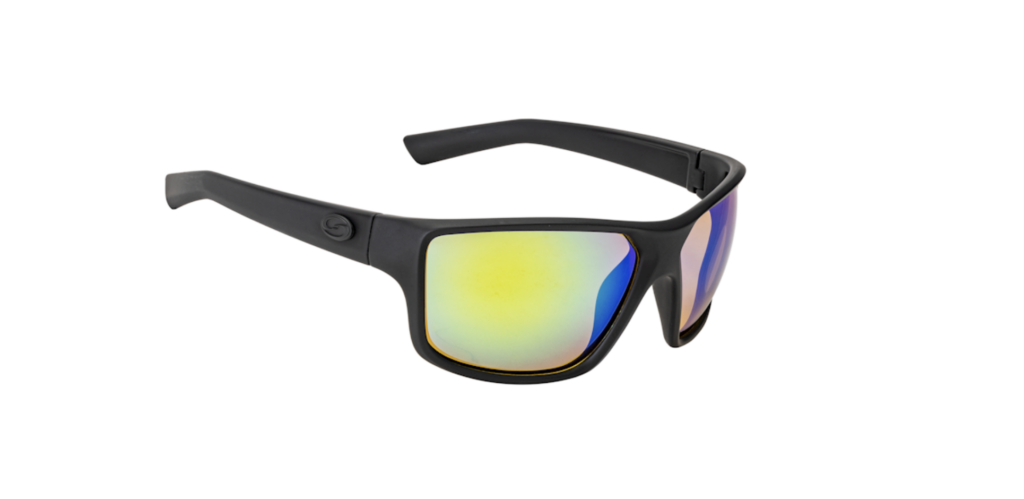
Strike King S11 Optics Clinch Sunglasses
Pros
- Lightweight
- Snug fit
- Affordable
- Full coverage
Cons
- Durability concerns
Specs
- Lens Material: Polycarbonate
- Lens Color: Green Mirror, Blue Mirror, Silver Mirror
- Frame Color: Black, Crystal
- Price: $45
Compared to the other glasses on this list, the Strike King S11s are a bargain. They also held their own against some glasses in this test that cost four or five times as much. If you’re hard on your gear or lose things easily, these are great-performing shades that won’t make you sick if you lose them. I like the fit of the Clinch frames the best, but there are five other frame designs and multiple lens colors to choose from.
Costa Reefton Pro
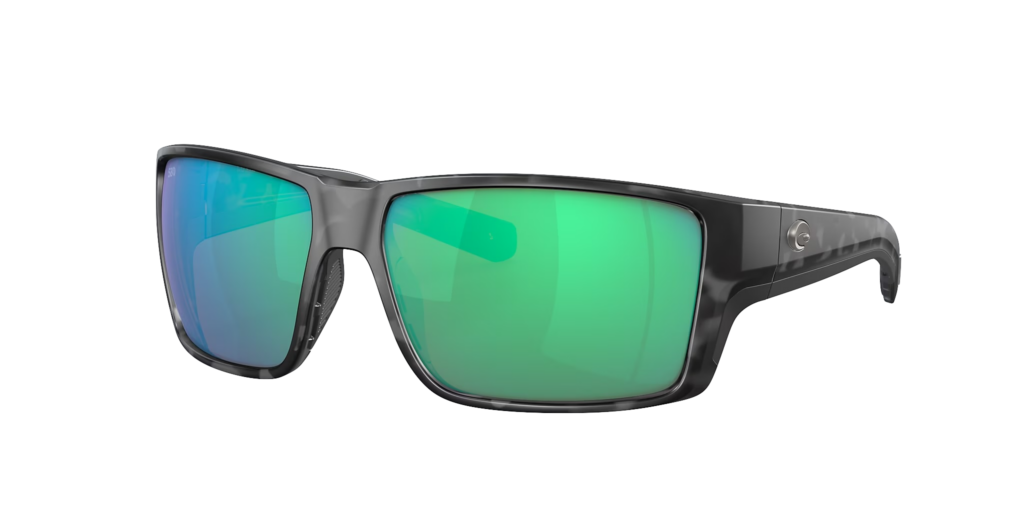
Costa Reefton Pro
Pros
- Comfortable fit
- Glass lenses
- Rubberized temple pads
- Wrap-around style
- Case included
Cons
- Expensive
- Rubber nose piece starts to deteriorate over time
Specs
- Lens Material: Glass
- Lens Color: Green Mirror, Blue Mirror, Silver Mirror, Copper Silver Mirror, Gold Mirror, and more
- Frame Color: Matte Tortoise, Matte Sand, Matte Midnight Blue, Tiger Shark, Seagrass, Matte Gray, Matte Black
- Price: $309
I’ve worn the Reefton Pro frames almost exclusively for two or three years. These glasses have adjustable padded nose pieces and flex hinges. This translates to an extremely customizable fit. The Reeftons are a great choice if you like more vertical coverage around your eyes, and the Costa Corbina Pros are a great option for those who like a thinner frame. They have many of the same features as the Reeftons, but with a lighter, simpler design.
Leupold Switchback Emerald Mirror
Leupold Switchback Emerald Mirror
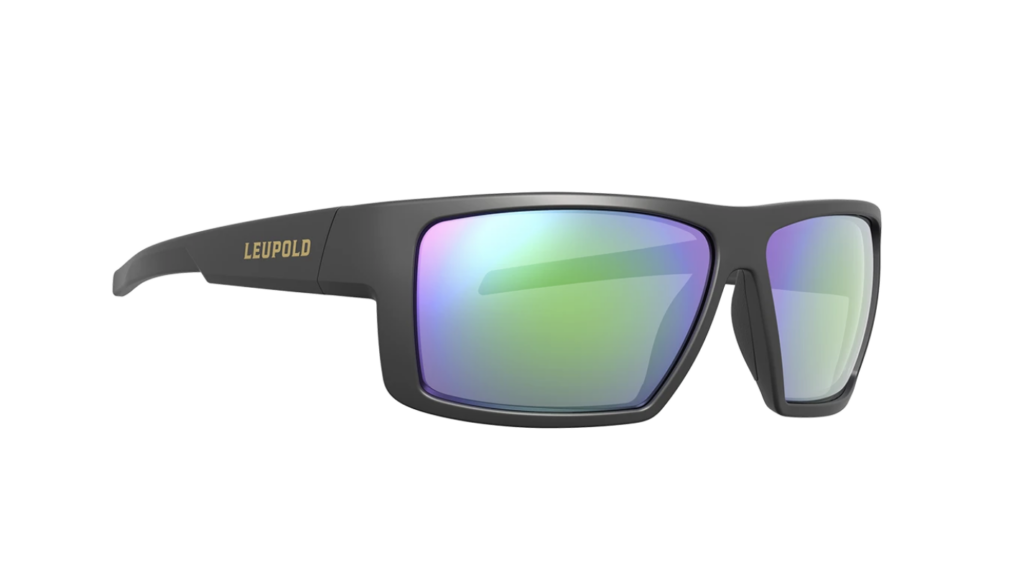
Pros
- Wrap-around design
- Full coverage
- Ballistics-rated shatterproof lens
- Full UV protection
- Case included
Cons
- Limited options
Specs
- Lens Material: Polycarbonate
- Lens Color: Emerald Mirror
- Frame Color: Matte Black
- Price: $190
When setting aside the glass lenses and looking solely at the polycarbonate shades, the Leupold Switchback stands out. These sunglasses held their own and topped the other poly glasses in both performance and fit. I tested the Emerald Mirror lens, as well as their new Daylight Max lens. In both cases, the lenses were super clear, the polarization was fantastic, and the frames fit really well—snug but not too tight with great coverage of my eyes.
What to Look for When Choosing Fishing Sunglasses
You need to consider two main factors when looking for a new pair of fishing sunglasses: frame type and lens type. Both of these features impact how your fishing sunglasses will perform. The frame type is not just a matter of style. Your frame will also affect how well your sunglasses hold the lens in place and how much protection they offer. Similarly, your lens will affect both your glasses’ sun protection and visibility.
Polarized Lenses
Polarized lenses reduce glare by blocking all horizontal rays while allowing vertical rays to pass through. Horizontal rays primarily reflect off flat surfaces such as water or phone screens. This means polarized sunglasses can drastically reduce surface glare and allow for sight fishing in situations that aren’t possible with regular or no sunglasses.
Polarized lenses differ from standard sunglass lenses, which do not filter out horizontal light. Non-polarized lenses protect against UV rays and minimize glare, just not to the same extent as polarized lenses. For anglers who want the best possible fishing glasses, polarized lenses are a must.
Coverage
Fishing sunglasses need to provide sufficient coverage. What does this mean? Your sunglasses need to protect you not only from the sun that reaches you through the lenses, but also reduce the light that seeps in from the edges of your shades. For instance, if you wear square, Ray-Ban style shades, a lot of excess light finds its way through the sides and tops of your glasses. This will reduce both UV protection for your eyes and potentially your visibility. This problem can become especially dire when you’re fishing in the ocean or lakes that reflect a lot of extra light toward your eyes.
Which sunglasses offer the best coverage? In short, sunglasses that fit closely to your face. This means the frame will wrap around your eyes and feature thick temples, which prevent excess light from entering through the edges of your sunglasses. As always, fit of the glasses is critical. Ensure your sunglasses hug your face tightly without being so tight that they are uncomfortable or give you a headache. The right wrap-around sunglasses will reduce glare and keep you fishing even on the brightest of days.
Light Conditions
Most sunglasses are meant for sunny conditions. But when you go fishing, it’s not always sunny out. You should still wear sunglasses for safety. And even in overcast weather, the water surface will still emit a glare that can make it difficult to see your bobber or fly, which means that you might start missing strikes. If you spend a lot of time fishing at dusk or in inclement weather, consider purchasing a pair of sunglasses made specifically for low light conditions.
Low light lenses will be clear or lightly colored. They probably won’t be mirrored like sunglasses designed for bright conditions. Be aware: many low light shades on the market are not polarized. Avoid these products if you can. You will still want to filter out horizontal rays that reduce surface glare on the water.
Comfort
You know the saying: look good, feel good, play good. The same motto applies to fishing. Make sure to balance style with functionality. You might be comfortable reducing frame coverage to achieve a more traditional-looking shade style. This should be fine so long as you aren’t fishing in extremely bright conditions. This give-and-take is one that you need to make before buying a new pair of sunglasses. No matter what, don’t get non-polarized sunglasses. That will drastically reduce your sunglasses’ performance without impacting the style.
FAQs
Most “blue” lenses are not actually blue but blue-tinted, meaning that the lens, which is typically gray, is coated with a blue mirror. This coating can provide some key benefits to anglers. The blue mirror blocks harsh glare, especially in bright conditions. Get a blue-tinted lens for sunny days on the water.
Yes. Polarized sunglasses are a must.
Brown, amber, copper, and rose-colored tinted lenses are often considered the best for fishing because they provide high contrast. However, the type of fishing you are doing can change this. These high-contrast lens colors are ideal for inshore fishing, whereas grey or blue lenses are more commonly used for offshore fishing.
There are often many differences between cheap and expensive fishing sunglasses. Two major differences are the tint/color and the lens material. High-quality sunglasses utilize a tint that enhances vision, whereas many cheap sunglasses darken the lens to make it appear tinted without providing any actual benefit. Many high-quality sunglasses have plastic lenses, but the most expensive models use glass lenses that are scratch-resistant and maximize visual clarity.
Sight fishing is when you spot a fish in the water and then coax it towards your bait or lure. Having the proper eyewear can make this easier by providing better visibility in the water.
Why Trust Us
For more than 125 years, Field & Stream has been providing readers with honest and authentic coverage of outdoor gear. Our writers and editors eat, sleep, and breathe the outdoors, and that passion comes through in our product reviews. You can count on F&S to keep you up to date on the best new gear. And when we write about a product—whether it’s a bass lure or a backpack—we cover the good and the bad, so you know exactly what to expect before you decide to make a purchase.
All new! 1871 Club Field Trips