
We may earn revenue from the products available on this page and participate in affiliate programs. Learn more ›
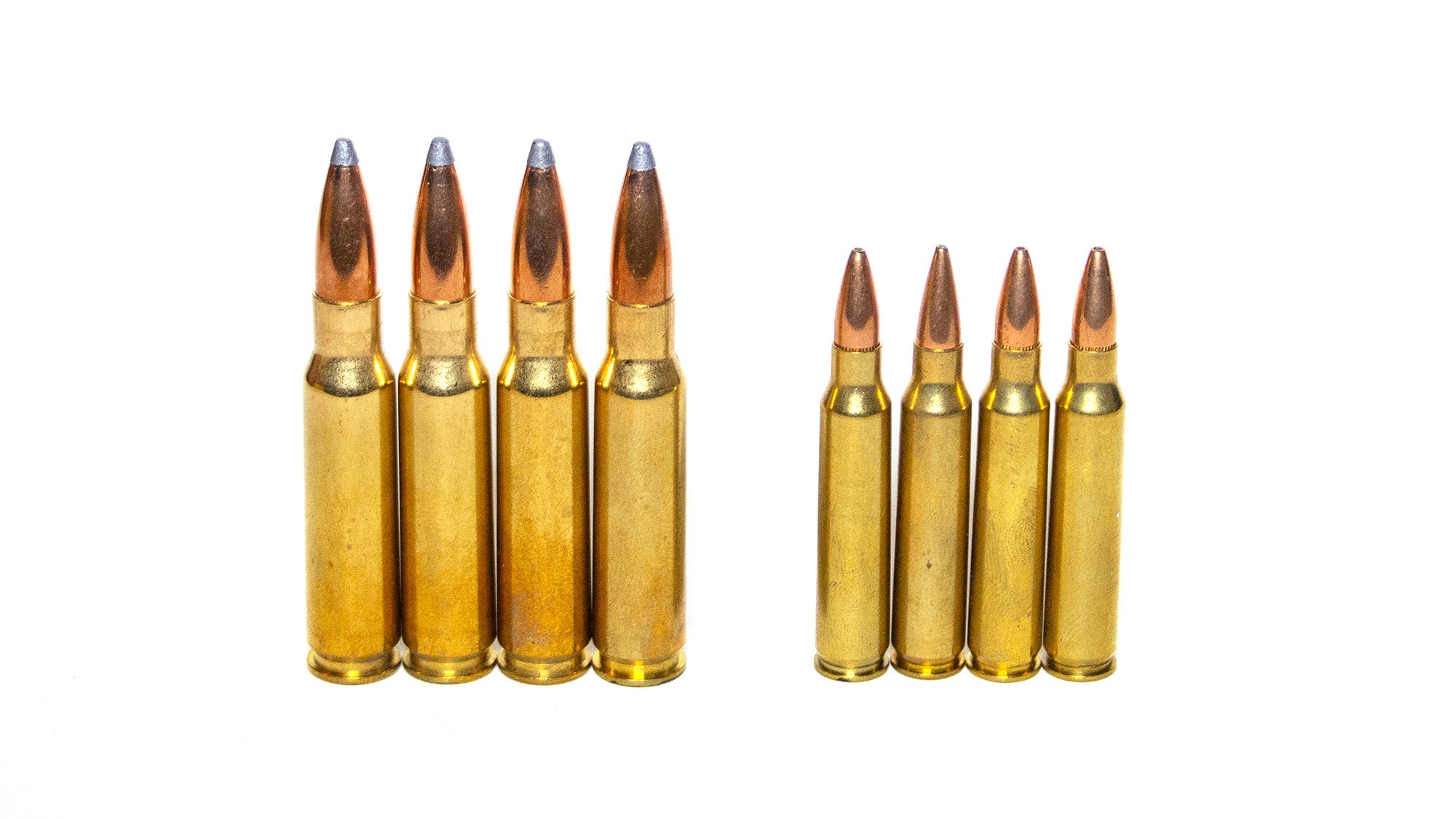
Some cartridge comparisons, like the “308 vs 556,” can seem ridiculous because the two cartridges are so different in size, power, and performance. However, both cartridges have a military lineage and are commonly considered general-purpose. But general-purpose applications can vary depending on where you live and what you hunt. So, let’s look at these two rifle cartridges to get a better idea of what they’re truly capable of.
308 vs 556: Table of Contents
-
5.56×45 NATO
-
308 Winchester
-
308 vs 556: Cartridge/Action Length
-
308 vs 556: Rifle Weight
-
308 vs 556: Ballistic Comparison
-
308 vs 556: Accuracy/Precision
-
308 vs 556: Terminal Performance
-
308 vs 556: Ammunition Availability and Cost
-
308 vs 556: General Purpose Use
-
308 vs 556: Best Loads
5.56x45mm NATO
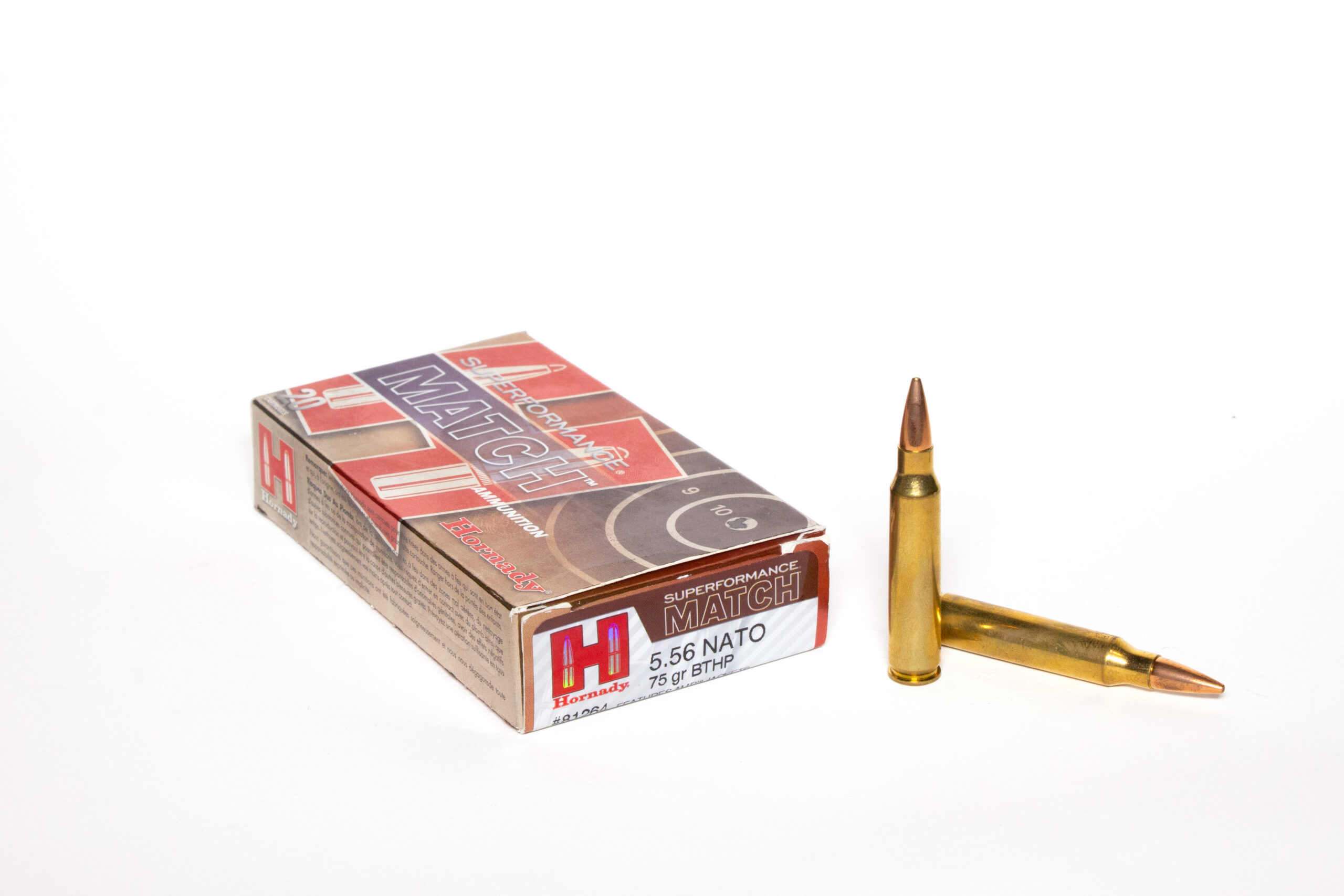
The 5.56 NATO cartridge was developed during FN’s work on a light machine gun and standardized by NATO in 1979. It’s essentially a 223 Remington cartridge that’s loaded to higher pressures. You could say the 5.56 NATO is a 223 Remington +P, except for the fact the chamber that’s cut in 5.56 NATO barrels is a bit different. Though it’s not advisable to shoot 5.56 NATO ammo in a rifle chambered for the 223 Remington, it’s perfectly safe to shoot 223 Remington ammunition in a 5.56 NATO rifle. Because the throat in the chamber of a 5.56 NATO rifle is a bit longer, you might see less precision when shooting 223 Remington ammo, unless the rifle has what is known as the 223 Wylde chamber, which is optimized for both cartridges. Many modern rifle manufacturers are now offering 223 Remington rifles with 223 Wylde chambers for better performance with 223 Remington and 5.56 NATO ammo.
.308 Winchester
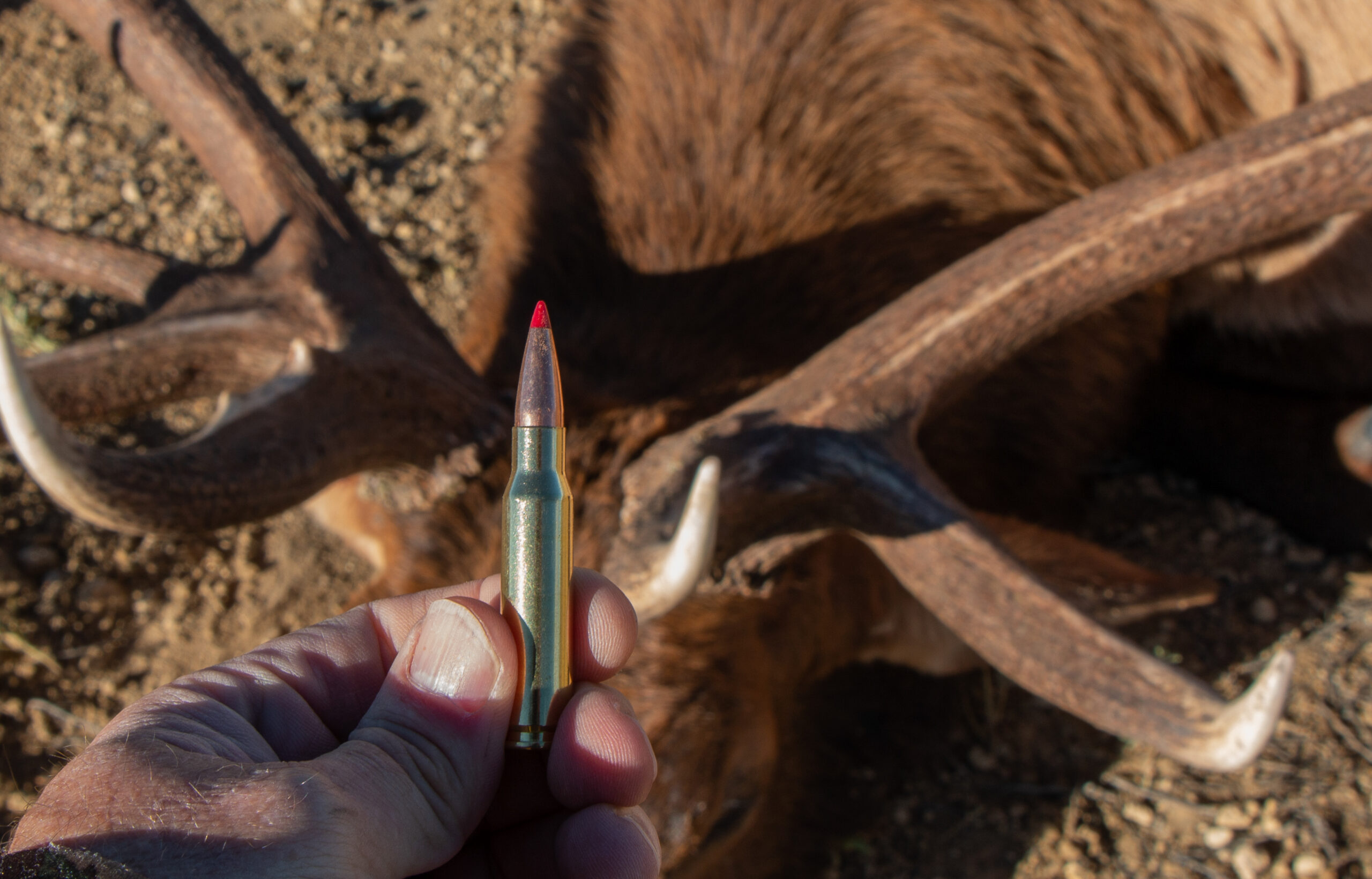
The .308 Winchester began life much like the 223 Remington, when the U.S. military sought a new rifle cartridge. Winchester felt a cartridge similar to what the military was developing would also have appeal to hunters because it would nearly duplicate 30-06 Springfield ballistics in a shorter action. In 1952, the 308 Winchester was introduced. Winchester was right: the 308 Winchester has become one of the most popular short-action centerfire rifle cartridges ever introduced for big game hunting, precision competition, law enforcement, and military use. Today, it is even more popular than the 30-06 Springfield. Also, much like the 223 Remington, the 308 Winchester has a military/NATO equivalent called the 7.62x51mm NATO.
308 vs 556: Cartridge/Action Length
This can get confusing because the 223 Remington/5.56 NATO cartridge is shorter than the 308 Winchester and is just as, if not more, popular. In fact, many 223 Remington/5.56 NATO bolt-action rifles are built on the same short actions as 308 Winchester rifles. (Short-action cartridges are generally defined as cartridges with an overall length of 2.8 inches or less.) But the 5.56 NATO, like any cartridge compatible with the AR-15 platform, has a maximum cartridge length of 2.26 inches.
Bolt-action rifles specifically designed for AR-15-compatible cartridges are sometimes called super-short or mini-actions. Howa and Wilson Combat offer bolt-action rifles with short actions sized just for the 5.56 and other AR-15-compatible cartridges. Technically, a short-action cartridge is one with an overall length of 2.26 to 2.8 inches, and cartridges with an overall length of 2.26 inches or less are classified as mini-action cartridges.
308 vs 556: Rifle Weight
With bolt-action rifles, there usually isn’t a significant weight difference between 5.56 NATO and .308 Winchester rifles, unless the 5.56 rifle is built on a mini-action. However, when it comes to semi-automatic rifles, the weight difference can be substantial. The 5.56 NATO is perfectly suited to the AR-15, but the .308 Winchester requires the longer action of the AR-10, which generally weighs a pound and a half more than AR-15s. In fact, some AR-10s chambered for the 308 Winchester approach 8 pounds before a riflescope is added.
308 vs 556: Ballistic Comparison
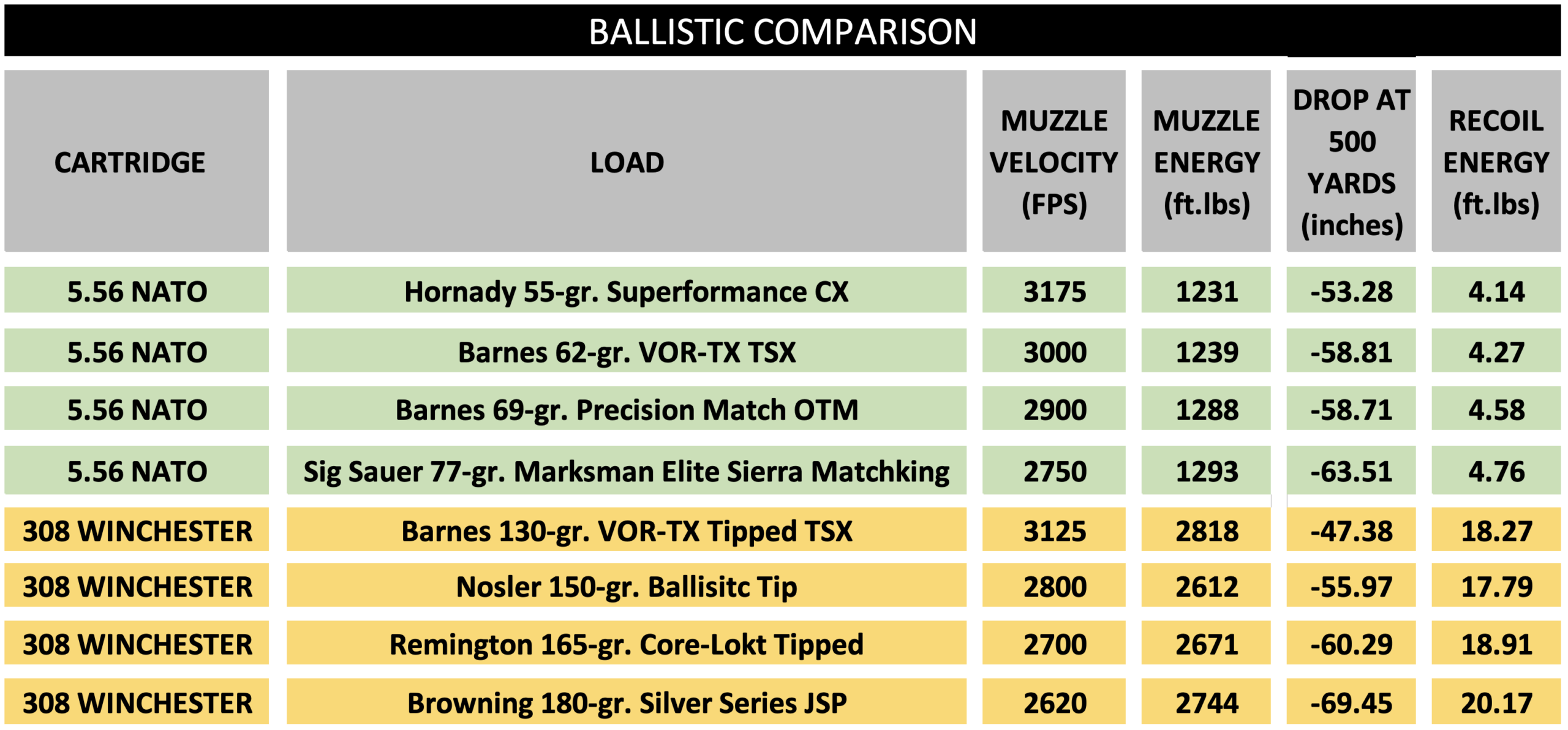
The external ballistics—velocities and trajectory—of the 308 Winchester and the 5.56 NATO are similar. Depending on bullet weight, both will generate muzzle velocities of between about 2600 and 3300 fps. Trajectories are also similar; with a 100-yard zero, the drop with each cartridge will be somewhere between about 45 and 70 inches at 500 yards, depending on the load. The major differences between these cartridges are bullet weight, energy, and recoil. Bullet weights for the 5.56 NATO range between 55 and 77 grains, whereas 308 Winchester bullets weigh between 130 and 180 grains. The heavier 308 Winchester bullets deliver more than twice the energy of the 5.56 NATO, but that power comes with increased recoil. The 308 Winchester will kick about three times as hard.
308 vs 556: Accuracy/Precision
Both cartridges can provide great precision; in bolt-action rifles, sub-MOA performance is expected with each. Over the years, I’ve tested a lot of AR-15 and AR-10 rifles chambered for the 5.56 NATO and the 308 Winchester, and I have found five-shot groups generally average around 1.5 MOA with either platform/cartridge. Both cartridges also reach out to around 400-500 yards well, but beyond that distance, the higher ballistic coefficients of the bullets fired by the 308 Winchester buck the wind much better. However, at closer range, the lighter recoil of the 5.56 NATO usually translates to more accurate shooting.
Terminal Performance
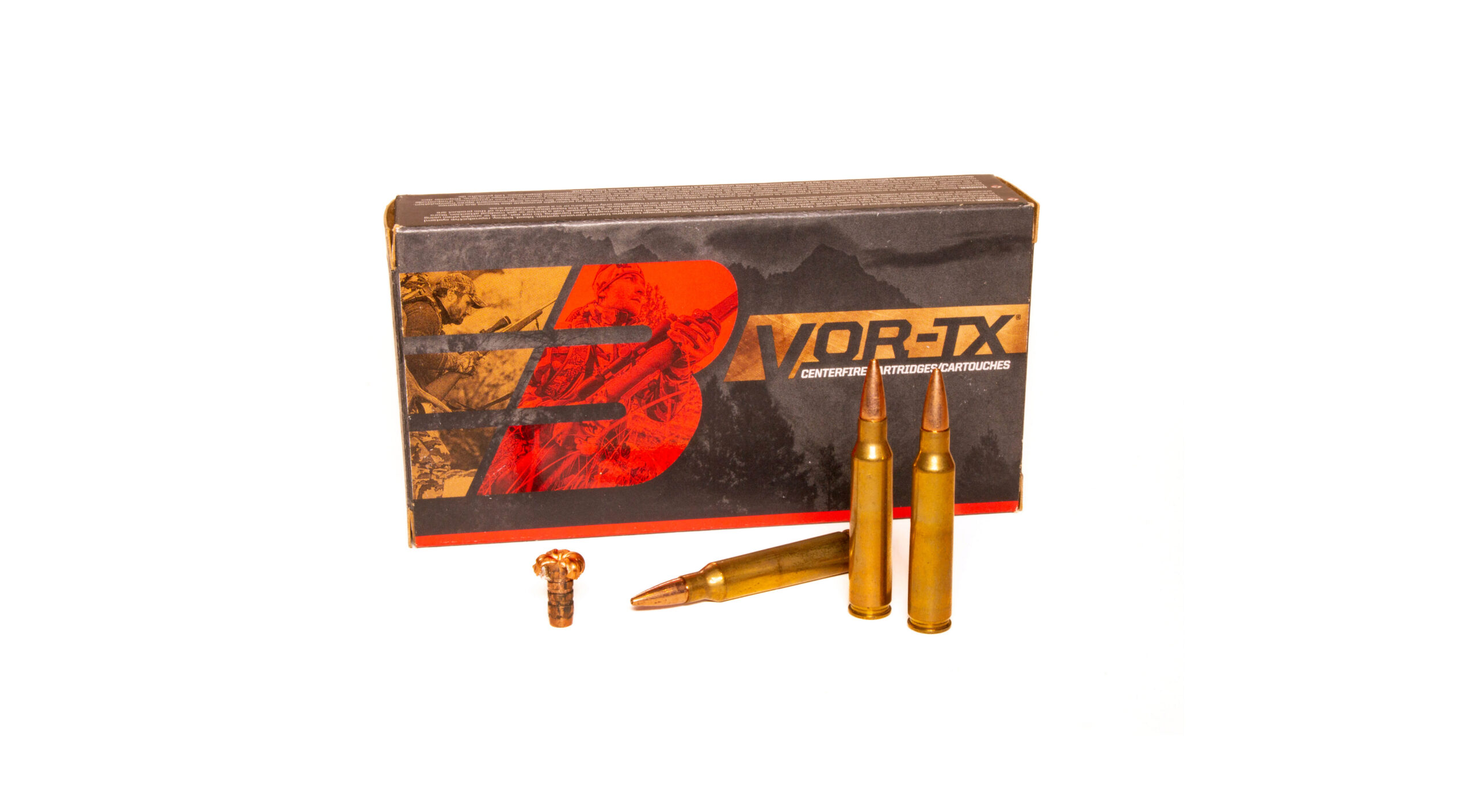
For those interested in a rifle for protection against bad guys or bad critters, or for hunting big game, terminal performance is what matters most. Factory ammunition is available for both cartridges, loaded with great bullets, but you’ll find more variety with the 308 Winchester. With something like the 62-grain Barnes VOR-TX TSX load, the 5.56 NATO—where legal—is more than sufficient for feral hogs or deer. On the other hand, the 308 Winchester is considered suitable for any non-dangerous game animal in the world, and if I had to fight off a ticked-off grizzly, I’d much rather do it with a 308. For personal protection from human predators, the 5.56 NATO is probably a better choice, partly because of higher capacity, less recoil, and the wide variety of ammunition—especially in 223 Remington—purpose-built for that application.
Ammunition Availability and Cost
There are five times as many factory loads offered for the 308 Winchester as for the 5.56 NATO. But if you include .223 Remington ammunition, which can be fired in the 5.56 NATO, the available options are about the same. However, most 5.56 NATO and 223 Remington ammunition retails for about half the price of 308 Winchester ammunition. And similarly, if you load your own ammo, you can reload the smaller cartridges for about half what it costs to load the 308 Winchester. On the other hand, 308 Winchester ammo is more readily available. Similarly, 223 Remington ammo is not hard to find, but you’ll be lucky to find 5.56 NATO ammo behind the counter at your run-of-the-mill mom-and-pop general store.
General Purpose
If you want a rifle that’s fun to shoot and you plan to shoot a lot, a bolt gun or an AR-15 in 5.56 NATO is the better option. If you’re going to target shoot inside 500 yards, the 5.56 NATO wins again due to its light recoil and affordable ammunition. For shooting at longer distances or for use as a primary big game rifle, the 308 Winchester is the better option, whether in a bolt-action rifle or an AR-10. However, if your primary interest is in varmint and predator hunting, go with the 5.56; you don’t need the power—or recoil—of the 308 Winchester for those critters.
No practical-minded shooter or hunter believes the 5.56 NATO and the 308 Winchester are ballistic equivalents, but this does not mean the more powerful 308 Winchester is always the better choice. This is especially true for general-purpose applications. If you want one rifle that will allow you to do anything you commonly do where you live, the 5.56 NATO could be a better option; in the southeastern United States, it will handle most any rifle shooting task. If your domain is west of the Mississippi or worldwide, where the bigger critters live, the 308 Winchester is better suited for general-purpose use.
308 vs 556: Best Loads
When it comes to selecting the best loads for rifle cartridges that are considered general purpose in nature, it’s nearly impossible. General purpose cartridges are not one-use cartridges; they can be used for varmints, deer, recreational shooting, or home defense, and when loaded with the right ammo they are reasonably good at all those things. What might be the best load for big game might not be ideal for predators, personal protection, or target shooting. However, though it may not be ideal you can have a single general purpose load for a general purpose cartridge. It might not be perfect for every application, but it can still get the job done.
For a general purpose 5.56 NATO load, the Buffalo Bore 55-grain Barnes TTSX 223 Remington load can handle most any task. The bullet is tough enough for deer and hogs, suitable for self-defense, flies fast and flat enough for vermin, and it generally shoots well from most rifles. Also, the 55-grain bullet will work well with the varying twist rates you can see with the wide range of 5.56 NATO rifles, and it’s lead-free, so it should be legal in all jurisdictions. If that load does not shoot well in your rifle, consider the 62-grain TSX 5.56 NATO load from Barnes.
If you want to go with a lead-free general purpose load for the 308 Winchester, avoid bullet weights heavier than 150 grains. The 308 Winchester—especially when fired from shorter barreled rifles—does not have the velocity to make mono-metal bullets like the Barnes TTSX and TSX work optimally, particularly at distance. Buffalo Bore also offers a 150-grain TTSX load for the 308 Winchester, and I’ve seen it work well on a wide variety of animals, and I’ve also seen it shoot itty bitty groups. Barnes offers the same bullet load for the 308 Winchester, and it costs a few dollars less.

THE 1871 CLUB