If you’ve yet to tag your first truly big whitetail buck, or if you lucked into one and can’t repeat the feat, the idea of tagging a trophy deer year after year can seem impossible—and the hunters who do it can leave you scratching you head. How do they repeatedly pull off what most of us struggle mightily to achieve once?
Granted, some of these big-buck gurus have access to ground where tagging a giant is relatively easy, but I’m convinced they are the exception and not the rule. In my long career of writing about whitetail deer hunting, I’ve interviewed dozens, if not scores, of Joe Lunchbucket hunters who consistently kill great bucks that don’t live on large, heavily managed properties. And while I won’t speak for myself, I’ll say that a number of my closest hunting buddies also fit the description. So, I know what it takes—and where most folks go wrong. If you’re not regularly hanging your tag on the sort of buck who want to see on your wall, odds are you’re falling prey to one of the five blunders below.
1. You’re Hunting the Wrong Places
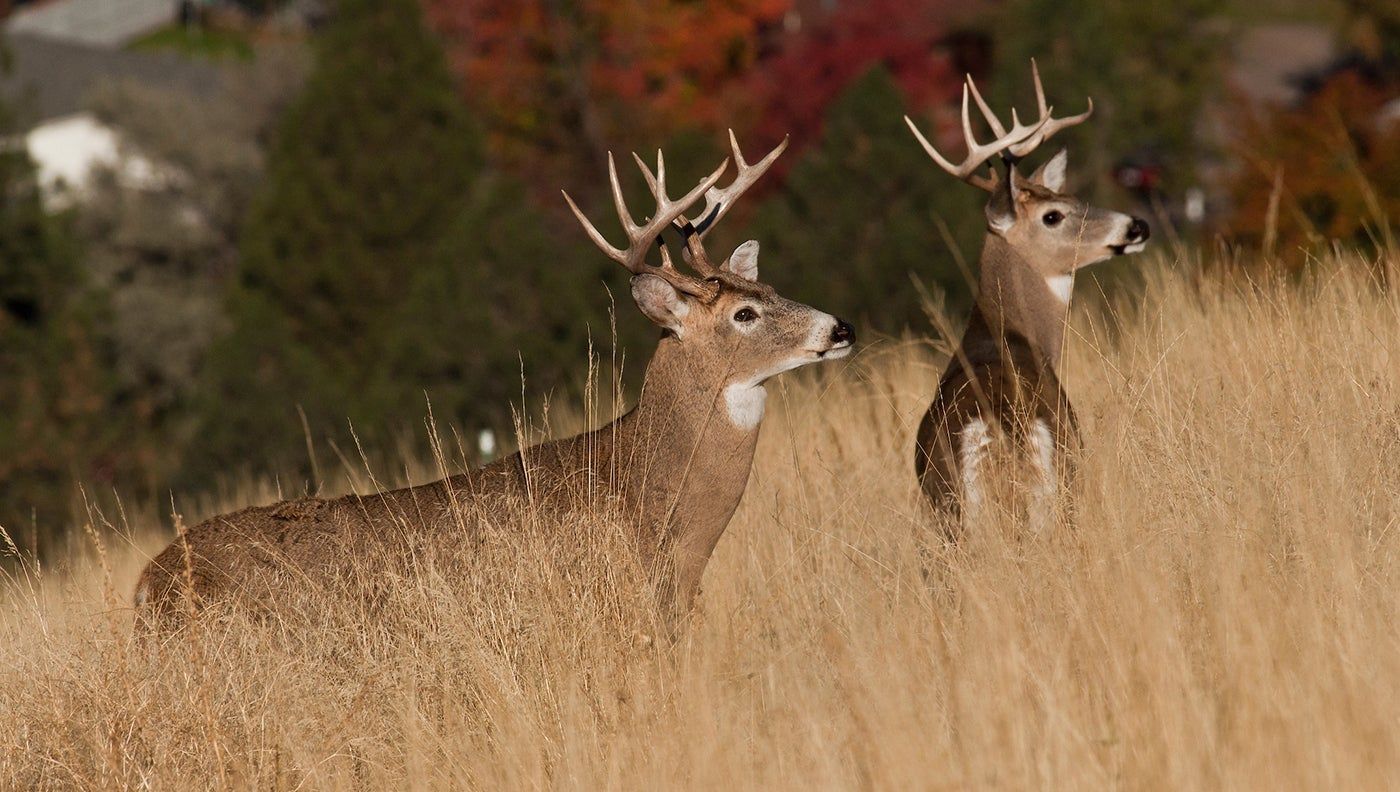
I should start this with a qualifier: Deciding what meets “big buck” standards is a relative thing. That gnarly nontyp from Iowa or Illinois may not even exist in Virginia, for example. And the guys in Maine don’t get nearly as excited about antlers as they do body weight. This is important because in my mind, if you’re consistently tagging the nicest buck in your hunting area, you’re already a successful trophy hunter—even if that deer doesn’t score nearly as high as the ones with see in magazines or on TV.
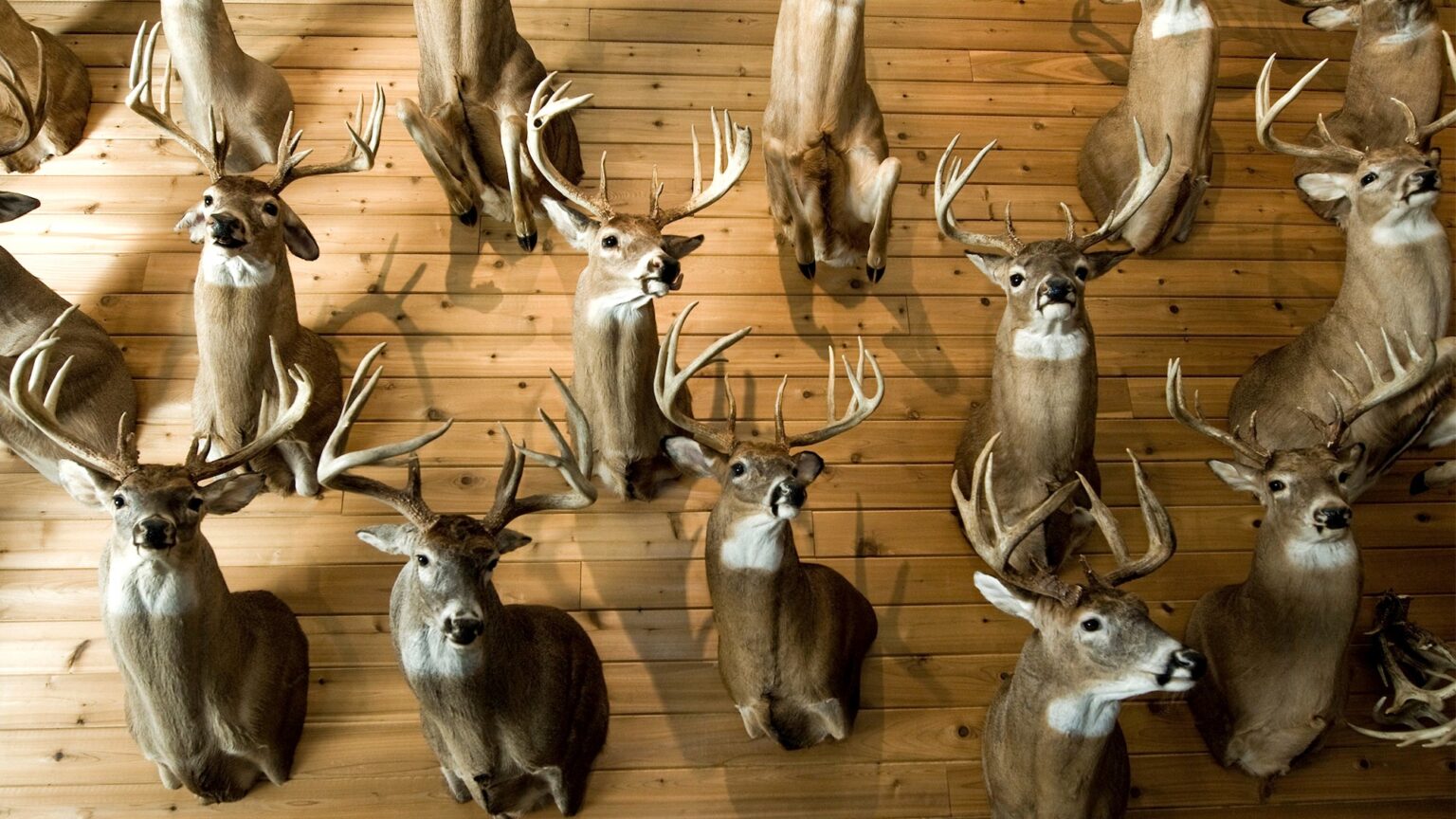
That said, plenty of hunters aren’t content with the neighborhood stud; they want a jaw-dropping giant. If that’s the case, then—unless you hold the keys to a huge, managed acreage where you can grow one—the only way to have any kind of chance at a deer like that is to hunt where they live. If your county has never produced a B&C buck, or produces one every 10 years, then you’d be a fool to wait for one to show up under your stand. That means you’re going to have to travel. Get your hands on the B&C and P&Y record books, find the state(s) closest to you that pump out the most trophies, and start doing the necessary legwork to access ground. Naturally, this is not going to be easy and probably not cheap, but if it was, everyone would have a wall full of giant deer.
Related: The 12 Best States to Bag a Monster Whitetail
2. You Don’t Have Enough Time
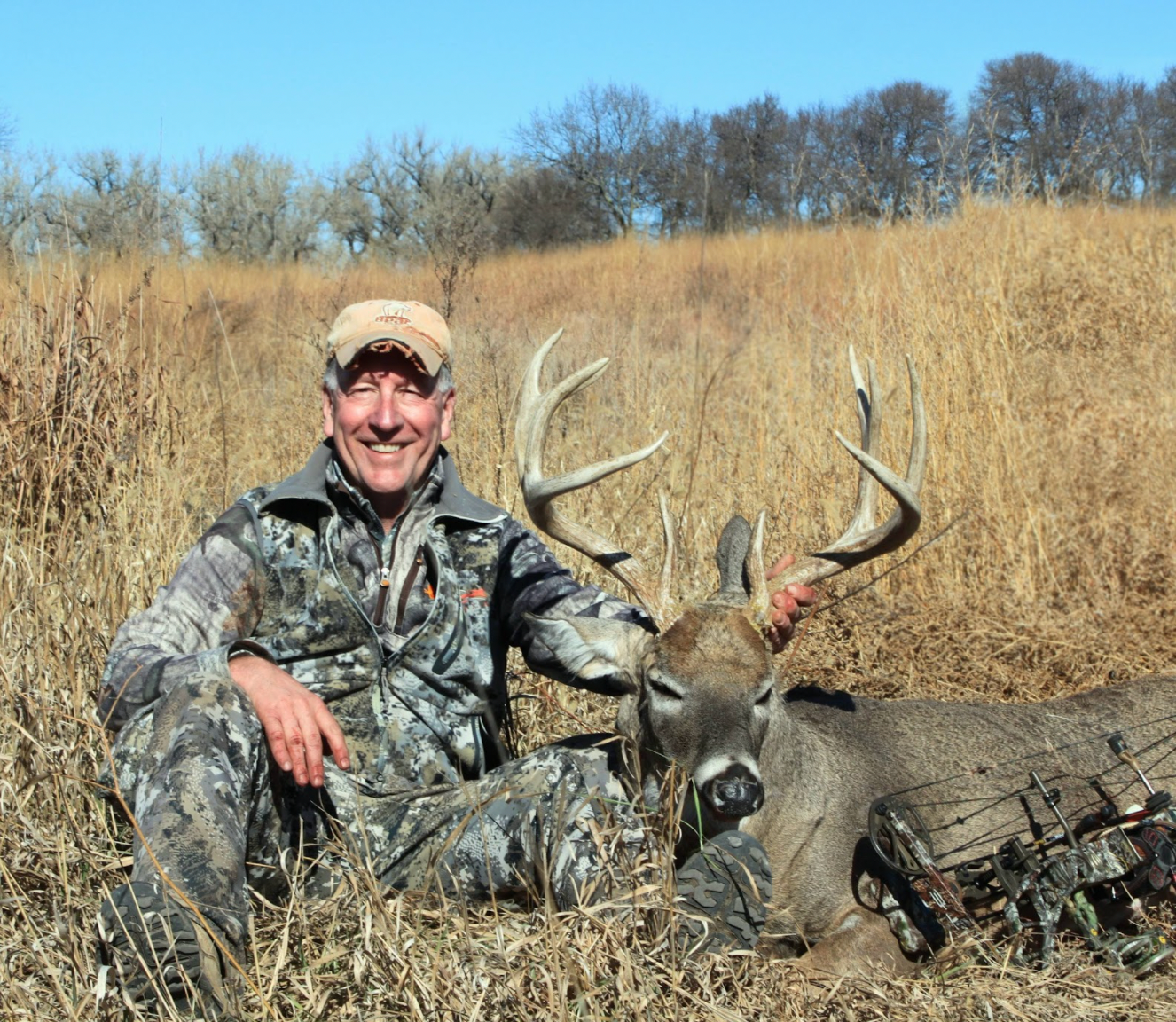
Big deer demand a lot of things from hunters and probably chief among them is time. Of course, you get the occasional buck that comes easy; my biggest archery whitetail came on the second sit of Minnesota’s early-archery season, and I once arrowed an Iowa bruiser on the first day of a November rut hunt, and I’d been in the stand exactly 24 minutes. But outliers aside, I can say with certainty that tagging mature bucks regularly requires loads of time.
For starters, there aren’t many mature deer on most properties, so just finding one takes some doing. Second, big deer don’t move as much as their younger herd mates, preferring to spend more time on their bellies, as old, lazy creatures are wont to do (as an old lazy creature, trust me on this). Also, mature deer are frequently solitary critters that can ignore the habits and behaviors of youngsters. Finally, you typically have to wait for perfect conditions before setting up on a mature buck, and if those conditions don’t line up with your free time, you’re simply going to have to eat some hunting time. All this adds up to a hard truth: If all you’ve got is a weekend here and another there, it may not be enough. If you’re serious about shooting a big one, you’ll need to be willing hunt and scout before and after work, and you’ll want to set aside some serious vacation time during a couple periods when a mature buck is most vulnerable—namely, the first week or two of season, the late pre-rut/early rut, and the late season.
3. You Get Buck Fever
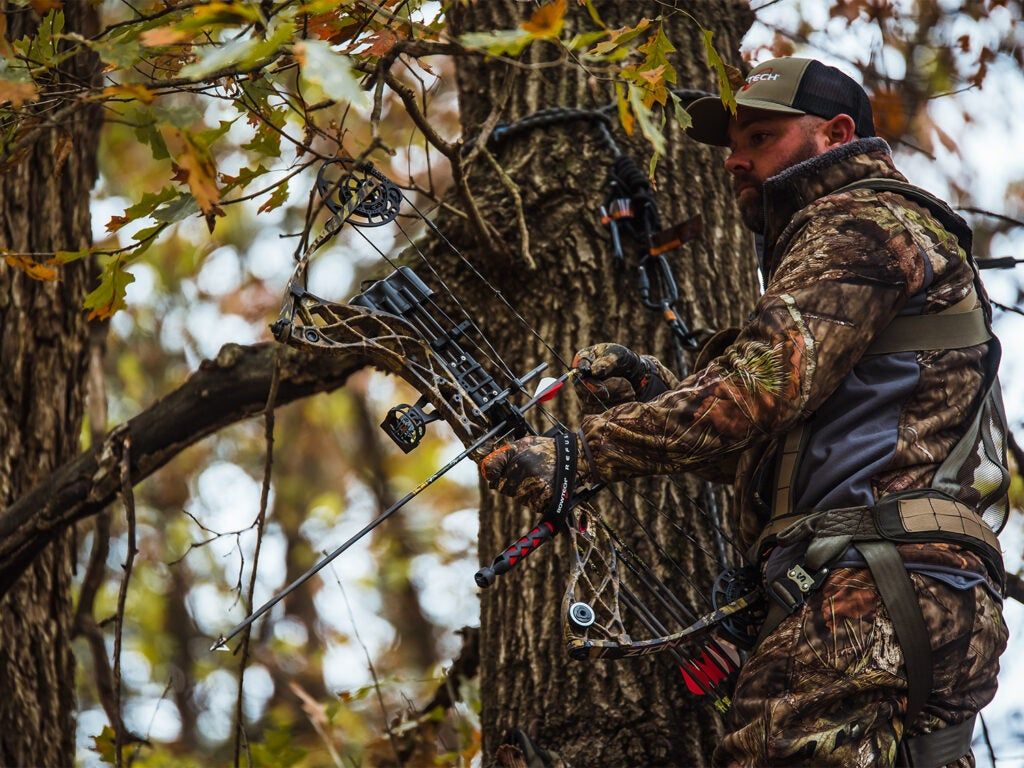
Want to turn a normally calm paper-puncher or deadly 3-D shooter into a blubbering mess that couldn’t hit a chest freezer at 10 steps? Have a 5-year old whitetail wearing a candelabra on his head saunter into range. When buck fever hits, missing an easy shot is just the beginner for some hunters. The stories of crazy things hunters have done while staring at truly big deer could fill a book.
While there are several approaches to curing buck fever, nothing is more effective than simply hanging your tag on a bunch of deer. It’s kind of amazing, but one of the most common traits of those truly afflicted with buck fever is a glaring lack of does and smaller bucks on their resume. I’m convinced the only way to get good at killing deer is to kill a bunch of them, and refusing to shoot does is simply turning down some of the best practice out there, not to mention meat for the freezer. Shooting does deer teaches you to wait for a good angle, choose the right time to draw your bow, pick a spot, and follow through. These essential skills are tough enough to perfect on does and smaller bucks. Don’t wait for Ol’ Mossy Horns to show up and teach you.
4. You Treat Mature Bucks Like Any Other Deer
As noted, mature deer just don’t live the same lives as younger bucks. They move less and often only under certain conditions that can take time to decipher. They often don’t travel the same paths as other deer, preferring discrete routes that can be tough to discover. Mature bucks can also be loners, choosing to live in odd spots ignored by other deer and (again) revealed to us only by luck or careful scouting.
To up the ante, mature bucks have almost zero tolerance for intrusion. You can guess wrong on the wind direction or stand placement or any of a half-dozen choices and probably get away with the blunder on a doe or young buck. But a mature buck is having none of it. This deer has run the gauntlet of at least three hunting seasons, and his senses are hard-wired for survival. His main priorities are (a) staying alive, (b) eating, and (c) breeding does, and the third is only important for a few weeks of the year. What this means for hunters is, screwing up and bumping a mature buck is a recipe for disaster, with long-term consequences. Every move you make has to be carefully considered, and if you wing it to see what happens”“which can work on other deer”“your chances of screwing up your chance at a big buck are pretty high.
Related: Secrets of the Deer Guides: Summer Chores, Go-To Gear, and Big-Buck BS
5. You Need to Fill Your Tag

There’s a mentality among some hunters that goes something like: “I bought this tag, therefore I need to fill it.” This is often accompanied by a mindset that requires a hunter to tag a buck—any buck—for the season to be considered a success. These notions are the absolute kiss of death for anyone who wants to consistently tag mature whitetails. One of the rarely talked about prerequisites for a big buck quest is a copious recipe book for the preparation and cooking of tags. You are going to eat a lot of them, especially in the beginning, so it’s best to relax, get a chef’s apron on, and be prepared to ignore your buddies who ask “Get your buck yet?”
The truth, of course, is that you can’t kill a big deer if you fill your tag with a small one. Some people have zero problem passing junior buck after junior buck, waiting for the stud to appear. But the challenge goes up when the buck in question is not a dink, but a not-quite-mature dude with loads of promise. Suddenly, grinding out more stand time is less appealing and heck, one can always claim an error in judgement if there’s some ground shrinkage on a beautiful two-year old. My buddy Joel Artis, who guides whitetail hunters full time, says the best way to combat this is to “wait for a holy-sh*t buck.” If you have to talk yourself into shooting, he warns, you’re almost always going to be disappointed. So, hold off. Shoot does when you can do it without messing up a good spot. And then, when that giant does finally show up, you’ll be calm, you won’t have already burned your buck tag, and you will be on your way toward filling your trophy room wall with giants.

*WARNING - DANGER AHEAD*
THE FALL JOURNAL COMING SOON