In a move with dangerous implications for public lands across the country, the US House of Representatives passed a controversial bill that paves the way for a foreign-owned mine upstream of the Boundary Waters Canoe Area Wilderness. The bill, put forth by Rep. Pete Stauber of Minnesota, advanced on a slim, party-line vote of 214 to 208—even in the face of heavy opposition from hunting and angling groups like Sportsmen for the Boundary Waters and Backcountry Hunters & Anglers. It will now move to the Senate, where Utah's Mike Lee still serves as the Chairman of the Energy and Natural Resource Committee.
Stauber, who's been advocating for open-pit copper-sulfide mining immediately upstream of the Boundary Waters since he took office in 2019, used an unprecedented maneuver when drafting his bill. He employed what's known as the Congressional Review Act (CRA) in hopes of upending a 20-year mining ban for the area just upstream of the wilderness—which was put in place by the Department of Interior in 2023.
The CRA, a blunt legislative tool used for striking down federal laws, has never been used to reverse a mineral withdrawal on federal land, or any public lands order for that matter. By using it here, Congress is bypassing the National Environmental Policy Act (NEPA) and disregarding more than 675,000 public comments issued in the years leading up to Interior's 2023 mineral withdrawal—the vast majority of which were opposed to Stauber's long-sought mine. If Stauber's bill makes it through the Senate, it'll set a precedent for more CRA use on federally managed public lands in the years to come.
What's at Stake?
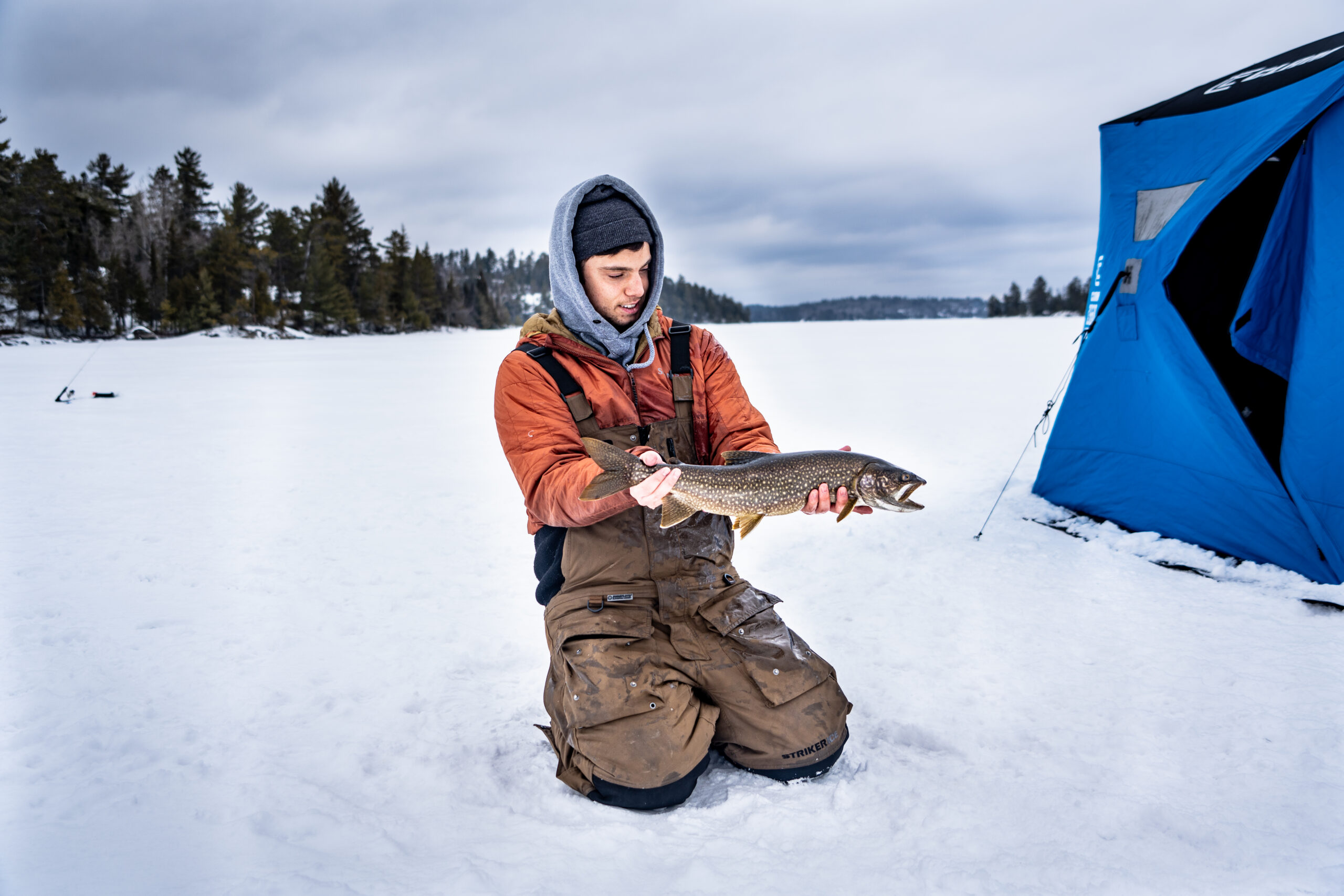
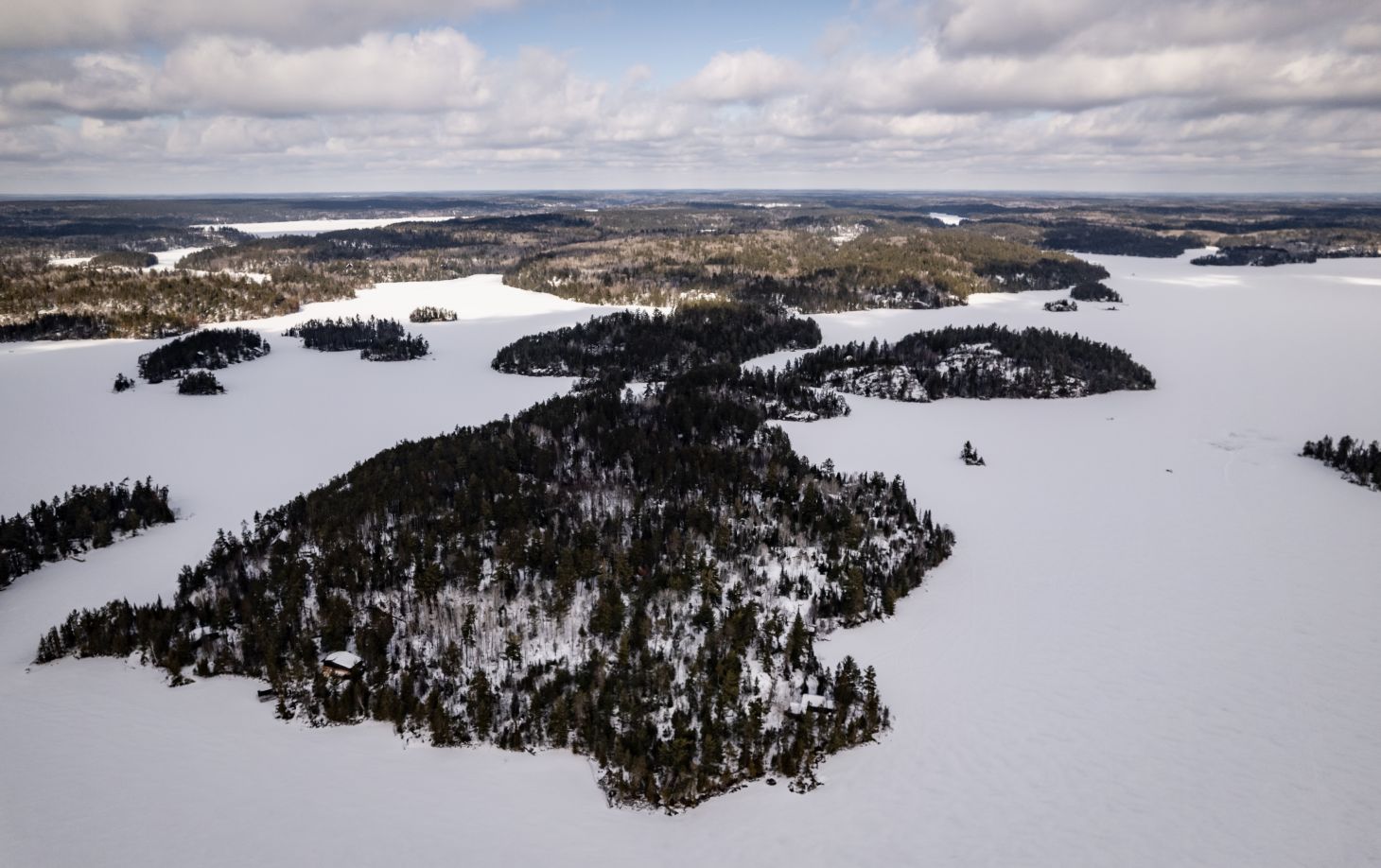
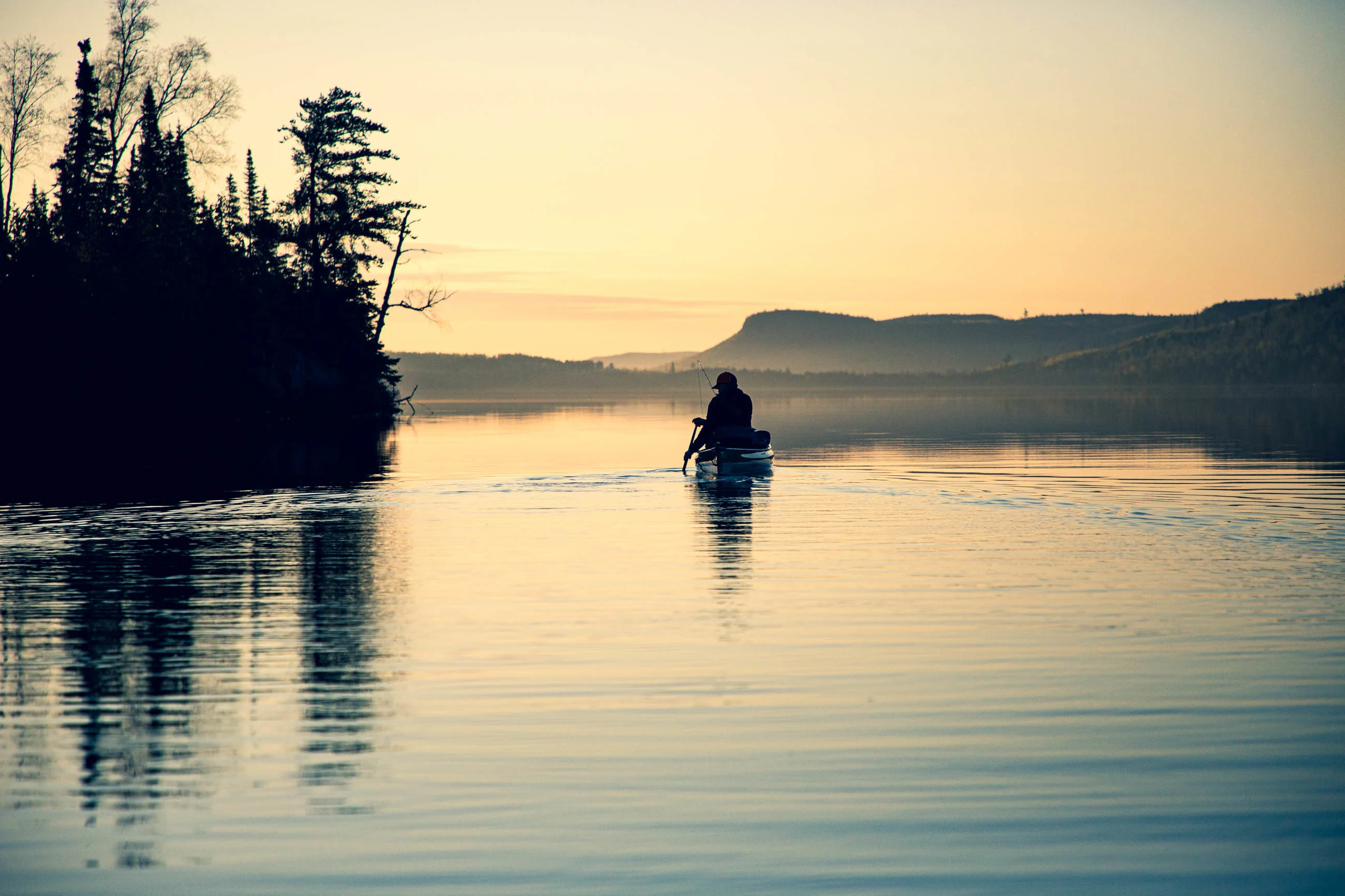
The Boundary Waters Canoe Area Wilderness is home to 1.1 million acres of interconnected lakes, streams, and wetlands. The water there is often cited as being so clean that you can drink it without a filter. This northern Minnesota canoe-country provides crucial habitat for Northwoods whitetail, ruffed grouse, black bear, and other huntable species. And with its thriving populations of smallmouth bass, walleye, northern pike, and increasingly rare native lake trout, the BWCA hosts some of the best wilderness fishing found anywhere in the Lower 48.
That is likely to change, however, if Antofagasta—the large Chilean company vying to mine the area's headwaters—is allowed to proceed with its proposed mine. The minerals they're after are a type of low-grade, sulfide-bearing copper that's only useful after heavy processing. All of the processing facilities for such minerals are located overseas, mostly in China. So any raw minerals extracted from the BWCA's public-land headwaters will be bound for markets overseas, rather than those in the United States.
Around the time that the 2023 mineral withdrawal from the Rainy River Watershed was being debated, former Forest Service Chief Thomas Tidwell said that mine waste from Antofagasta's proposed project would be "a source of water degradation [in the Boundary Waters Wilderness] for hundreds of years." Because copper-sulfide gives off sulfuric acid when exposed to air and water, its pollution is extremely difficult to contain. And the sulfide-ore mining industry has a long track record of allowing acid waste to seep into surrounding watersheds.
 Steady Opposition
Ryan Callaghan, President and CEO of Backcountry Hunters & Anglers, tells Field & Stream that "it's disappointing that our House members can't connect the dots between the benefits of the wild places in their own backyards and the Boundary Waters of northern Minnesota." He says that the overwhelming opposition to mining so close to the Boundary Waters during public comment periods leading up to the 2023 mineral withdrawal is being disregarded by those who voted for Stauber's bill. "If our elected officials aren't listening to the voices of their constituents who don't want this mine on cherished public land, then who are they listening to?" he asks.
Nobody can say that the proposed mine is for America-first national defense, Callaghan says, because the minerals will have to be sold directly to China for processing. "In the neighboring drainage, that nobody's talking about, there are at least three different mining operations, already on line, that have contracts and multi-generational job potential," he continues. "So you can't make the argument—from a jobs perspective—that a foreign mine is important enough to put all the existing natural resource recreation jobs in the Boundary Waters area in jeopardy." According to the US Forest Service, the BWCA generated $78 million in total economic output and 1100 full and part-time jobs, as of 2023.
In an exchange with Rep. Teresa Ledger Fernandez during a House Rules Committee meeting on Jan. 20, Stauber was forced to admit that the Twin Metals mine would benefit a foreign-owned company, and potentially an adversarial nation, more than the American citizens who collectively own the public land where the copper-sulfide is located. "It's not an American company," Stauber said, when pressed by Ledger Fernandez during questioning, adding that the copper extracted from the Rainy River watershed was bound to end up "overseas."
China is where Antofagasta does its current copper smelting, and the United States lacks the proper processing facilities to handle the ore. "If they [make] one little mistake, it's going to harm this precious resource of water," said Ledger Fernandez. "This is a resource that belongs to the American people, and where it's going to end up, is on a boat in China."
Public Lands Caucus Wavers
In the lead-up to the vote, some conservationists had staked hopes in Montana Rep. Ryan Zinke, who helped buck a House budget provision last summer that would have sold off a huge amount of public lands across the West. But according to Politco, Zinke actively encouraged his colleagues to vote in favor of the controversial mining project, even going so far as to call it a "good mine" during floor debate in the House.
In a statement shared with Field & Stream, Rep. Gabe Vasquez (D-NM), who recently formed a Public Lands Caucus in the House that he co-chairs alongside Zinke, expressed opposite sentiments. “Opening the watershed of the Boundary Waters Wilderness Area to foreign mining companies is a huge mistake," Vasquez said. "There are appropriate places to extract natural resources — this is not one of them. I fought hard to defeat this proposal, and I’ll continue fighting in Congress to protect the integrity of our public lands. Future generations are counting on us.”
Read Next: Nominee to Head BLM Has History of Supporting Public-Land Sell-Offs
With Stauber's bill now moving into the Senate, groups like BHA and Sportsmen for the Boundary Waters are urging members to call and email their Senators as soon as possible, and to keep the pressure on them as the bill moves through Senate chambers. "Everyone is switching their efforts into direct action to Senate offices," Sportsmen for the Boundary Waters Executive Director Lukas Leaf tells F&S. "We will have to have some Republicans Senators who come on board, and understand the dangerous implications of using the Congressional Review Act in this way, if we're going to stop this."
To contact your Senators, call the capitol switchboard at 202-224-3121 or visit Sportsmen for the Boundary Waters action page.
THE 1871 CLUB