
We may earn revenue from the products available on this page and participate in affiliate programs. Learn more
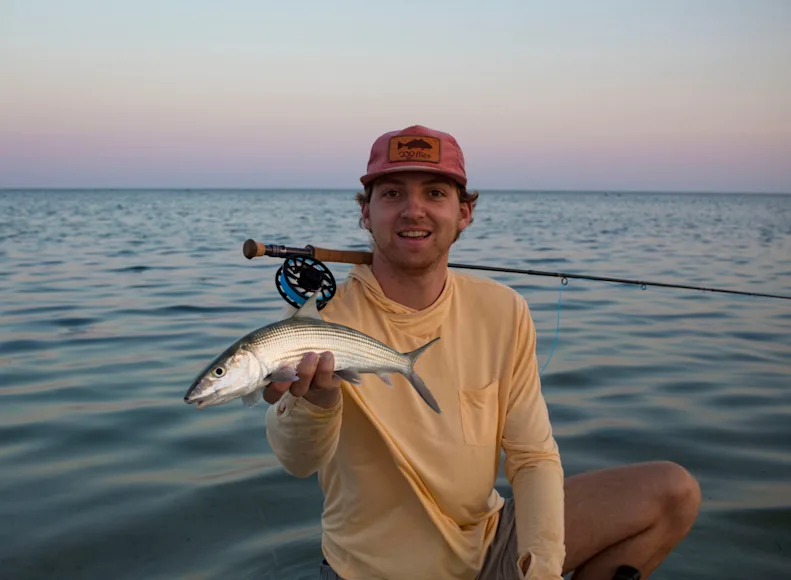
The best fishing shirts vary according to pursuit, style, and performance. Other factors, such as body size, shape, and gender, can also influence decision-making. As with any performance-style apparel, your final choice comes down to the intended use. And since many of us enjoy getting out on the water in warmer weather, we need breathable fabrics, sun protection, and coverage to fend off bugs. So, we called in a number of fishing shirts from some of the top brands on the market. Then we took them to the water to find the very best available today. Here are the winners.
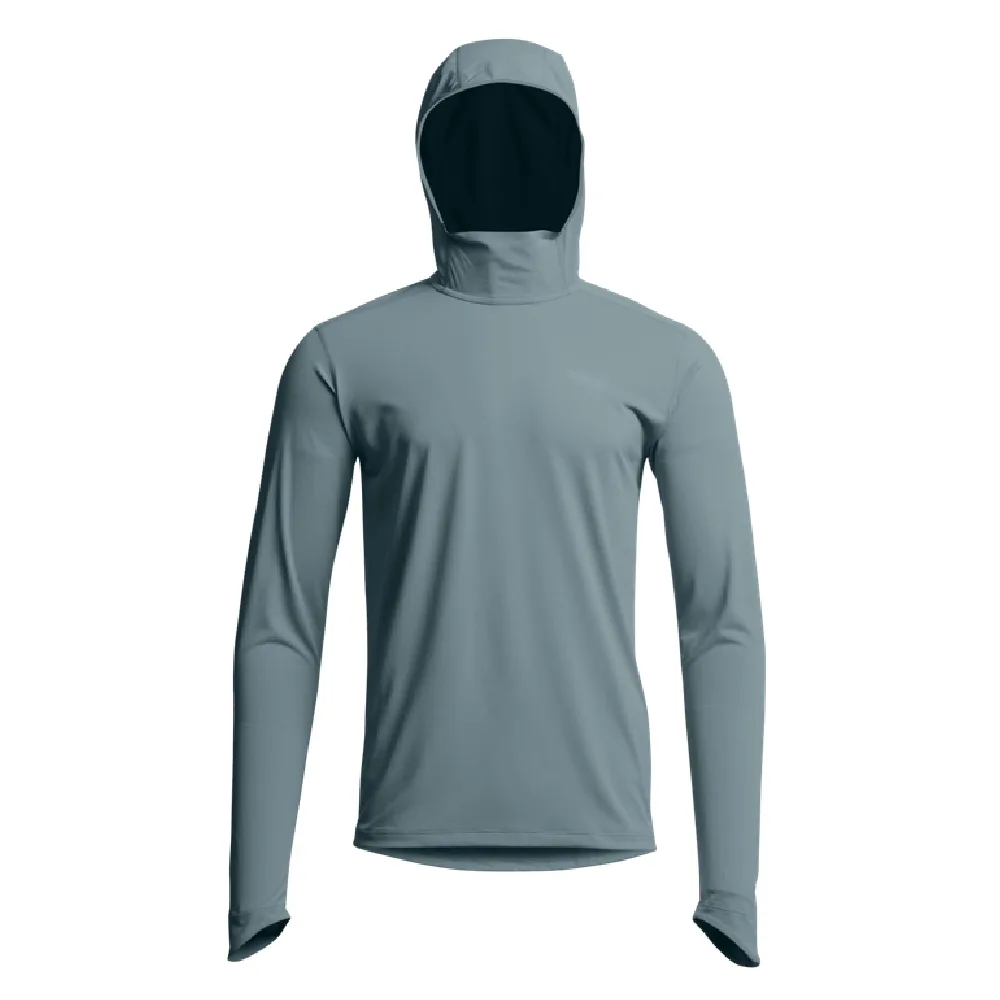
Best Overall: Sitka Radiant Sun Hoodie
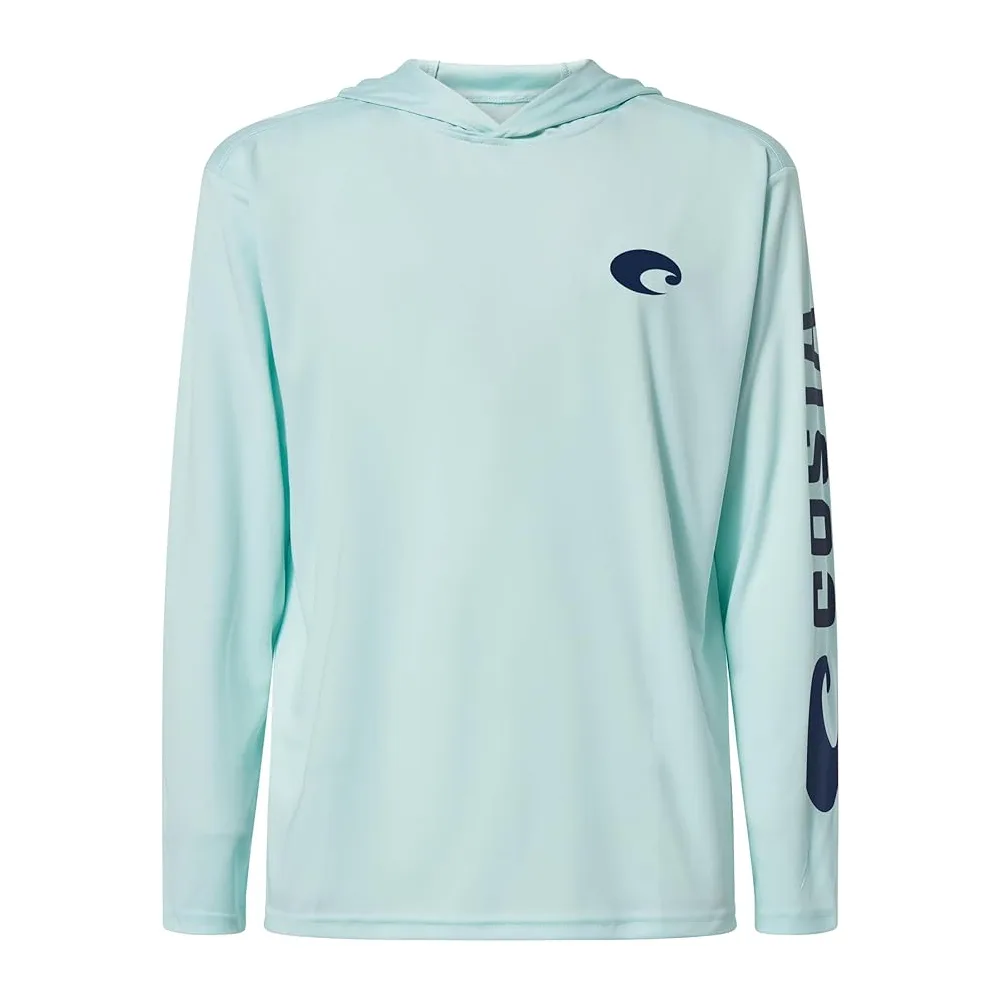
Best Value: Costa Technical Hooded Shirt
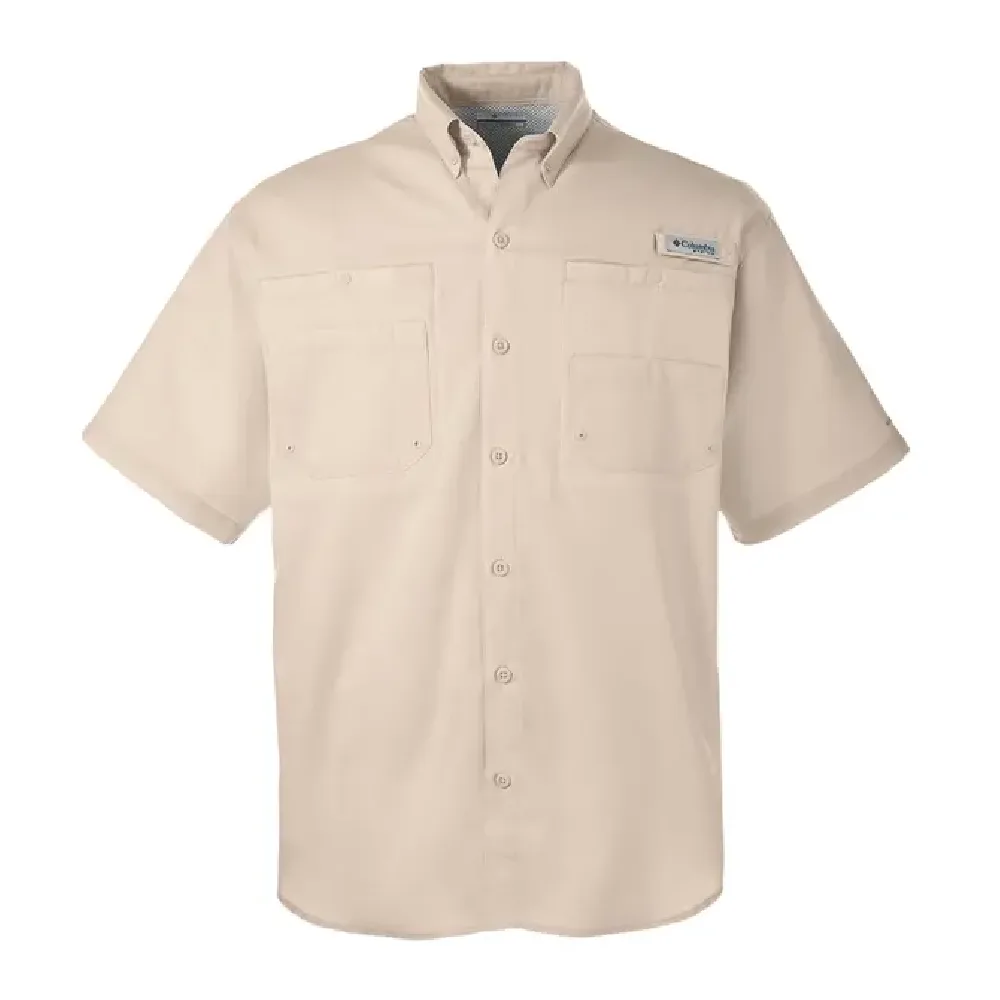
Best Button Up: Columbia PFG Tamiami II
Other Great Fishing Shirts
Best Overall: Sitka Radiant Sun Hoodie
Specs
Materials: Recycled Polyester (56 percent), Polyester (44 percent)
Sizes: S - XXL
UPF Rating: 50+
Pros
Polygiene Odor Control Technology to reduce odor
Moisture-wicking/quick drying
Cuff coverage on the back of hand
Elastic hood lining
Cons
Some may not like the elastic hood
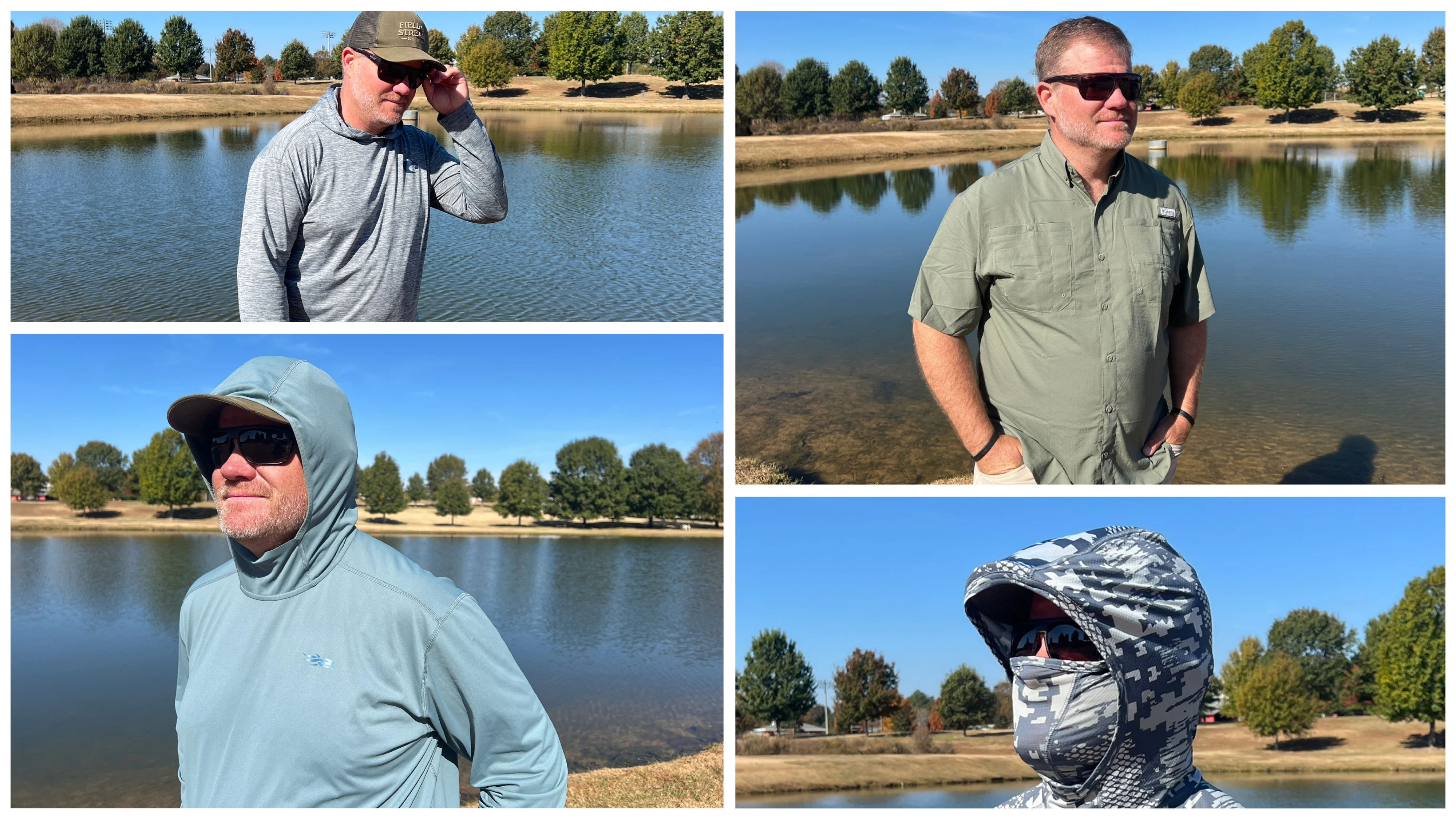
The Sitka Radiant Sun Hoodie is my favorite fishing shirt on the market. For starters, it is super lightweight and comfortable. But it's the finer details that elevate this shirt. There’s a thin elastic band around the face of the hood, which is sized perfectly and has the right tension to keep the hood up and in place, even in strong winds. There are also elastic thumb loops, not cutouts, at the wrist that maximize sun protection without covering your palm and losing contact with the rod. Most importantly, this is the most comfortable fishing shirt I own—and that's what will keep you on the water long enough to catch a big one.
Best Value: Costa Technical Hooded Shirt
Specs
Materials: Polyester (100 percent)
Sizes: S - XXXL
UPF Rating: 50+
Pros
Moisture wicking
Comdortable
Affordable
Good color options
Cons
A little heavy and baggy
I have over 50 days on the water in the Costa Hooded Technical shirt, and it has never let me down. It is lightweight, breathable, and very affordable. For only $22, you can get a fishing shirt that will last you years. The long-sleeve version comes in eight colors. It is slightly baggier and heavier than some other fishing shirts, but I still find it very comfortable. And while other options might be lighter and more breathable, it's hard to compete with the price of this hoodie. I've found it durable and stain-resistant, and it's a great second or third option if you're looking to add to your fishing shirt rotation.
Best Button Up: Columbia PFG Tamiami II
Specs
Materials: Polyester (100 percent)
Sizes: XS - XXL
UPF Rating: 40+
Pros
Mesh-lined vent at back for breathability
Multiple chest pockets
Very affordable
Cons
Fit is a tad snug
When it comes to fishing shirts, there are two main camps: sunshirts and button-ups. And when it comes to the latter, the Columbia PFG Tamiami II is the best there is. This shirt is lightweight, available in short- and long-sleeve options, offers a little stretch, and is moisture-wicking. The mesh back is vented from the sides with two discreet openings, keeping things cool while also offering a cleaner look—I even wear mine out in town. Sizing does run a bit big, so keep that in mind. For instance, I normally wear an XL or XXL in some shirts, but I can squeeze into a large in the Tamiami II.
Other Great Fishing Shirts
Huk Airweight Hoodie
Specs
Materials: Polyester (90 percent) and Spandex (10 percent)
Sizes: S - XXXL
UPF Rating: 40+
Pros
Very comfortable
Offered in solid and camo options
Stretchy, breathable, and anti-microbial
Cons
Hood and sleeve cuffs are not as impressive as other models
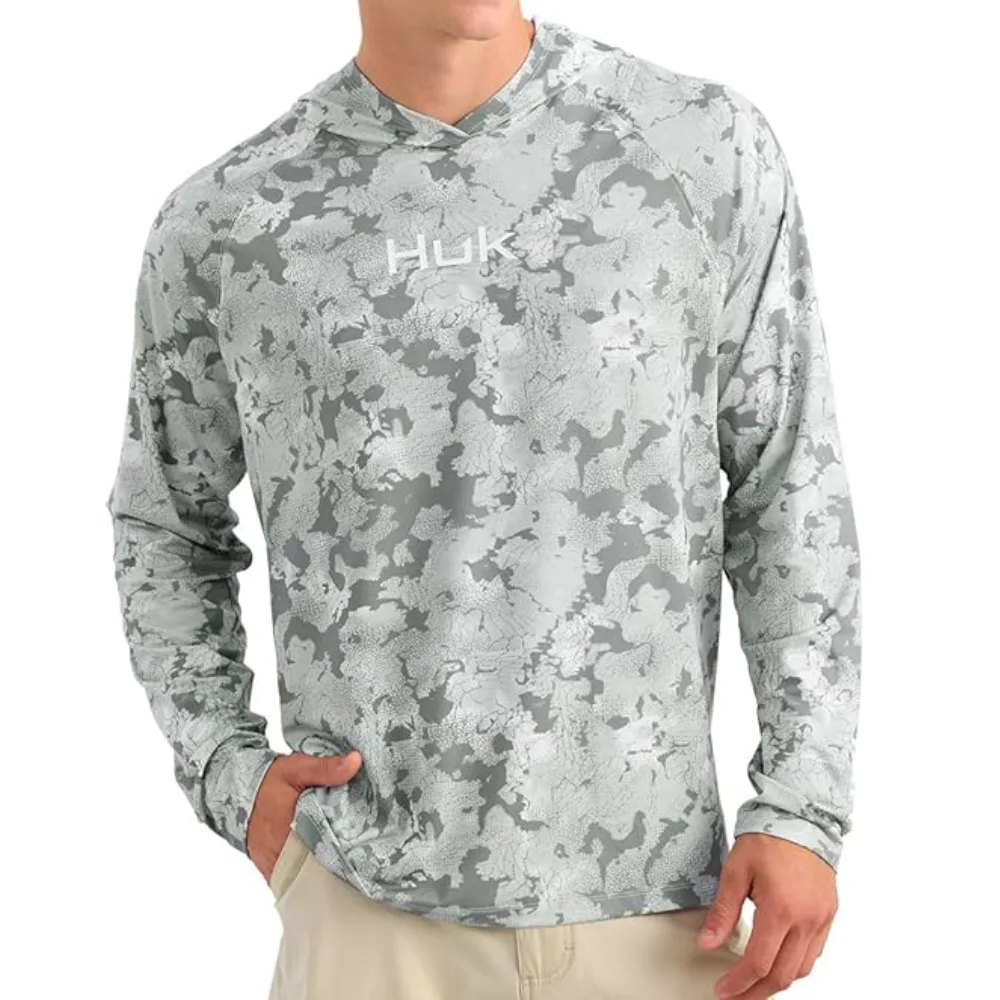
The Huk Airweight KC Printed Hoodie is a great example of what a hooded sunshirt should be—lightweight, comfortable, and breathable. The hood is a good size, not so big that it catches the wind and not too tight either. The mostly polyester material is soft, and the added spandex offers some stretch. The KC Printed Hoodie also provides UPF 40+ sun protection.
Aftco Adapt Tactical Phase Change Performance Shirt
Specs
Materials: Polyester (100 percent)
Sizes: S - XXXL
UPF Rating: 50+
Pros
Vented hood
Built-in buff
Cons
Buff can be somewhat restrictive when not pulled up over your face
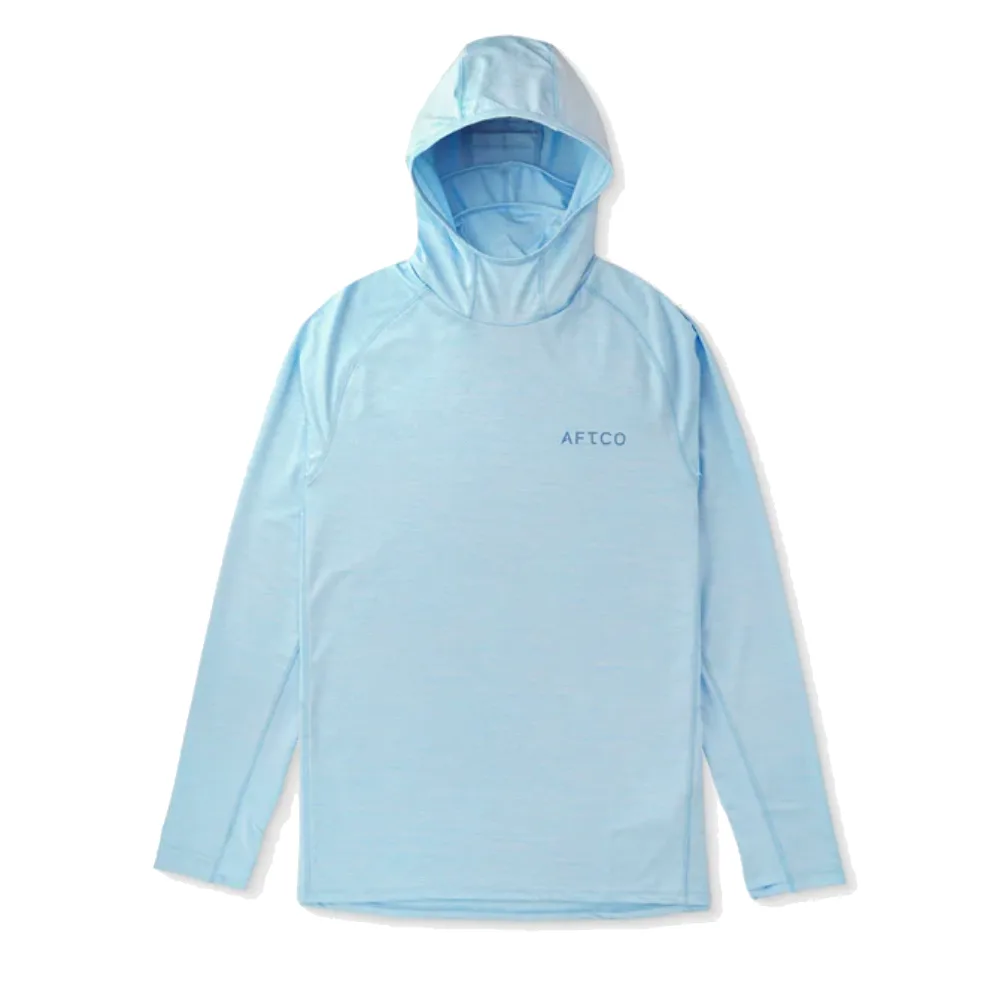
I don't like wearing sunscreen. But I also don't like the idea of getting skin cancer. If you’re like me in those two regards, you’ll like the AFTCO Adapt Tactical Phase Change Performance Shirt. Most of the shirts in our test had hoods, as does this Tactical Phase Change. But this was the only garment with a built-in buff. While a hood protects your ears and neck, it offers little protection to your face for most of the day. With the built-in buff, you have complete coverage if you want it, and you don't have to worry about it staying on your face. The only downside is that the shirt is slightly heavy, and the buff can be cumbersome when not worn.
Duck Camp Lightweight Fishing Shirt
Specs
Materials: Burr Nylon (94 percent), Spandex (6 percent)
Sizes: S - XXXL
UPF Rating: 40+
Pros
Lightweight and breathable
Stylish look
Ventilated cooling panels
Good color options
Cons
Expensive
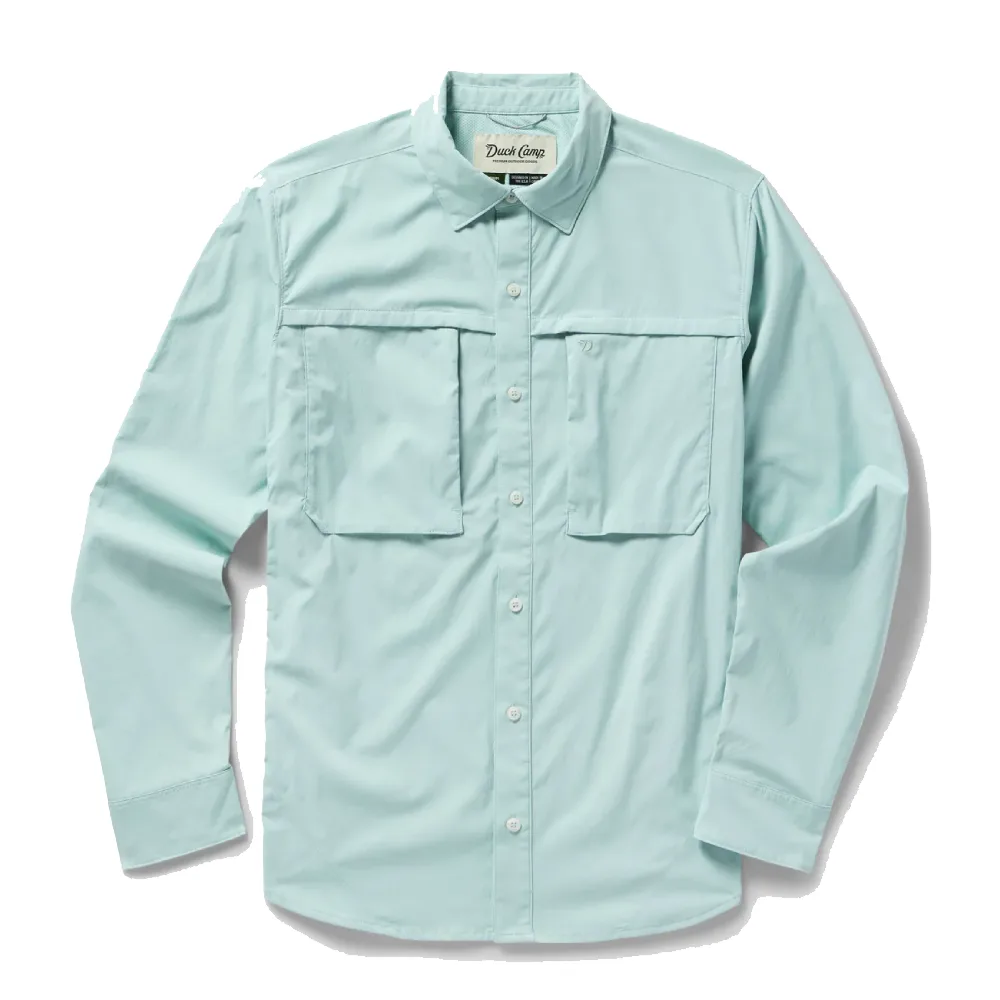
I like to rotate between my fishing sun hoodies and button-ups. Duck Camp's lightweight fishing shirt is my go-to for the latter. It is lightweight, breathable, and stylish. Most importantly, it doesn't restrict me from casting a fly all day. The fit is perfect, and Duck Camp offers this shirt in four colors; ice water is my favorite. —Ryan Chelius
Free Fly Elevate Lightweight Hoodie
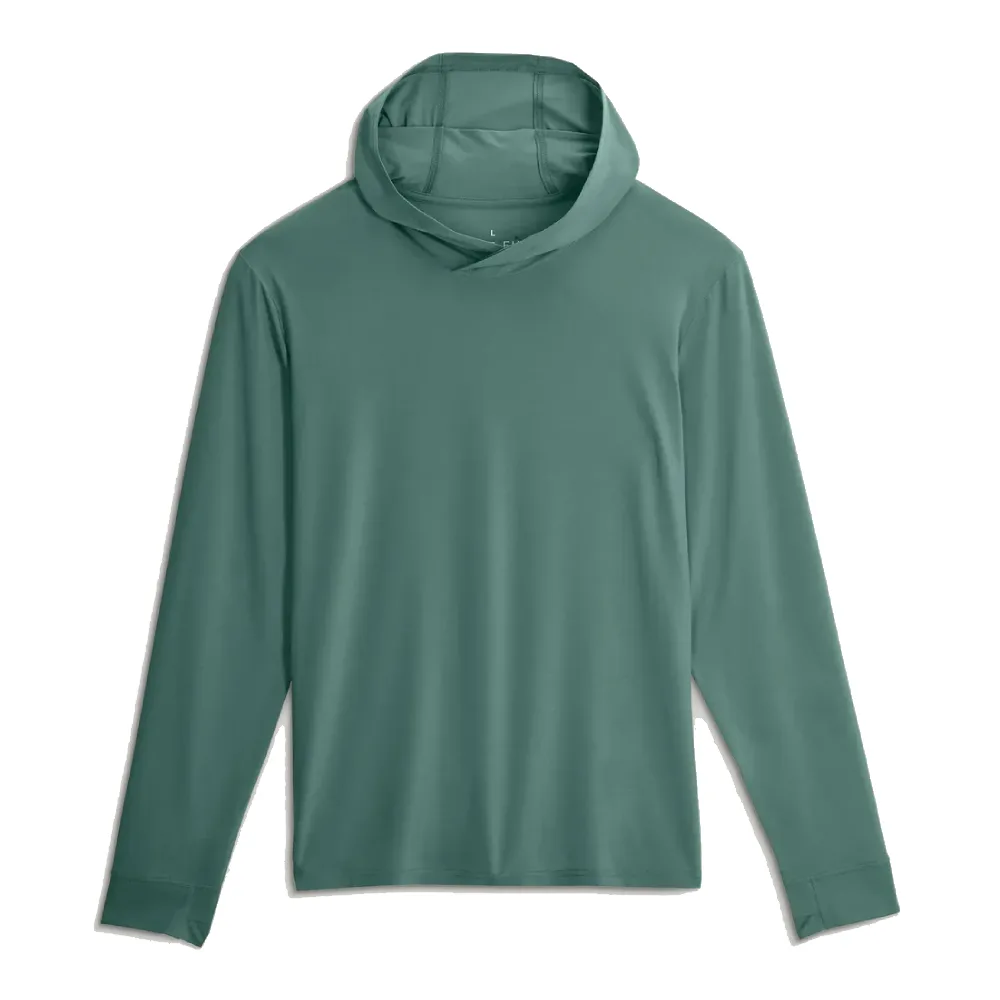
Specs
Materials: Polyester (81 percent), lyocell (11 percent), spandex (8 percent)
Sizes: S - XXXL
UPF Rating: 25+
Pros
Very comfortable
Lightweight and breathable
Four-way stretch
Cons
Material is a little clingy
Free Fly originally took the fly-fishing world by storm, but this isn't just a fly-fishing brand; the company makes some of the most comfortable fishing shirts on the market. The Elevate Hoodie is primarily polyester, with a blend of lyocell and spandex. It was the softest shirt in the test and, as a result, one of the most comfortable. It also has a large hood that offers ample protection and fits true to size. The Elevate Hoodie features cuffed sleeves with thumbholes for added sun protection. I found it to be stretchy, breathable, and comfortable to wear all day on the water.
Field & Stream Line Burner Long Sleeve Fishing Shirt
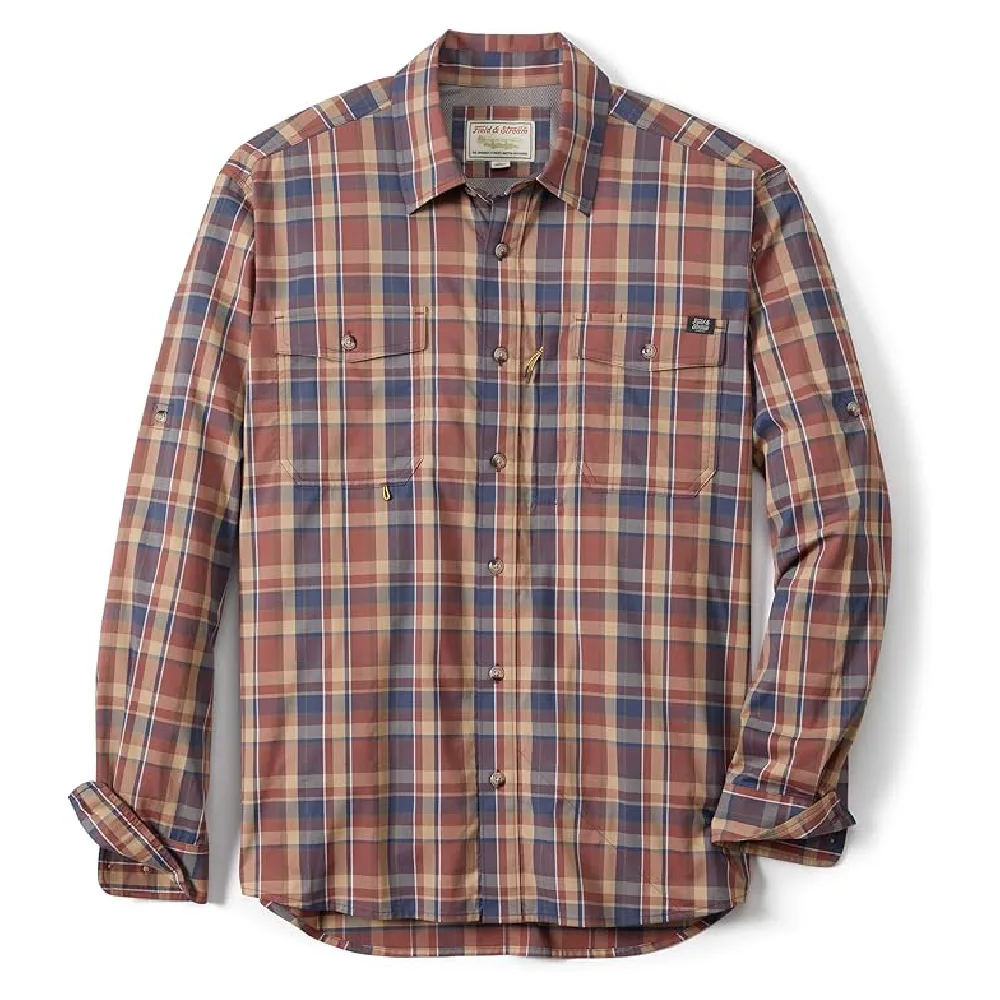
Specs
Materials: Nylon (95 percent), spandex (5 percent)
Sizes: S - XXXL
UPF Rating: 50+
Pros
Comfortable
Built-in sunglass cleaner
Quick-drying
Cons
No solid color options
Let's get the obvious out of the way: I'm writing a Field & Stream fishing shirt review for Field & Stream. But when the editors sent me the shirt, they asked for my honest feedback. So, let's get to it. I was pleasantly surprised by the quality of the F&S Line Burner shirt. After wearing it for several months, I am most impressed by the comfort and durability. It’s a button-down shirt with a UPF rating of 50+. It’s also quick drying, has a little stretch to it, and offers several storage options for fishing gear. While the flannel pattern options aren't bad, I wish they offered them in solid colors. Still, I have no problem wearing this around town after a day on the water.
What to Look for When Choosing a Fishing Shirt
Before you buy any piece of clothing, especially for a specific purpose like fishing, it is helpful to do a little bit of research. With so much of our shopping being online these days, it is much easier to learn about a company’s clothing durability before purchasing. Outdoor clothing, in particular, should be something you can use for several years, if not your entire life. To help guide your buying decisions, read through our buying considerations below.
Shirt Type and Materials
The type of fishing shirt you choose comes down to the kind of protection you are seeking. The most significant difference between shirts is the sleeves and fabric materials.
Long-sleeve shirts: Even during the hottest weather, you can benefit from the added sun protection provided by long-sleeve fishing shirts. Having a shirt made from breathable materials eliminates the risk of overheating while wearing long sleeves. Many long-sleeved shirts also come with roll-up and clip options to shorten the sleeves.
Short-sleeve shirts: If you prefer a little bit of sun on your skin, short-sleeve shirts are an excellent option. Be aware that these will provide far less sun and bug protection. They may keep you a little cooler, but many anglers report that long sleeves keep them just as cool while providing added protection.
Beyond the sleeves, the type of shirt can also be associated with the materials themselves. Fishing shirts are almost entirely made from synthetic materials like polyester and nylon. If the shirt has a higher level of flexibility, it may contain some spandex.
While synthetic materials have excellent performance capabilities, they are all petroleum-based fibers and are among the least sustainable materials available for clothing. Some fishing shirts may be made with a blend of cotton and polyester. Although cotton is hailed as an evil fabric material for outdoor sports, blends perform far better than cotton alone.
Brands like Patagonia produce fishing shirts made from organic cotton and recycled polyester to create a product that performs just as well as competitors while reducing their impact. Be aware that when natural and synthetic fabrics are blended, they are harder to recycle effectively.
There is some traction in using plant fibers for fishing shirts, including one brand on our list, Free Fly. Free Fly makes their fishing apparel from mostly bamboo, and it is making waves in the outdoor industry with its innovative and thoughtful designs.
Protection
Fishing shirts offer specific types of protection from the elements. The two most common forms of protection seen on fishing shirts include:
Sun protection: UPF (ultraviolet protection factor) is what tells you how much UV light can get through fabric and reach your skin. Think of UPF ratings similarly to the ratings on sunscreen. So, the higher the number, the better the protection. As a gauge, UPF 50 fabric is said to repel 98% of the sun’s rays.
Insect protection: the most common insect repellent clothing is treated with is permethrin. Permethrin is an insecticide that has been registered with the EPA for over 40 years and is deemed safe for use on clothing. This is intended to repel ticks and mosquitoes specifically, but can also repel other types of insects. Remember that insect-repellent clothing only protects the areas covered and may wear off over time, requiring re-treatment. Having long sleeves will automatically provide more protection than a short-sleeved shirt. Not all materials inherently have UPF protection, though, and countless insects can bite through or crawl under clothing.
Features
Fishing shirts and vests have a wide array of possible features. Some of the most common features found on high-performance fishing shirts include:
Ventilation: Since most folks fish in warm weather, ventilation is key to staying cool and comfortable when in motion. If it is a button-up shirt, look for ventilation under the arms, on the upper back, and on the upper chest. Additional ventilation features to look for include a mesh lining. Mesh linings prevent that fabric from sticking to your skin if you break a sweat. If it is a pull-over shirt, it may not have specific mesh vents, but the material should be breathable enough to wear in hot weather.
Pockets: Most fishing shirts have at least four pockets, and you likely don’t need more than that. They’ll commonly have two larger pockets on the upper chest to hold a small fly box. Some shirts may also have two smaller pockets for other miscellaneous fishing gear. Some fishing shirts have no pockets at all and are simply intended to be sunshirts worn on the water.
Accessory loops/clips: Many shirts benefit from having a small clip or even a nylon loop near a utility pocket. An accessory loop provides additional storage for clippers, pliers, or retractable gadgets.
FAQs
Q: What is a good fishing shirt?
A good fishing shirt offers appropriate comfort, protection, and functionality. Most high-quality fishing shirts are made from quick-drying, breathable materials. Button-up shirts will have anywhere from 2 to 6 pockets and additional features that provide more organization as you fish. Pull-over shirts should have high levels of sun protection. In either case, a good fishing shirt should also be durable enough to last you several years of use.
Q: How much does a fishing shirt cost?
How much a fishing shirt costs is related to the quality and ethics of the clothing company. Fishing shirts range in price from $15 – $100+ with many well-known brands selling shirts for around $45-90.
Q: What is special about a fishing shirt?
What is special about fishing shirts can be boiled down to the ventilation, sun protection, and pocket systems they offer. The materials will be quick-drying, offer sun protection, and are exceptionally breathable. If so equipped, the pockets need to be designed to hold tackle and other on the water necessities.
Q: What is the difference between UPF and SPF?
The difference between UPF and SPF is that UPF (ultraviolet protection factor) measures how much UV radiation can move through the fabric and reach your skin. Then, SPF (sun protection factor) is based on how long it takes UV-exposed skin to burn or become red. Additionally, only UPF measures both UVA and UVB penetration. The higher the number for both UPF and SPF, the better protection you’ll have.
Q: Is it better to wear long sleeves or short sleeves while fishing?
It is usually better to wear long sleeves while fishing. Long sleeve fishing shirts provide several protective benefits from sun exposure, insects, aquatic creatures, and poisonous plants. Some people may prefer short sleeves while fishing though, so it often comes down to personal preference.
Q: What color shirt is best for fishing?
While some anglers like to wear shirts that blend into the background (like camo on a river), the color of your shirt doesn’t matter that much when it comes to spooking fish. I like to wear a light colored shirt to avoid absorbing rays when fishing in hot weather.
Q: How do I clean white fishing shirts?
Check the tags on your fishing shirts to make sure they can be thrown in the wash. Most fishing shirts will do fine in a like-colored wash. I prefer to hang-dry my fishing shirts to avoid shrinking.
Why Trust Us
For more than 125 years, Field & Stream has been providing readers with honest and authentic coverage of outdoor gear. Our writers and editors eat, sleep, and breathe the outdoors, and that passion comes through in our product reviews. You can count on F&S to keep you up to date on the best new gear. And when we write about a product—whether it’s a bass lure or a backpack—we cover the good and the bad, so you know exactly what to expect before you decide to make a purchase.
