
As most of you probably know, Hoyt is best known for their carbon-riser bows. Each year, when we ask them to send us a single new flagship model for our annual bow test, it's almost always a carbon-riser model that shows up in the mail. But to be clear, Hoyt builds excellent aluminum-riser compounds, too. And they must be excited about their new 2026 flagship aluminum Alpha X-3, because that's what they sent to represent their brand in our next big bow shootout.
Last year's, Hoyt Carbon RX-9 was a great bow that did very well in our 2025 test. But it missed our top spot for a few reasons: it featured no on-board easy-tune system, the draw cycle was a bit rigid, and the back wall a little jumpy. Out of the box, I could see immediately that the new Alpha X-3 solved at least one of those issues, with the company's all-new tuning system.
The new X-3 represents the third generation in Hoyt's Alpha line and comes in four models, the AX-3 29, AX-3 33, AX-3 33 LD (Long Draw), and AX-3 SD (Short Draw). I received the AX-3 33 for testing. Below is my full review, including how I set up and tested Hoyt's third-generation Alpha, and how it fared.
Hoyt Alpha AX-3 33 Specs
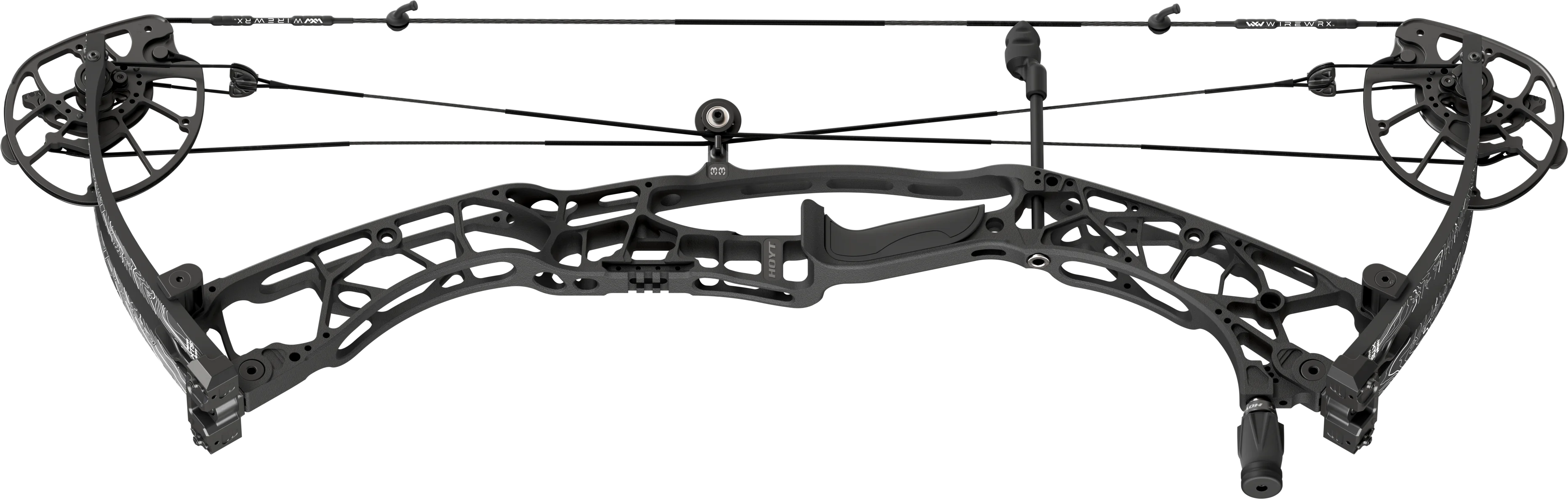
Axle-to-Axle: 33-5/16"
Weight: 4.75 lb.
Draw Length: 26-31"
Max Draw Weight: 40, 50, 60, 70, 80 lb.
Advertised Speed: 340 fps
MSRP: $1,599
Hoyt Alpha AX-3 33 Overview
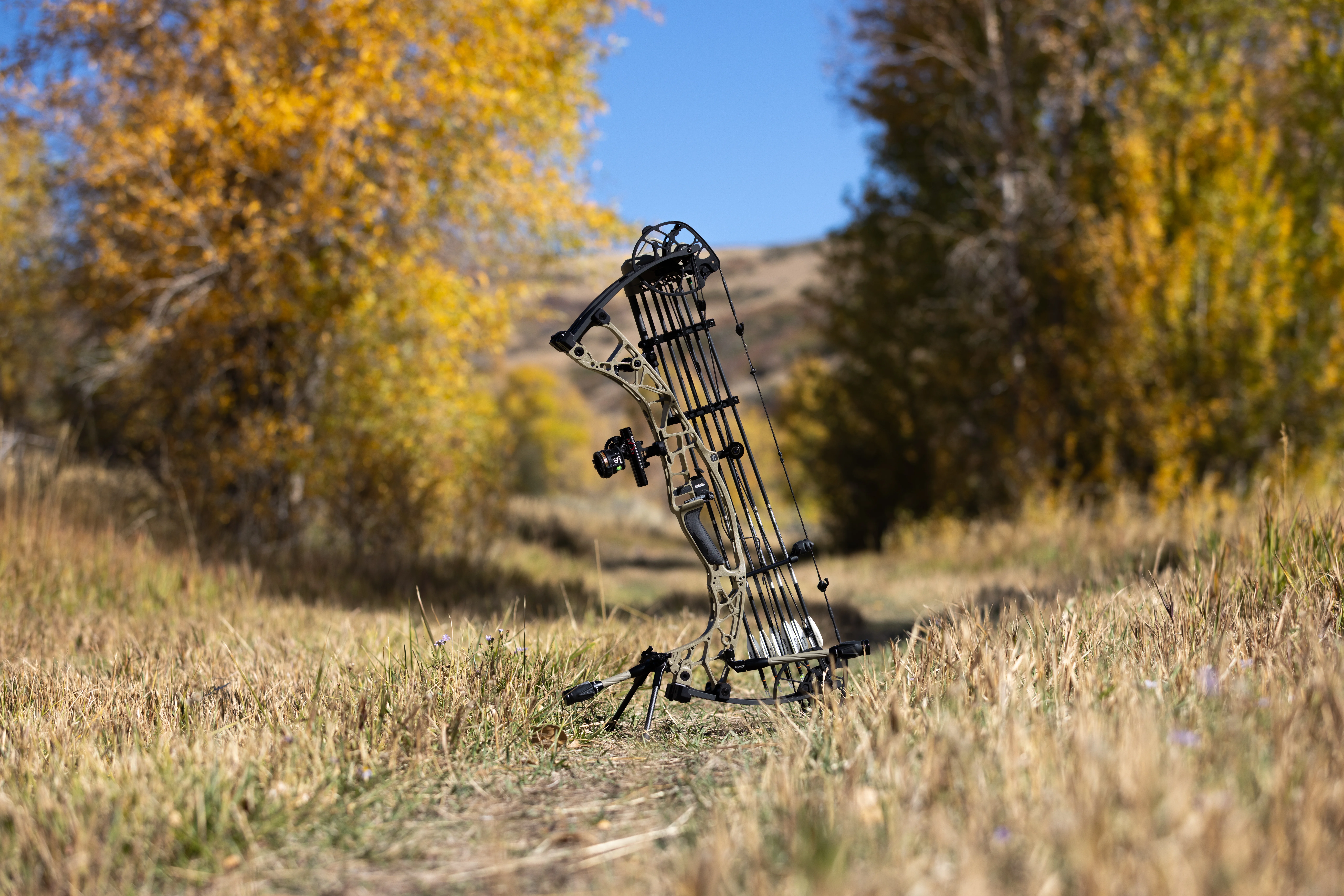
Before we delve into what Hoyt did differently in 2026, I want to touch on some welcomed returners in the bow's technology lineup. The HBX Gen 4 cam system with 1/4-inch draw-length adjustments (no bow press needed) is back. I've yet to test a cam system that allows for more precise, straightforward draw-length adjustment. As in years past, the cam system offers a trio of let-offs (70, 75, and 80 percent). Swapping between let-off settings is a breeze, which involves just removing a single set screw on the top and bottom cable stop arm. Once again, shooters can choose between a Hard or Xtra Hard backwall. I shoot a hinge and prefer to pull into a slight valley, so I prefer the Hard setting. But the point is: It's nice to have a choice.
The aluminum riser wears the same In-Line Accessory system; the riser's front features three Pic-rail slots for sight attachment. The back of the riser sports two grooved slits to accept IMS System rests, which make the Berger hole obsolete and allow for rest mounting directly to the back of the riser. The In-Line System lets bowhunters take advantage of the most innovative accessories on the market, reduces overall bow weight, and streamlines accessory attachment.
I was thrilled that Hoyt discontinued its Fuse line of strings. I was never a fan. Back for 2026 is Hoyt's WireWRX bowstrings. Available in several colors, these strings shoot-in quickly and resist peep rotation. What is brand-new for this year, besides the new colors, is Hoyt's XTS Tuning System. Deep down, I knew it was coming, and I applaud Hoyt for taking this step. The manufacturer had fallen a bit behind in the tuning arena and has now fixed the issue.
The patent-pending XTS Tuning System is capable of correcting left, right, up, and down paper-tuning tears up to 1-inch via an Allen wrench system that requires the loosening of the shuttle block locking screws on the top of the limb pockets and making turn adjustments to the bolt inside the pocket. The system is simple, and Hoyt provides a 2026 Hunting Bow Whitepaper guide that walks you through the entire process.
Related: Best Compound Bows of 2025, Tested and Reviewed
Alpha AX-3 33 Bow Build
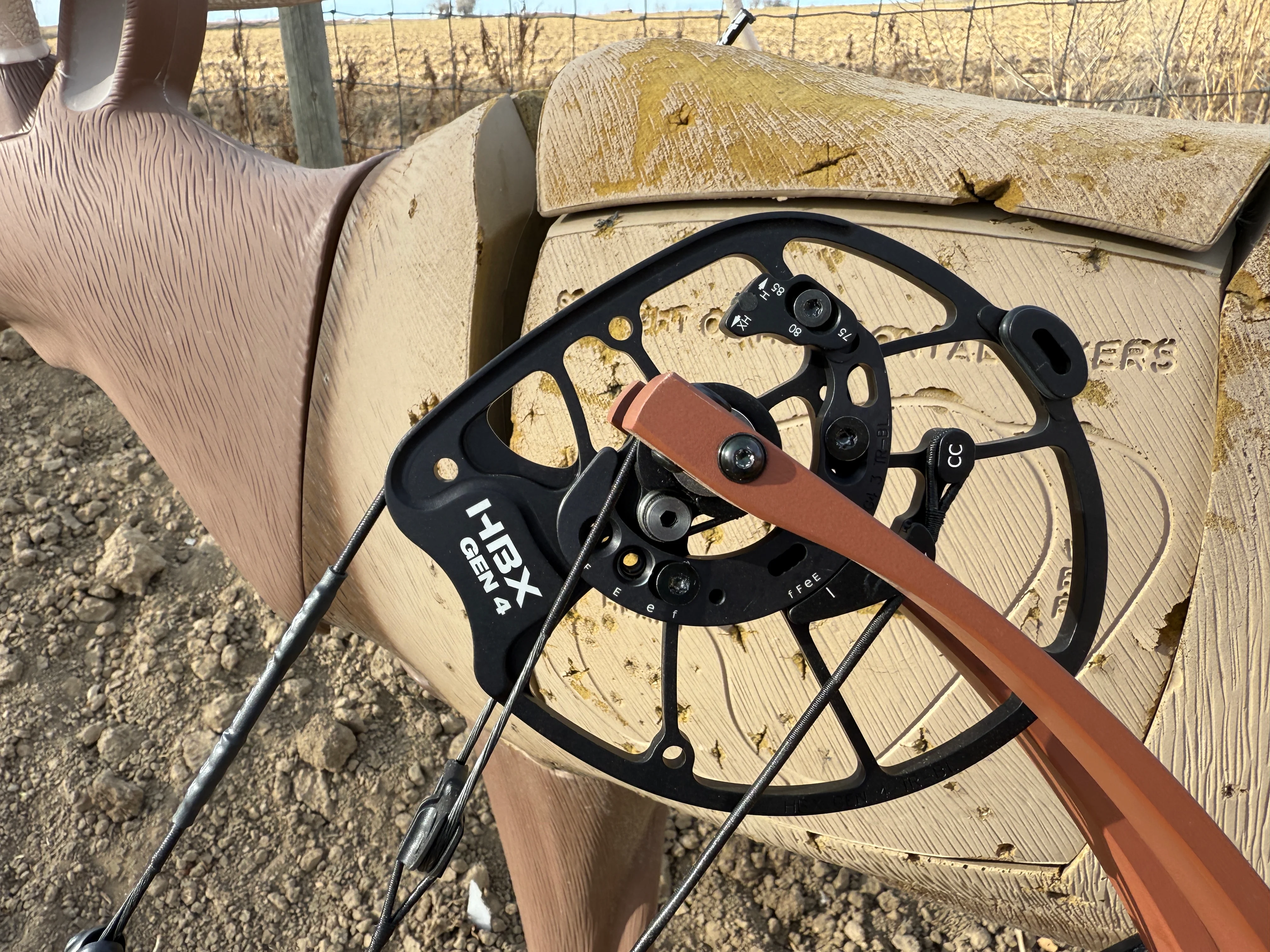
Bow setup was straightforward. My HBX Gen 4 cams came set at 29 inches, so I didn't need to make any adjustments. If you do, it's a simple matter of removing the three module screws and rotating it to the appropriate laser-engraved letter. Hoyt provides a scannable QR code that guides you through the letter system.
My digital bow scale measured the draw weight of the 70-pound bow at 73.12 pounds. Always one to double-check, I visited my friend's archery shop, and his scale showed 73.14 pounds. Soon, when I begin the 2026 F&S Best Compound Bow Test, I will adjust the AX-3's draw weight as close to 70 pounds as possible, but for this field test, I left it. I checked for limb-bolt chatter, and, as suspected, there was none. Hoyt has always crafted a solid limb-to-pocket-to-riser build, and the AX-3 33 follows suit.
Accessory attachment was a breeze. I attached QAD's Integrate MX2 rest to the back of the riser, pressed the bow, and slid the rest's timing cord into the down cable. I timed the rest using a Last Chance Archery draw board. My sight was Spot-Hogg's Boonie 5-Pin Pic-Mount, and I inserted a 3/16" peep between the string strands.
Though I have some Easton FMJ Max arrows on hand for testing, I haven't fully swapped yet. I tested the AX-3 33 with a variety of arrows, but primarily with Easton's 5.0 Match Grade, with which I took five big-game animals in 2025. My 5.0s wear four Flex-Fletch Pro 2.5 vanes, 100-grain field points, HIT inserts, HIT Collars, and Lumenok lighted arrow nocks.
The Alpha AX-3 33 On The Range
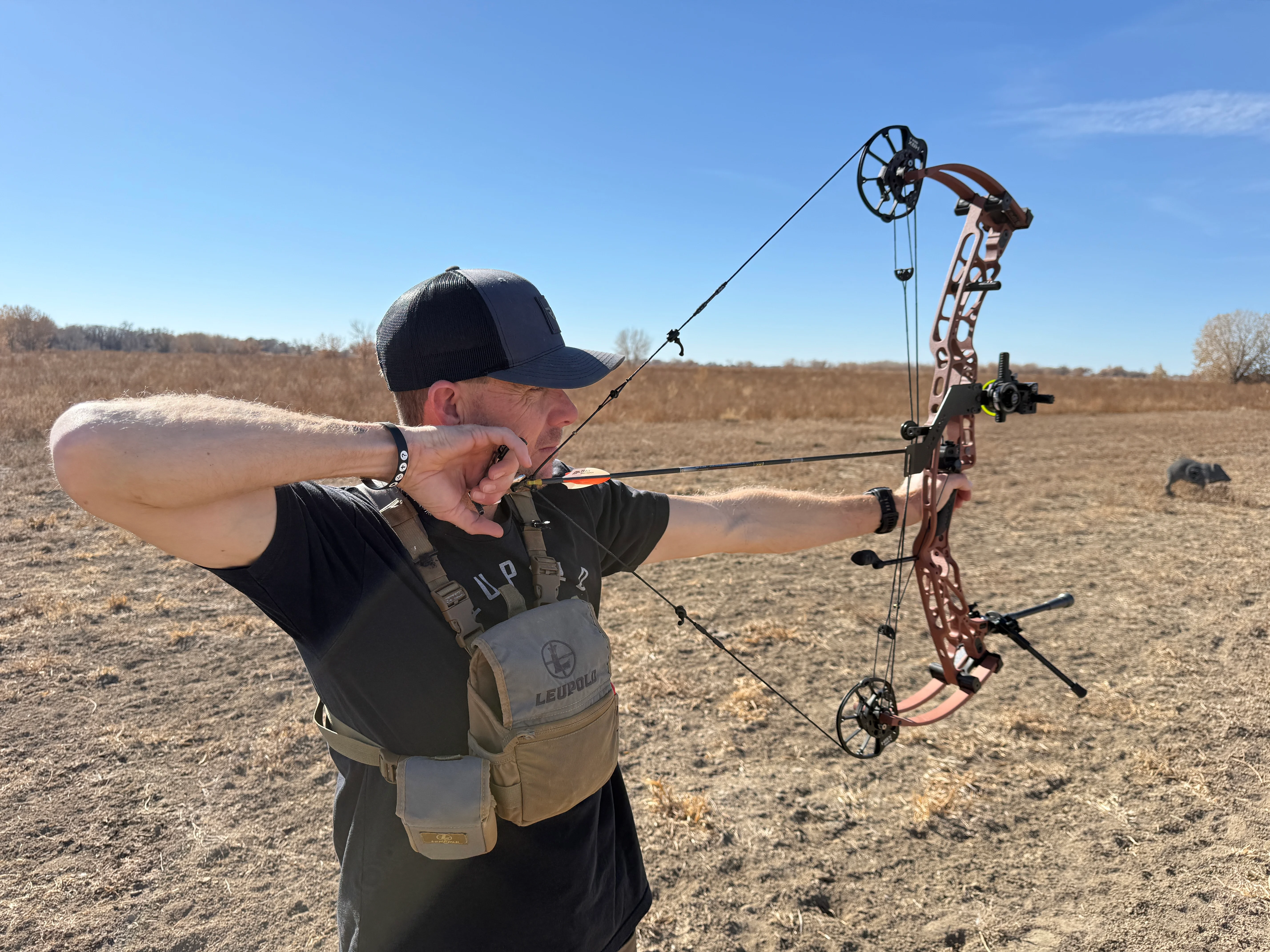
One of the first things I do with any Hoyt bow is remove the grip. I'm a direct-to-riser guy. However, for some reason, the thin, tacky, rubber overmold grip on the AX-3 33 felt great in my hand. The more I shot the bow, the more I favored the grip. Should you need to remove it, use your fingers to get under the rubber and just pull it off.
One of my biggest complaints with Hoyt's 2025 RX-9 was its draw cycle and back-wall feel. Hoyt claimed the RX-9 set at a 70-pound draw weight felt like 60 pounds. I strongly disagree. And though the bow aimed well thanks to the same geometrical design that shifts bow alignment from brace to full draw to improve bow stability and reduce torque, the bow's back wall was jumpy.
A X-3 33 is a big improvement. My 73.12-pound draw-weight test bow drew like silk. The transition to let-off was gentle; the backwall provided some give, and when I relaxed slightly to allow my release to fire the bow, it didn't want to pull my shoulder through the riser. With the AX-3 33, 73.12 pounds feels like a 65-pound draw-weight bow.
At full draw, the longer axle-to-axle bow sits like a well-trained retriever. The In-Line System does its job. Because the accessory weight is in line with the riser, the bow doesn't feel tipsy, and the bow's overall design, developed by Hoyt engineers when building the manufacturer's Concept X target bows, improves the archer's natural point of aim. This bow flat-out shoots, and it's exceptionally quiet. The bow produced a three-shot dB rating of 62.2, which is quieter than the Hoyt RX-9 Ultra (63.1 dB), which received our Quietest Bow award in 2025.
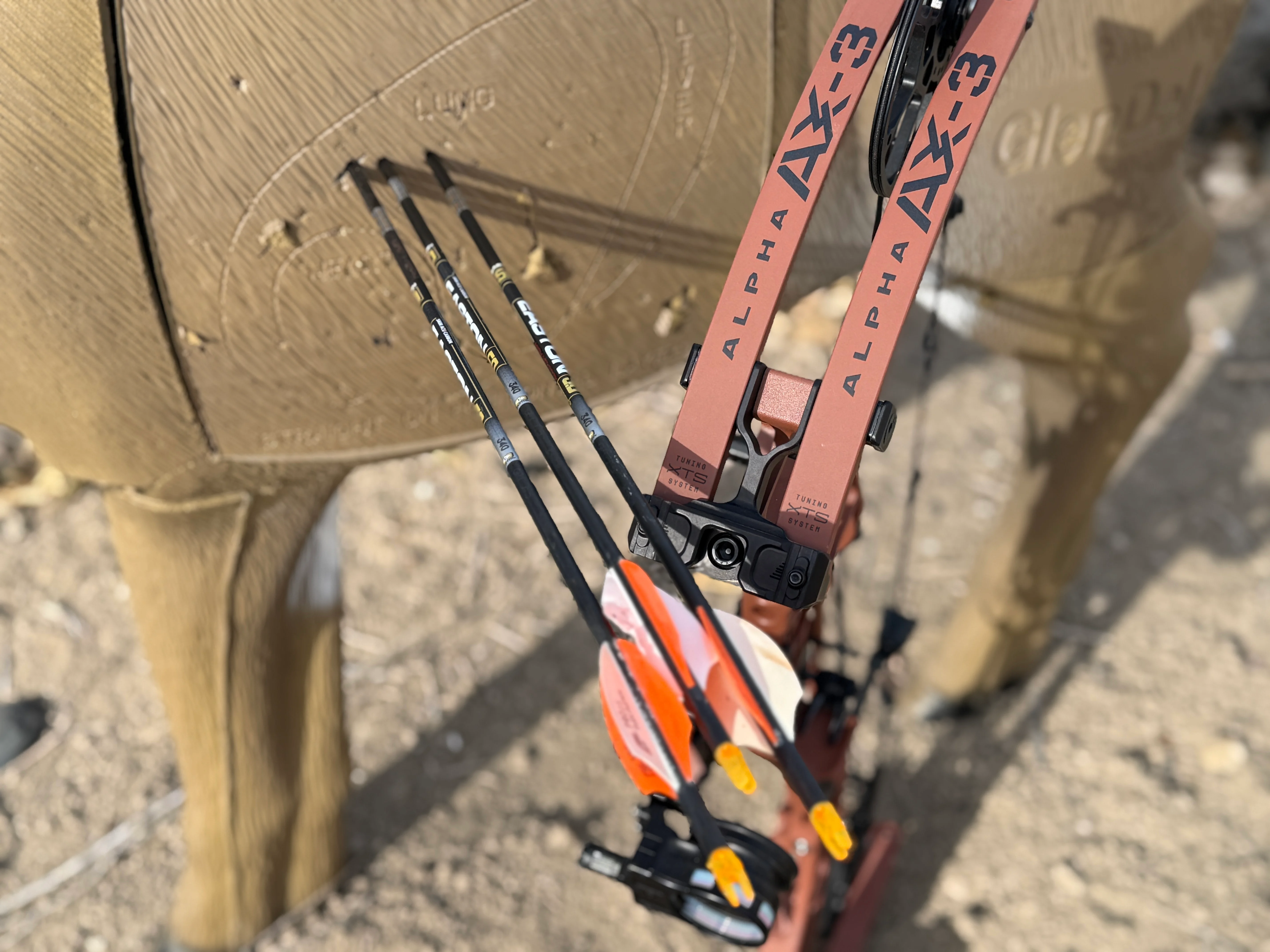
Over the course of a week, long before I entirely tuned the AX-3, I put over 250 arrows through it. The bow consistently found the 12 and 10 rings on 3-D targets and produced sub 1-1/2-inch groups from 50 yards with field points and mechanical broadheads. I did shoot nine three-arrow fixed-blade groups with 100-grain Muzzy Trocars and 100-grain QAD Exodus fixed-blades, and my 50-yard groups opened to an average of 1-3/4 inches.
Though I'd yet to shoot the bow through paper or a chronograph, it felt spooky-fast, but was absolutely hushed and dead in hand. The 6-3/8-inch brace height is forgiving, and I knew after just a handful of arrows that Hoyt built a 2026 aluminum worth its salt.
Related: How to Buy Your Perfect Compound Bow
Hoyt Alpha AX-3 33 Final Tune
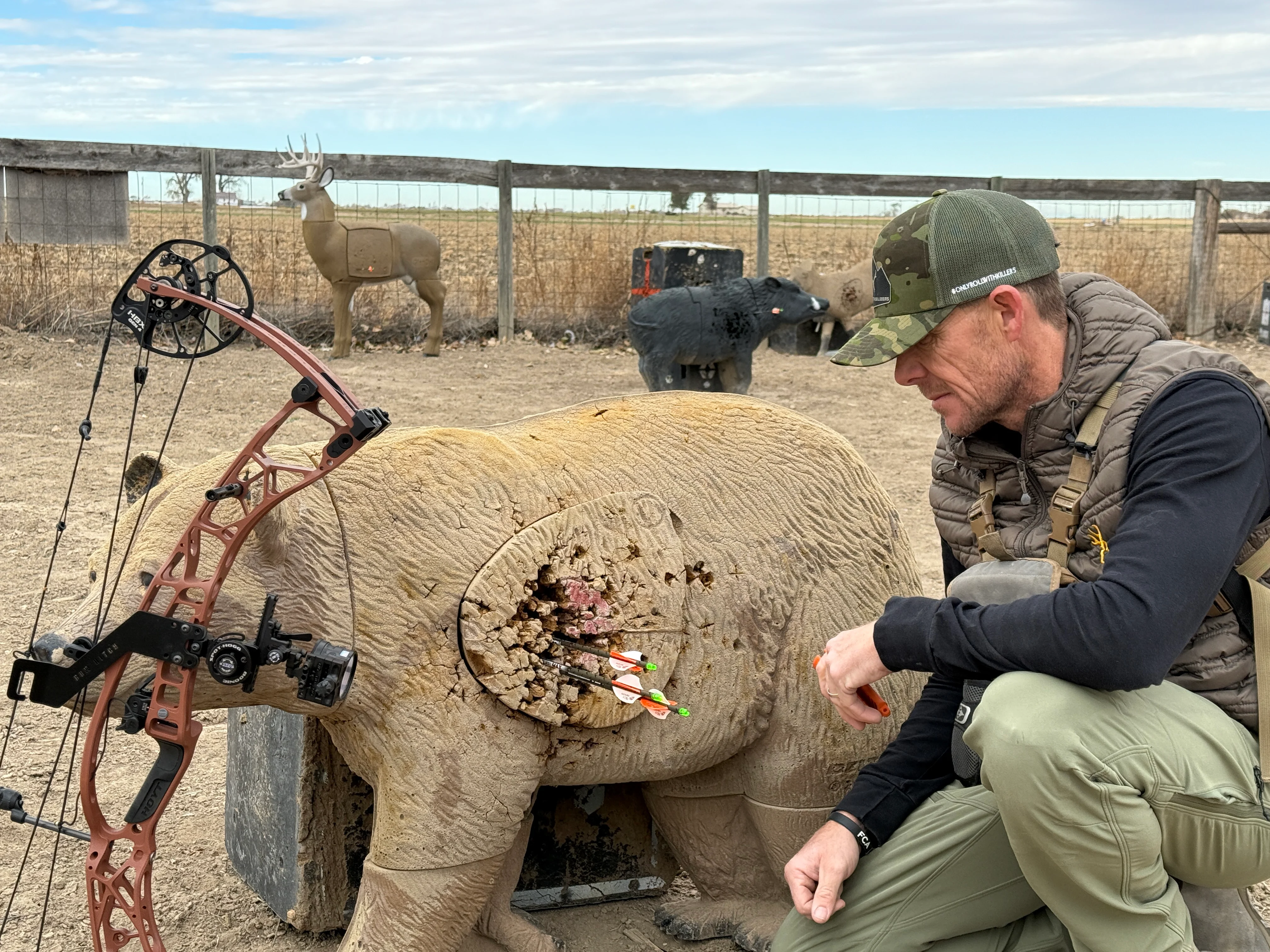
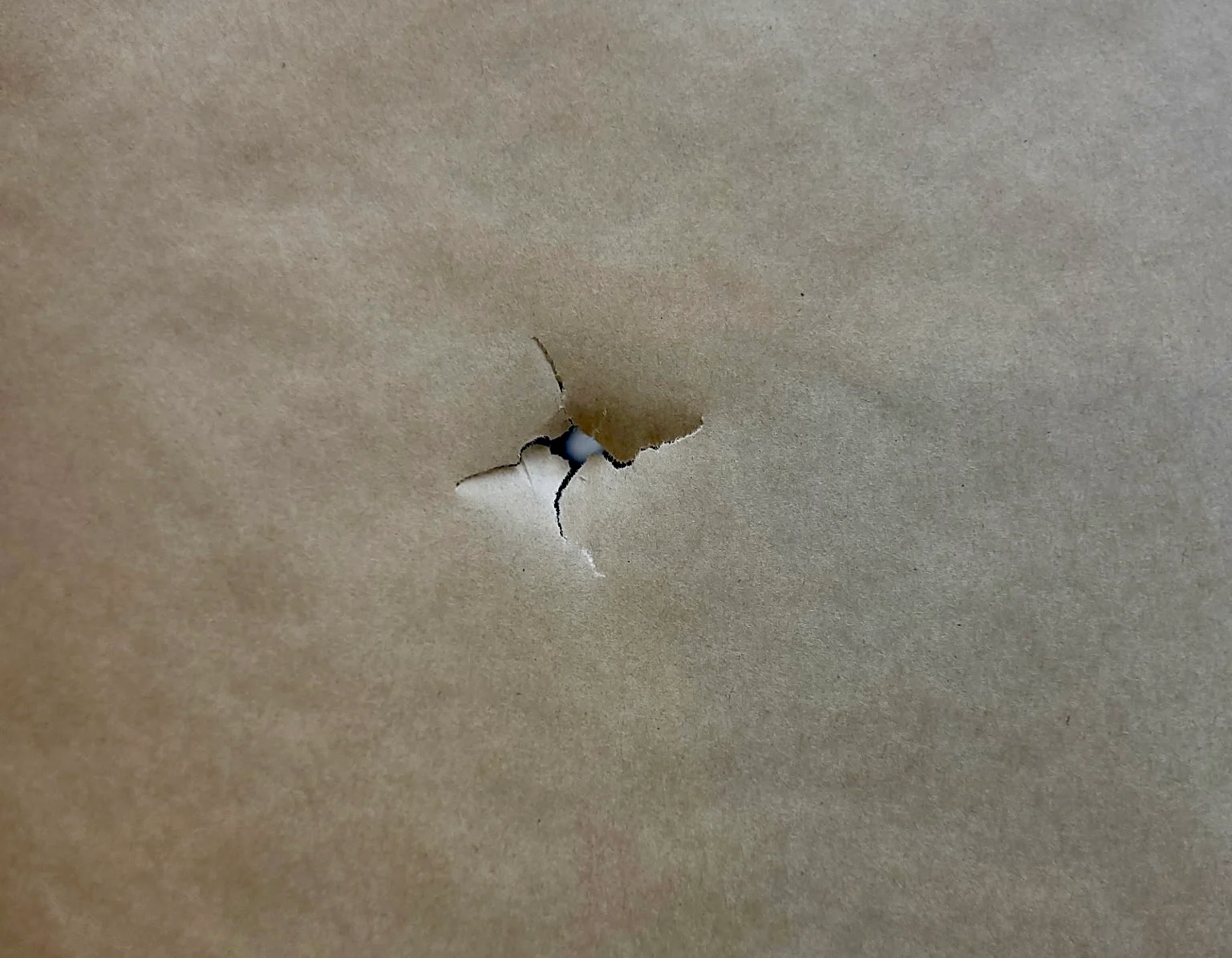
I don't fully tune a bow until I get it shot in. I recommend you do the same. Strings stretch, and you need to get familiar with a bow's grip and general shootability before you start sending carbon through paper.
My first shot through paper with the AX-3 33 produced a right-hand paper tear of less than 1/2 inch. My bare shaft produces a similar tear. Using Hoyt's downloadable White Paper, which walks you through every phase of the XTS Tuning System, I loosened the shuttle block locking screws on the top and bottom limb pockets.
Next, with the bow facing toward me—the front of the limb pockets facing me—I inserted the same 3/32 Allen wrench into the top right hole beneath the shuttle block screw and made a half clockwise turn. I repeated the process on the bottom-right limb, then did the opposite (a half-counterclockwise turn) on the top and bottom-left limb holes. Every time you make a clockwise turn to either limb, tension is increased, which means the draw weight goes up. When you decrease stress on the opposite limb, you balance limb tension. This means you don't have to make a sight change every time you make a tuning adjustment. I had the AX-3 33 paper tuned in under 3 minutes. Plus, if you discover your left or right tear is greater than 1 inch, you can still remove the axle pins and swap or add new shims.
With the bow tuned, I shot a 300 5-Spot round with 32 Xs and a 12 3-D target round of 122. The bow produced a three-arrow average speed of 316 fps; 8 feet per second faster than last year's Carbon RX-9 Ultra. Keep in mind, this is set a tad heavier at 73.12 pounds (instead of 70 even). Still, the bow is fast.
Final Thoughts On The Hoyt Alpha AX-3 33

Pros
XTS Tuning System
Accurate
Deadly quiet
Customizable cam system
Cons
I'd have to make one up
What makes a bow manufacturer great is a willingness to recognize shortcomings and make improvements. While Hoyt has lived at the top of the compound bow food chain for years, they had taken a slight step backward in regard to some technology. For 2026, Hoyt raises the bar, and the Alpha AX-3 33 is sure to be one of the very best compound bows in 2026.