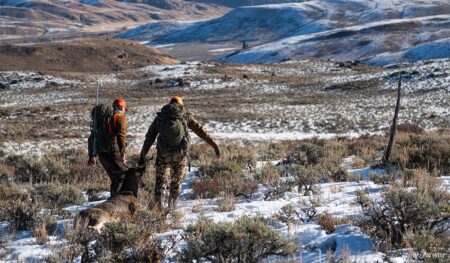
Over the last few months, the Idaho Department of Fish & Game (IDFG) has killed 82 wild mule deer after the animals made their way into a high-fence elk hunting operation through gaps in the facility's enclosure. The incident took place in hunt unit 60A, in the southeastern part of the Gem State, according to an agency press release.
Hunters began spotting mule deer inside the high-fence elk ranch in October 2025 and reported the breach to IDFG, according to state biologist Matthew Pieron. "There were multiple places where it was apparent, based on tracks, that deer had been coming in and out of the facility," he tells Field & Stream. "The actual control actions that we took included using public hunters through our depredation list, along with some removal efforts by our staff throughout December and January." The IDFG press release states that the "difficult decision [to kill the enclosed mule deer] was made out of an abundance of caution to prevent any possible spread of CWD."
Idaho saw its first case of Chronic Wasting Disease in high-fence elk back in late 2024, according to the state's Department of Agriculture. That was in a domesticated bull elk being held in a Madison County facility, adjacent to the ranch where 82 mule deer were recently culled.
Idaho's first case of CWD in wild cervids showed up in 2021, when two mule deer in the west-central part of the state tested positive for the always-fatal neurological disorder. Of the mule deer killed in the recent incident, all 76 of the animals tested thus far have come back negative for CWD.
Pieron declined to name the high-fence facility where the breach took place when asked by F&S, though he did say that the ranch was in the middle of a major big-game winter range. "There are thousands of deer that use this as transition and winter habitat. It's a very large facility, thousands of acres." The IDFG does not have any jurisdiction over how game-farm fences in the state are managed or secured, Pieron notes.
According to Nick Fasciano, Executive Director of the Idaho Wildlife Federation, there are 44 such facilities scattered throughout the Gem State. "It's concerning to see this interface of wild ungulates with these domesticated herds," he tells F&S. "Particularly given the potential for CWD transmission from captive to wild ungulates. These wild herds belong to everyone. They are part of the public trust."
In Idaho, high-fence game farms are regulated by the state's agricultural department rather than the IDFG. Back in 2024, the legislature passed House Bill 591, which, according to the Capitol Sun, "eliminated the requirement to place double-fencing around domesticated game animals infected with CWD. The law also allowed for the transfer of potentially infected animals to other facilities under the same ownership."
“When you see restrictions loosened like that and then you see positive CWD results in captive herds, and wild herds mingling with captive herds the very next year, or two years down the road, it’s concerning,” says Fascio. “It’s an area that has to be addressed.”
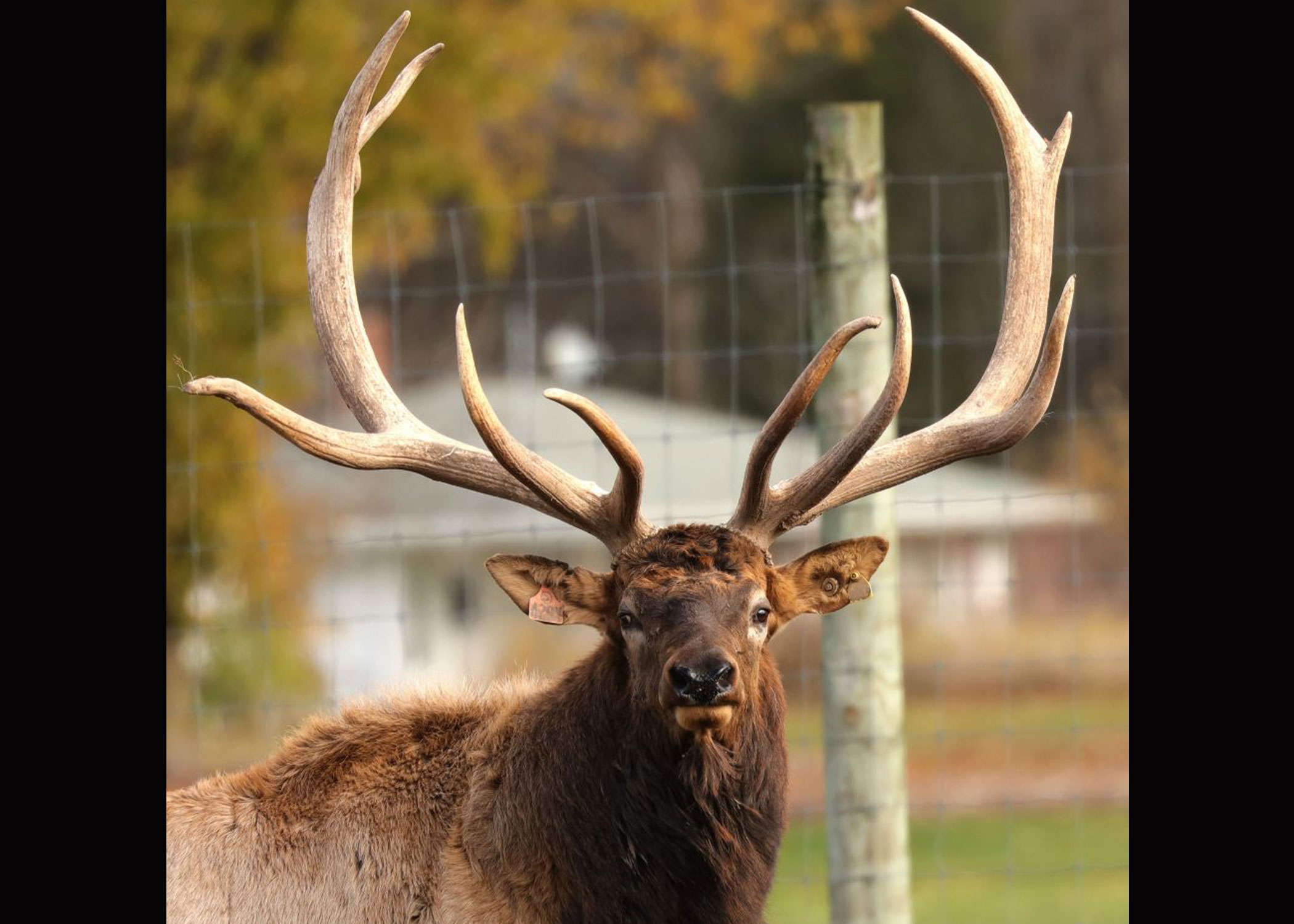
High-fence hunting operations often stir controversy. The neighboring state of Montana outlawed the practice writ large via referendum in 2000, and the Boone and Crockett Club does not consider animals killed in enclosures for its big-game record books.
Read Next: Upcoming Senate Vote Could Fast Track a Banned Mine on the Edge of The Boundary Waters
Fasciano says the recent incident underscores the need for Idaho hunters to stay engaged on the CWD issue. "Our mule deer herds migrate and move all over the landscape. Some of these facilities are near ag land or riparian areas where there are decent whitetail populations," he says. "If [wild deer and elk] are able to occupy the same space as these captive herds, CWD could be transmitted through soil, it can pass through urine and feces, as well as contact with live animals that might have the disease. That's a situation we want to avoid."
THE 1871 CLUB