In late February, Secretary of the Interior Doug Burgum revoked two critical safeguards for one of Alaska’s best public-land hunting-and-fishing destinations. Enacted in the early 1970s, Public Land Orders 5150 and 5180 apply to millions of acres of BLM land along both sides of the Dalton Highway—a popular byway that leads to the North Slope of the Brooks Range. In addition to opening the protected corridor around the Dalton to energy development and road building, Burgum’s latest move could cede these federally managed public lands over to state control.
According to a press release issued February 20, 2026, the move will open “approximately 2.1 million acres of public land to location and entry under the public land and mining laws … expanding opportunities for resource development.” The release goes on to say that DOI will make the BLM-managed lands along the Dalton Highway eligible for transfer to the state under the Alaska Statehood Act, and that the agency is working with Alaska to identify the lands it would like to take title to.
It’s important to note that Congress paved the way for Interior’s latest action in Alaska when it overturned a Resource Management Plan for the central Yukon area back in September 2025. This unprecedented use of the Congressional Review Act (CRA) caused an uproar in the conservation community, with many calling it an illegal legislative manuever. Members of Congress have since used the CRA in attempts to overturn protections for the Boundary Waters Canoe Area Wilderness in northern Minnesota and, more recently, protected National Monuments in Utah.
A Hunting Paradise in Peril
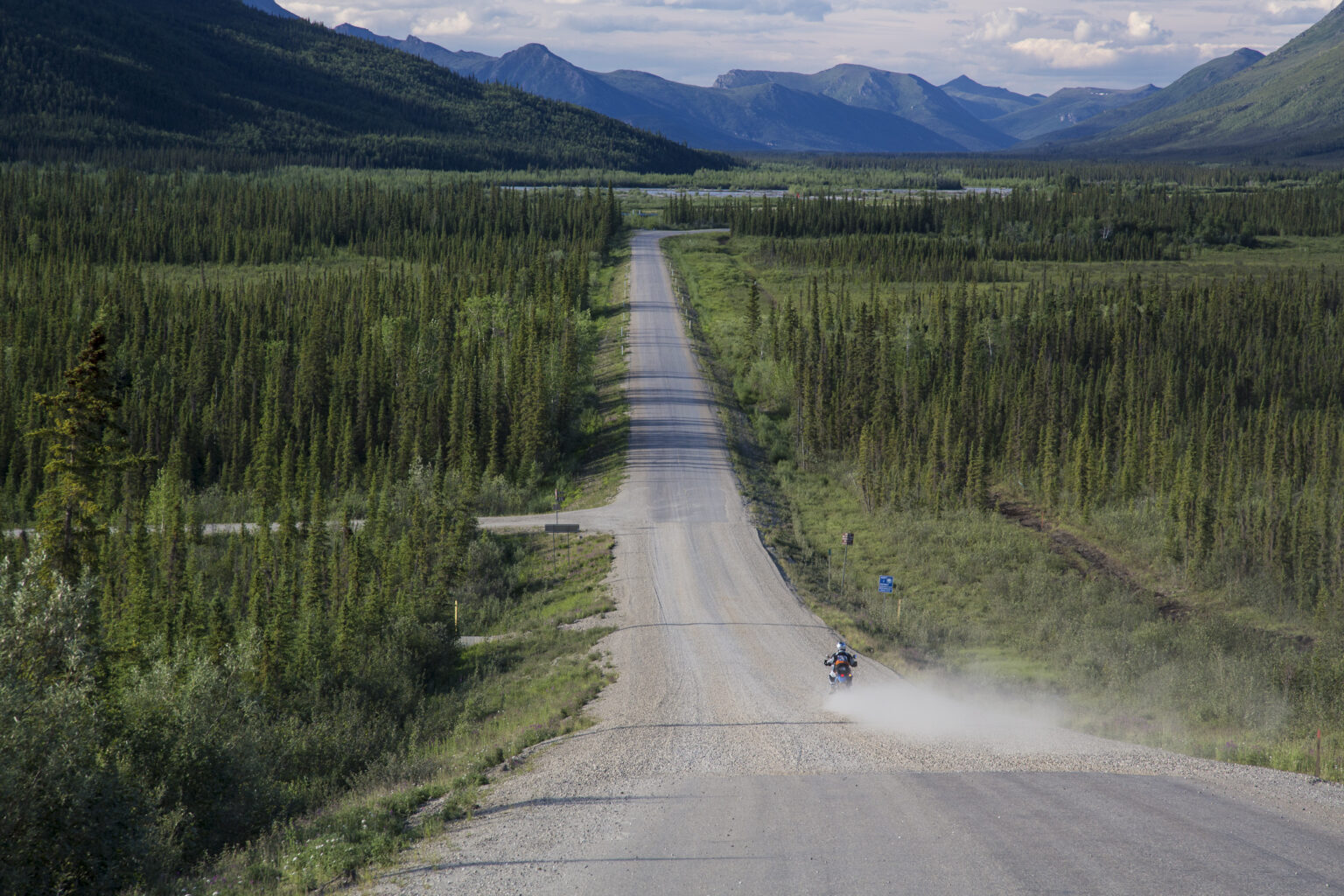
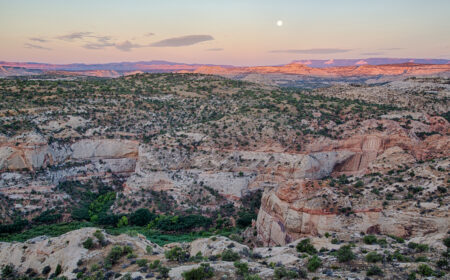
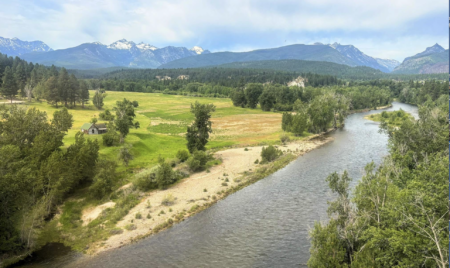
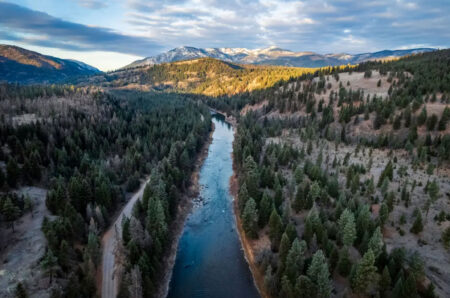
The BLM-managed land along the Dalton Highway is a bucket-list destination for hunters and anglers from all over the country. The five-mile corridor immediately beyond the road is famous for its archery-only caribou hunts, along with world-class fishing for grayling, Dolly Varden, and other sportfish. Those who venture beyond the five-mile archery buffer find more rugged rifle hunts for caribou and trophy bull moose.
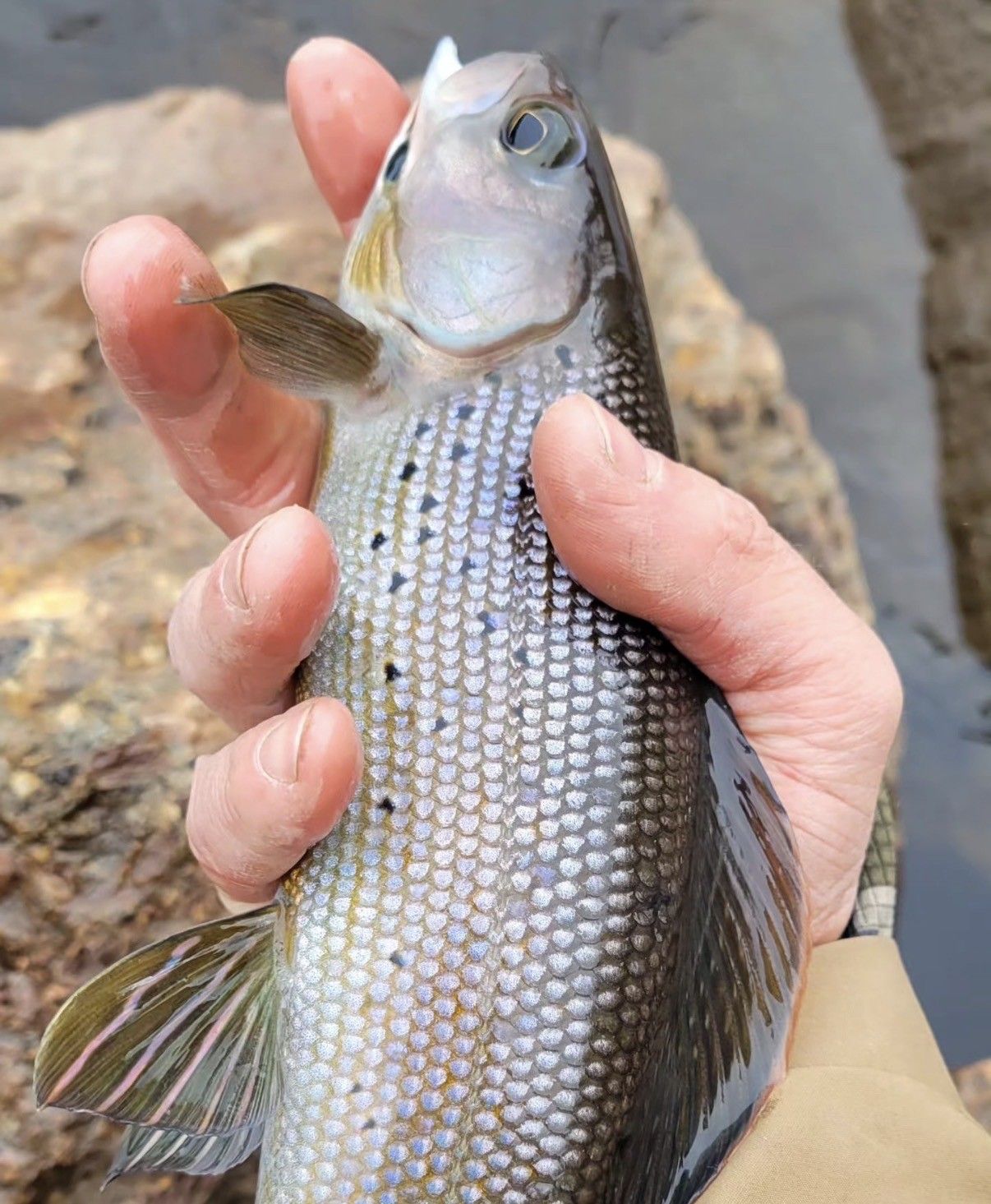
A healthy grayling caught near the Dalton Highway. (Photo by Ryan Shuman)
In a statement shared with Field & Stream, the Alaska Chapter of Backcountry Hunters and Anglers expressed its opposition to DOI’s plan to open the Dalton Corridor to energy development and potential state transfer. “Alaska’s year-round outdoor lifestyle isn’t a myth—it’s how many of us live,” said Alaska BHA Chapter Coordinator Mary Glaves. “But with the rollback of safeguards like PLOs 5150 and 5180, we’re seeing a quiet erosion of that way of life through rushed land transfers, land sales, and short-sighted industrial development. We are also seeing the erosion of public process in the management of public lands, which is equally if not more concerning.”
As Glaves alluded to in her statement, there was no public comment period leading up to DOI’s announcement of its ambitious plan to strip protections from the Dalton Corridor, only a press release and a new Public Lands Order titled “Revocation of Public Land Orders 5150 and 5180, North of Yukon River”—which hit the Federal Register on February 26.
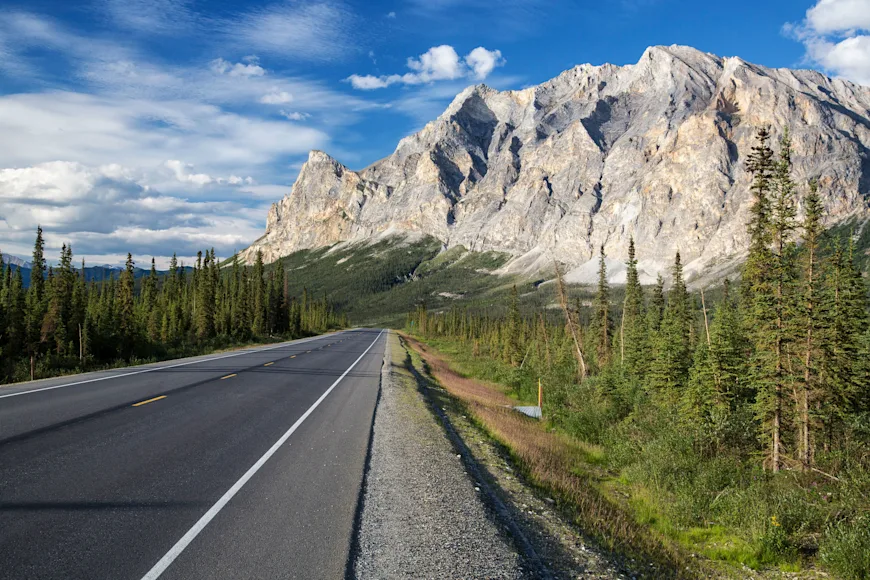
A mountainscape seen from the Dalton Highway. (Photo Courtesy Bureau of Land Management)
Barry Whitehill is a founding member of BHA who’s hunted and fished along the Dalton Highway since he moved to Alaska in 1992 to work for the US Fish & Wildlife Service on the Kanuti National Wildlife Refuge, which borders the Dalton to the West. He tells Field & Stream that he uses the Dalton to access prime moose and caribou hunting beyond the archery corridor via hiking, multi-day float trips on adjacent drainages, and by using sled dogs. “It’s a one-of-a-kind DIY opportunity, which is great for people who can’t afford to fly into some of these more remote areas—but that type of experience will be lost if these changes go through,” he says.
Whitehill says hunters and anglers will have to contend with a marked increase in industrial traffic in the wake of the new Order; not just on the Dalton itself, but in the protected corridor beyond the road. It’s a change that’s sure to sully in area’s unmatched wilderness character, he says. “And if you open the land beyond the five-mile archery corridor, even to recreational, motorized traffic, it’ll completely change the game,” he says. “That dream that so many people in the Lower 48 have of coming up and experiencing the Last Frontier, it’s going to get more and more fleeting after this.”
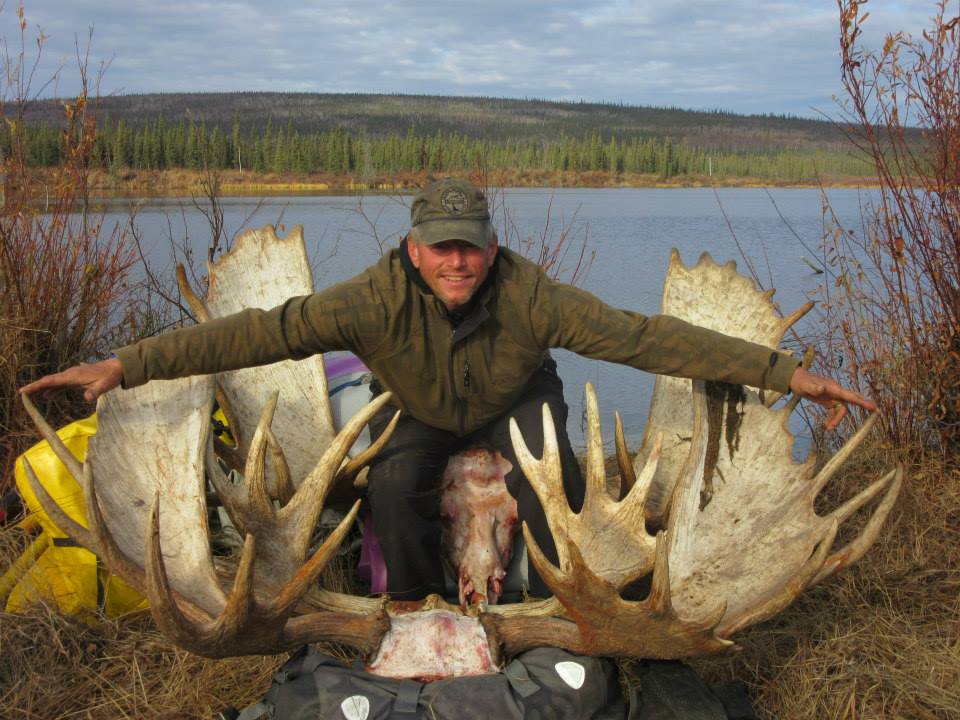
Photo Courtesy Berry Whitehill
Ambler Road Worries
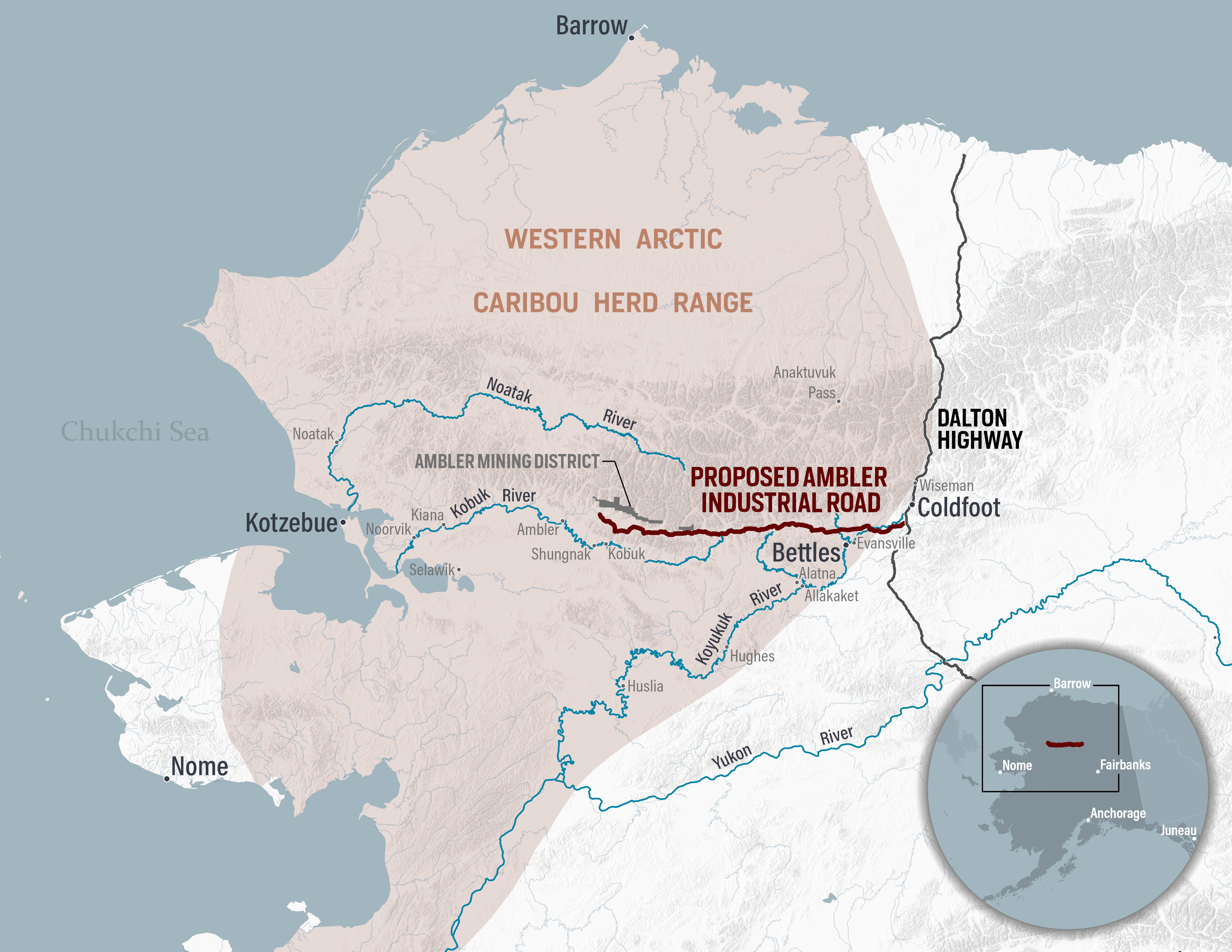
Stripping protections from the Dalton Highway also paves the way for the highly controversial Ambler Road. This industrial mining road would branch west off the Dalton, just south of the Middle Fork of the Koyukuk River. Its 211-mile course would allow Canadian and Australian-owned mining companies to access mineral deposits on public land at the southern end of the Brooks Range.
If constructed, the Ambler Road would bisect ancient caribou migrations patterns and disrupt prime wilderness fishing opportunities, according Hunters & Anglers for the Brooks Range, a group that includes scores of hunting and fishing brands along with big-name conservation groups like BHA, the Theodore Roosevelt Conservation Partnership, and Trout Unlimited—all of which oppose the long-sought Ambler Road project.
Map Courtesy Hunters and Anglers for the Brooks Range
Currently, the BLM manages large swaths of public land in the area of the proposed Ambler Road. That’s why the agency was able to block a key permit for the project during the Biden Administration. Opponents of the Ambler Road tell F&S that conveying BLM lands along the Dalton Highway over to the state of Alaska will help ensure future construction of the Ambler Road by taking the federal government out of the equation.
“The Ambler would run for 200 miles right along the base of a pristine wilderness at the foot of the Brooks Range, right within sight and sound of one of our premier National Parks [Gates of the Arctic],” says Whitehill. “Then they’ll truck the ore coming out of the Ambler Mining District down the Dalton Highway. I don’t know how the road will be able accommodate all that heavy use. The hunting and fishing opportunities will certainly suffer.”
Travis is Field & Stream's full-time associate editor. He covers breaking outdoor news and pressing conservation issues. Highlights Education Hall graduated from the University of Southern Indiana with a bachelor’s degree in journalism in 2012. His outdoor education began at age three in pursuit of stripper-pit panfish, and it continues to progress on a near daily basis. Experience Hall lives with his wife and two young sons in Montana’s Bitterroot Valley where he’s cutting his teeth on the finer points of elk, mule deer, and mountain grouse hunting. He grew up hunting whitetails and wild turkeys on reclaimed coal country in southern Indiana. F&S Lightening Round Favorite Place to Fish: Any fishing access site along the Bitterroot River; Favorite Critter to Hunt: Rut-crazed whitetails; Bucket List Adventure: September elk in Montana’s Big Snowy Mountains; Most Prized Piece of Gear: Savage Lightweight Hunter chambered in .308; All-Time Favorite F&S Story: “F&S Classics: The Day Bear Died,” by Hal Herring Notable Work