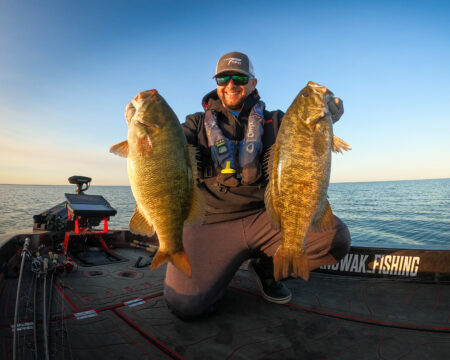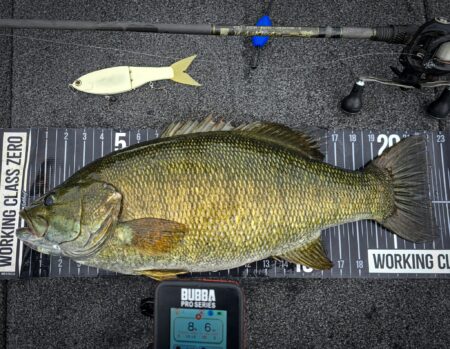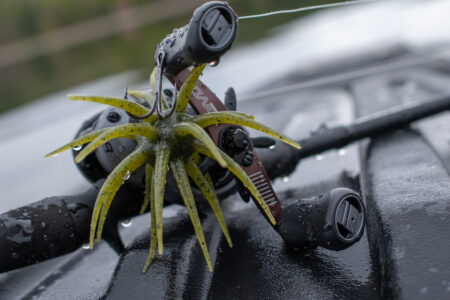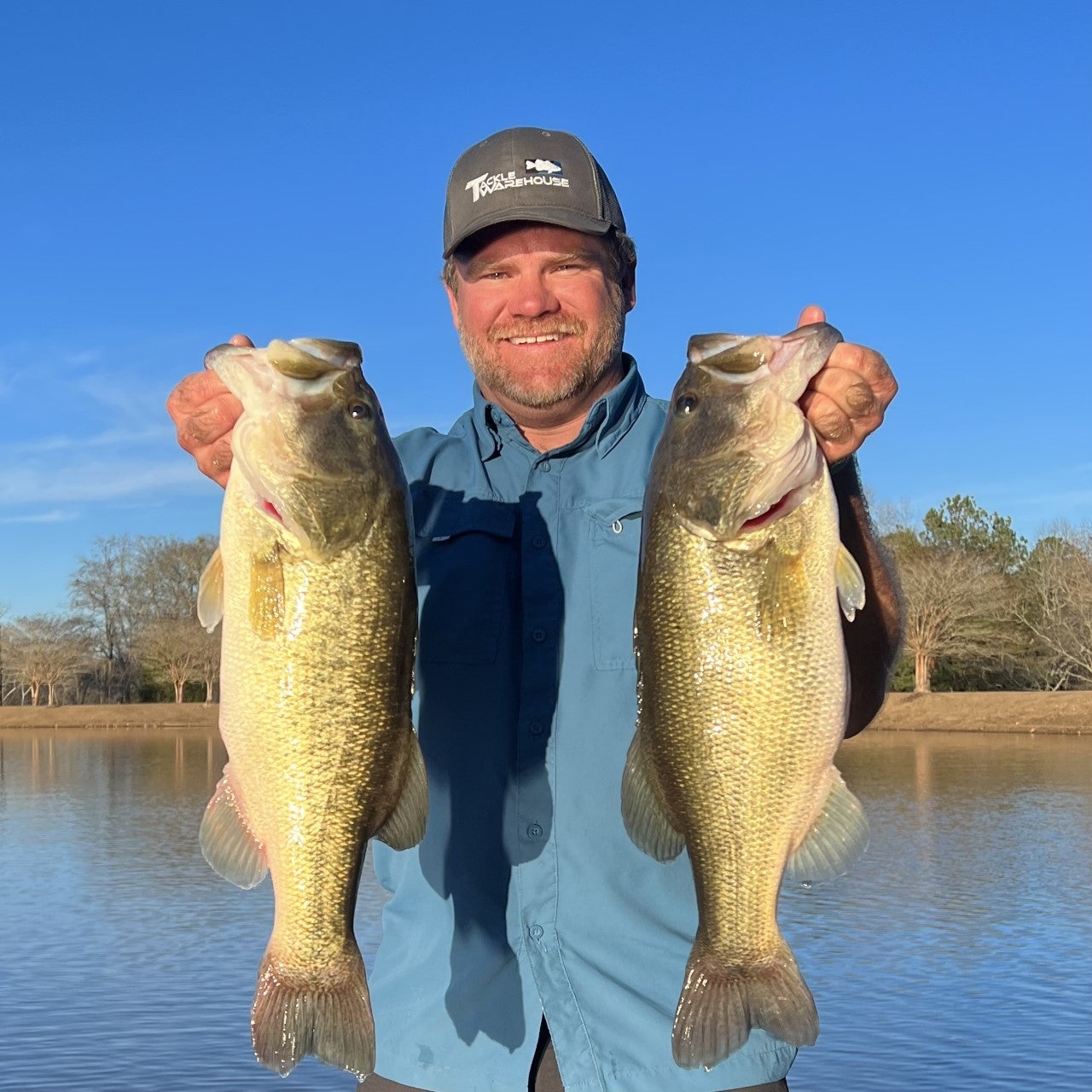
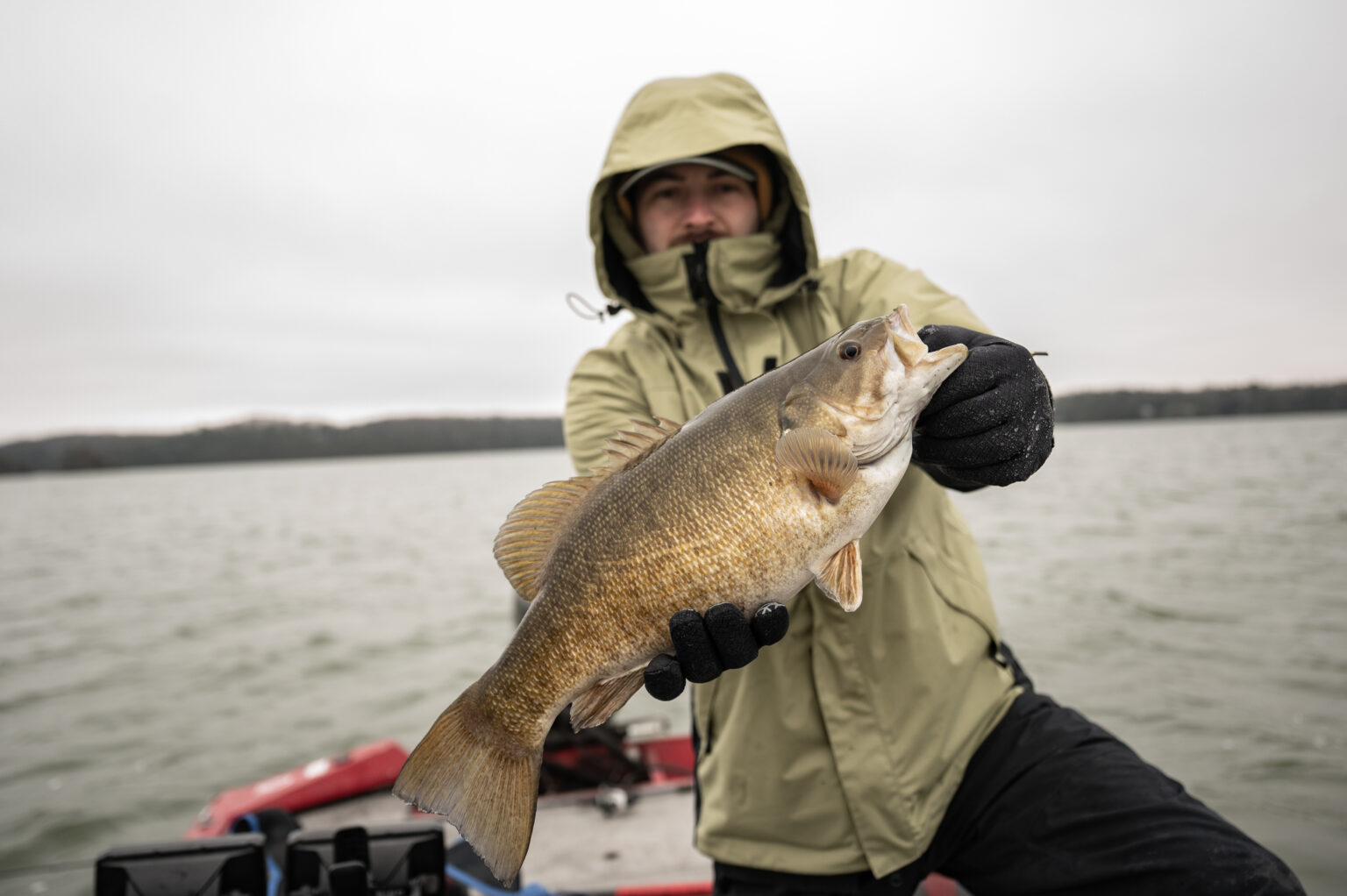
Outside of spring, there’s no better time to target smallmouth, largemouth, and spotted bass than the fall. As the summer heat fades and the first few cool nights arrive, water temps start to recede as shad and other baitfish move into shallows. This sets the stage for increased bass activity. However, bass anglers should know specific fall fishing conditions. These include destratification, abundant fall baitfish, water depth, and water temperature, all of which contribute to fish patterns and movements. Dialing in how bass transition into autumn conditions will lead to more lunkers in the net. Here’s what to look for and how to adjust your fishing techniques to stay on bass well into autumn.
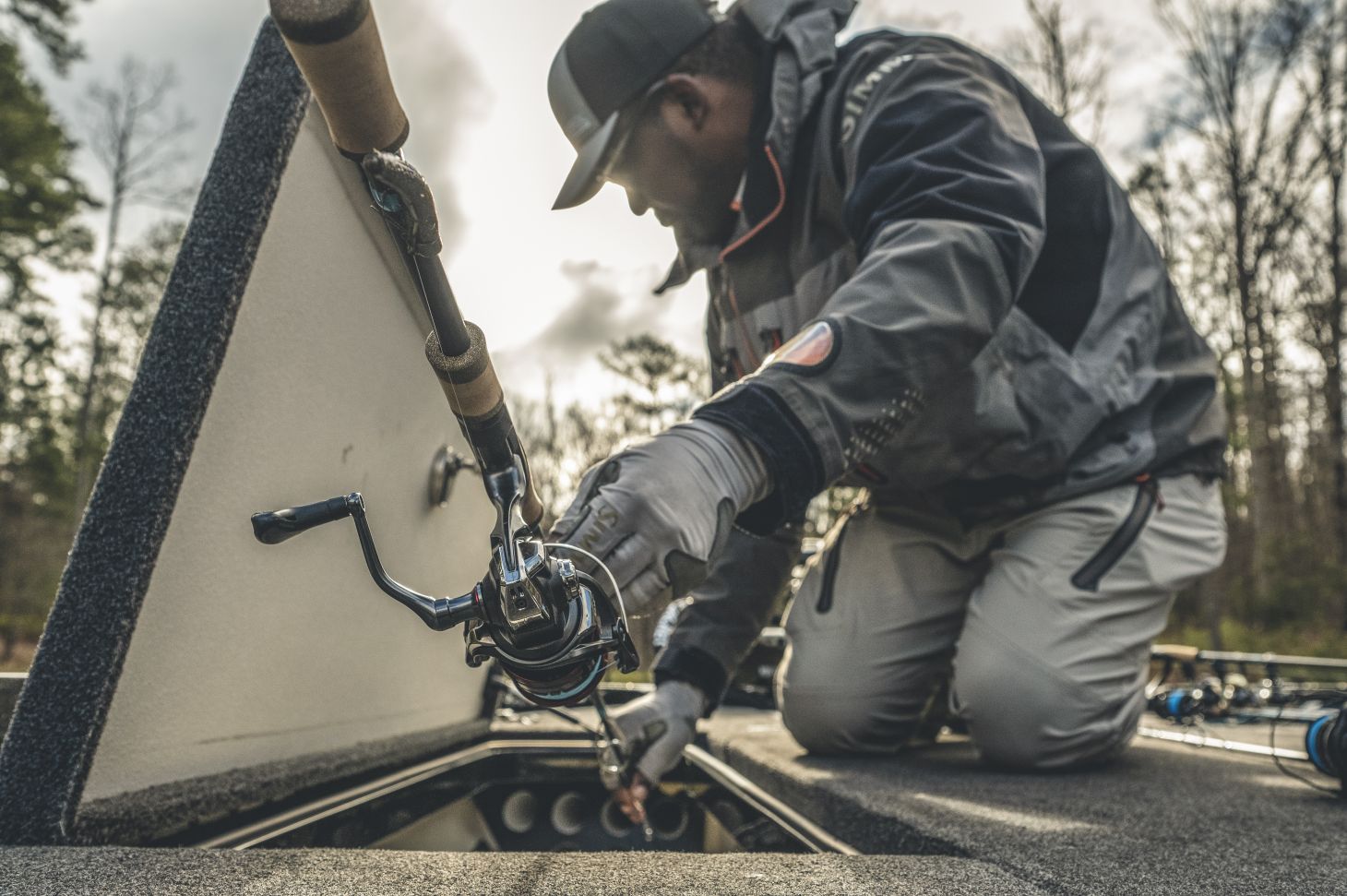
The Fall Turnover
The most challenging part of fall bass fishing is dealing with lake turnover. As summer turns to fall, the surface water cools and becomes colder than the water beneath. This is called destratification, or fall turnover. As surface water cools in the fall, it becomes denser and eventually sinks below the colder water beneath it, causing the lake to essentially “flip-flop,” or turn over. This stirs up sediment off the bottom and depletes the oxygen in the water, making fishing pretty tough in the process.
If you primarily fish ponds, you’ll find that the whole pond turns over at the same time. This shuts off fish activity for about a week until the sediment settles and the oxygen levels stabilize. Fortunately, water temps aren’t the same throughout a larger body of water. This more localized turnover lets anglers still find active fish in other parts of the lake.
Being mobile during the early stages of fall is a great way to avoid turnover and inactive bass. Fishing creeks is another good way to find reprieve while ponds and stagnant areas of larger fisheries are experiencing turnover. Current helps continually mix and oxygenate water. If you’re fishing a lake, look for tributaries or moving-water areas where fish can find oxygen. If fishing from shore, walk or wade small creeks and rivers to find active fish.
Adjust Your Bait and Lure Selection
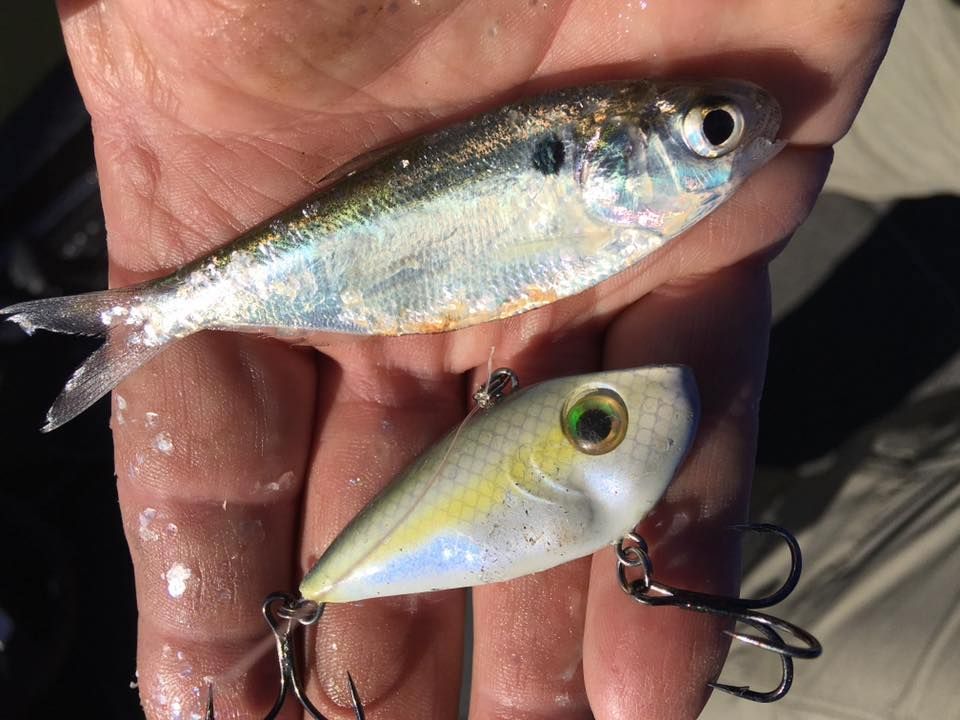
As water temps cool in the fall, shad, herring, and other baitfish leave deeper waters and move back into shallows. This creates an abundance of prey in shallow waters, and the bass follow. Choose lures that match the size, color, profile, and action of local baitfish and other prey. In the south, for instance, threadfin shad are among the more prevalent fall baitfish. Lipless crankbaits, topwaters, spinnerbaits, squarebills, and small buzzbaits are great options to imitate these shad.
Though bass dial in specific bait during the fall, fishing a lure that looks nothing like what’s naturally abundant will often draw a reaction strike. Try flipping a jig or using a non-shad colored crankbait. You can even catch bass on big wooden wake baits that are designed to mimic rats, mice, and other small mammals. Hollow-body frogs are also a great option in the fall, even on fisheries where shad and herring are the more dominant forage.
Look for Fish in Transition
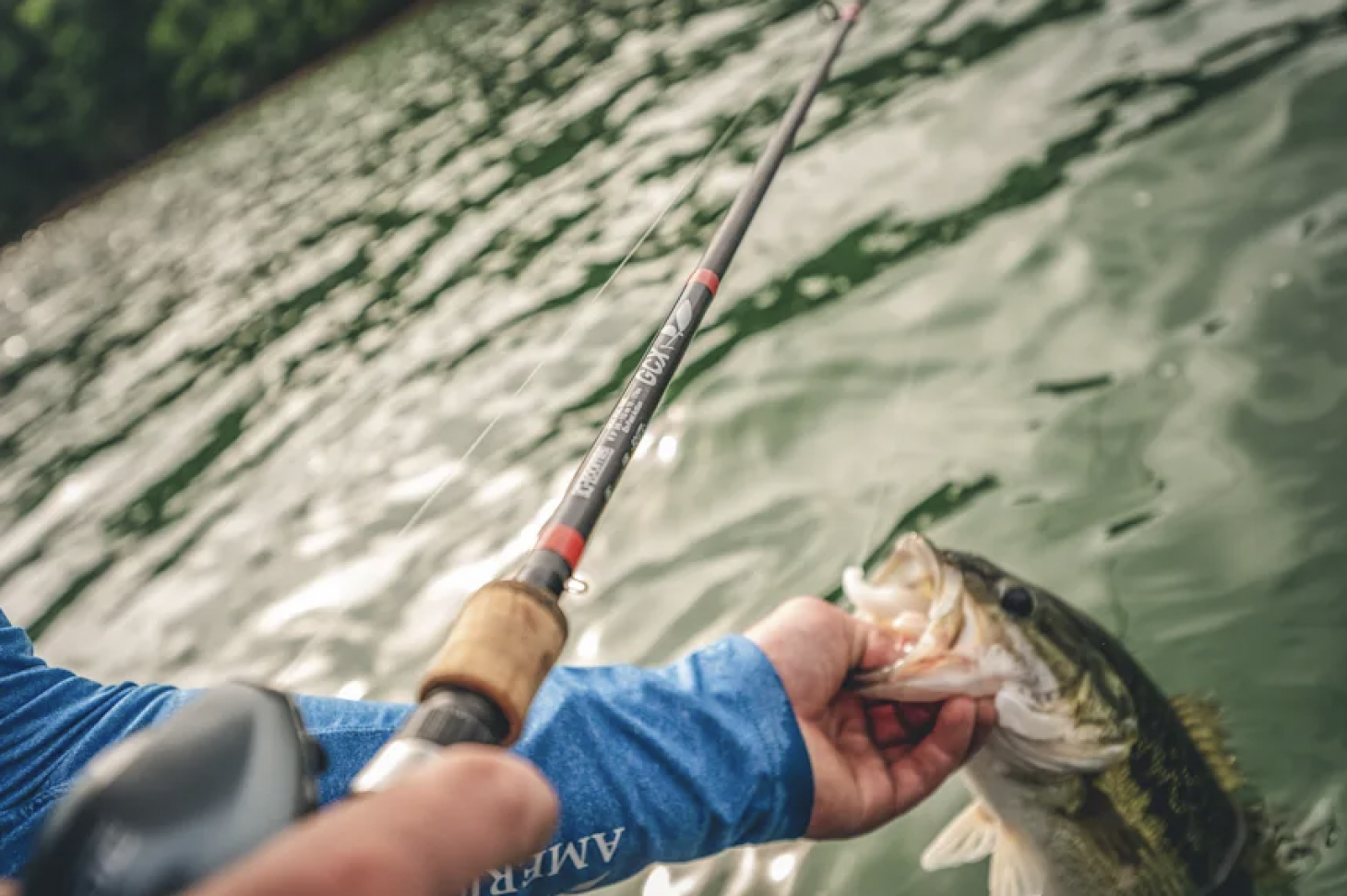
In the summer, a large portion of the baitfish population moves off-shore in search of deeper, cooler water. Most of the bass follow suit. But when the summer heat finally relents, the biomass of bait starts migrating back to shallow water. And, once again, the bass are hot on their heels. You can up your chances early in the fall by intentionally targeting bass in transitional areas where deep and shallow water meet.
Creek channels—parts of a lake where a creek used to run before it was flooded—are one example. Bass and bait will use these channels to migrate, moving onto adjacent flats when the channel swings away from the bank. Primary and secondary points, as well as humps, also create great opportunities for bass to chase bait up from deep water to shallow areas. Bluff walls, bridges, and dams are also great places to look, where bait can move vertically from deep water to shallow without covering much ground horizontally.
Though you’ll have to navigate the annual fall turnover, there is excellent bass fishing to be had. Because of the abundance of bait this time of year, matching the hatch is the best bet when deciding on what to throw. Choose where to fish based on the proximity of shallow water transitioning to deep water, and look for areas with moving water if turnover has fish lethargic and stagnant.

All new! 1871 Club Field Trips