This story was produced in partnership with Montana Department of Commerce.
Montana is a place where water defines the landscape—pristine rivers weave through canyon walls and sprawling reservoirs stretch across the prairie. Anglers return to the state year after year for one simple reason: nowhere else fishes quite like this.
From legendary trout rivers to vast warm-water lakes, Montana offers an unrivaled variety of fishing experiences. We recently explored four iconic fisheries—the Bighorn River, Missouri River, Tiber Reservoir, and Fort Peck Reservoir—and shared the incredible experiences in YouTube videos. Inspired? This travel guide details the seasons, tactics, hot spots, and more for each location, so you can experience Big Sky Country’s famed fisheries for yourself.
The Bighorn River
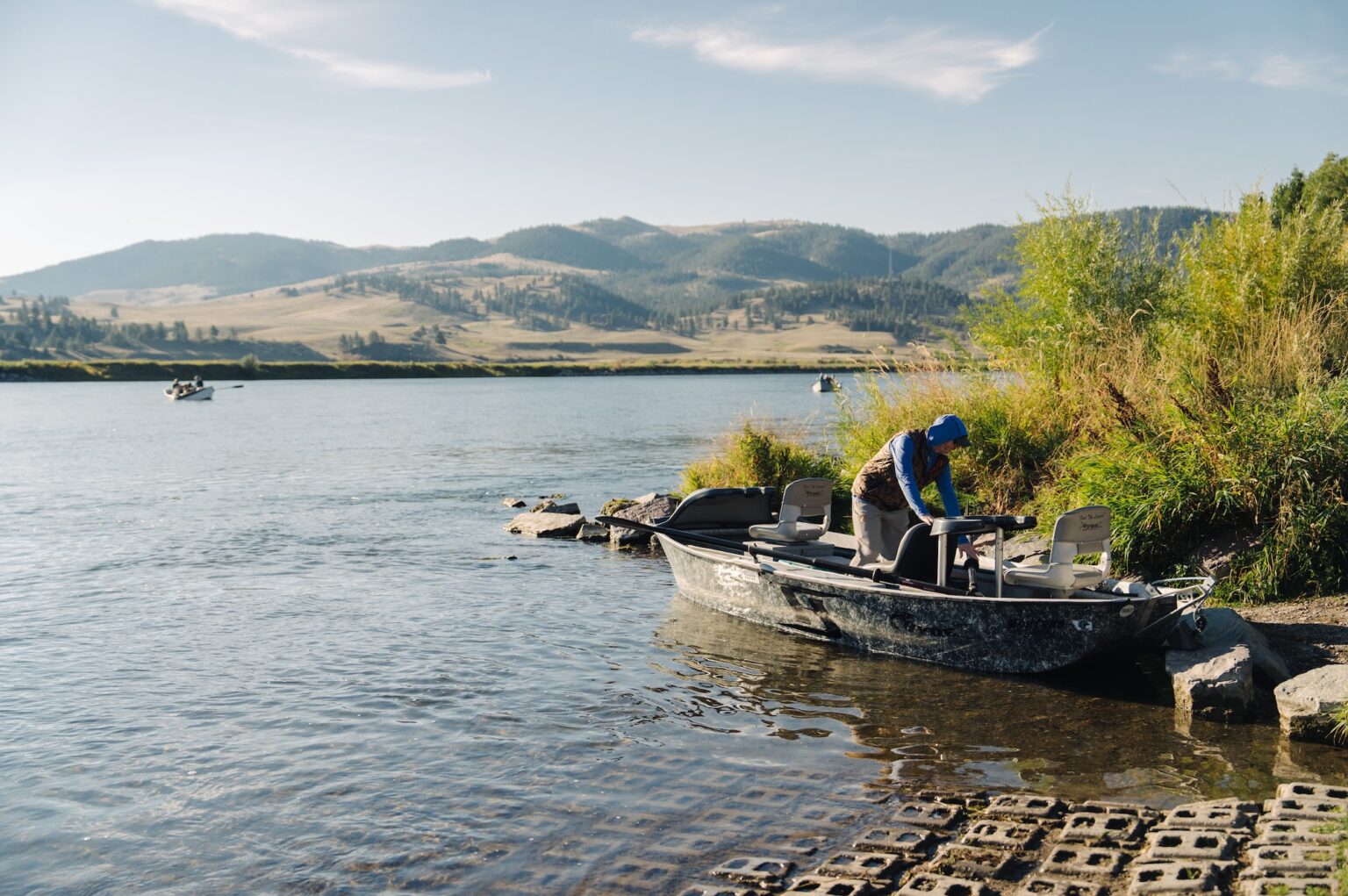
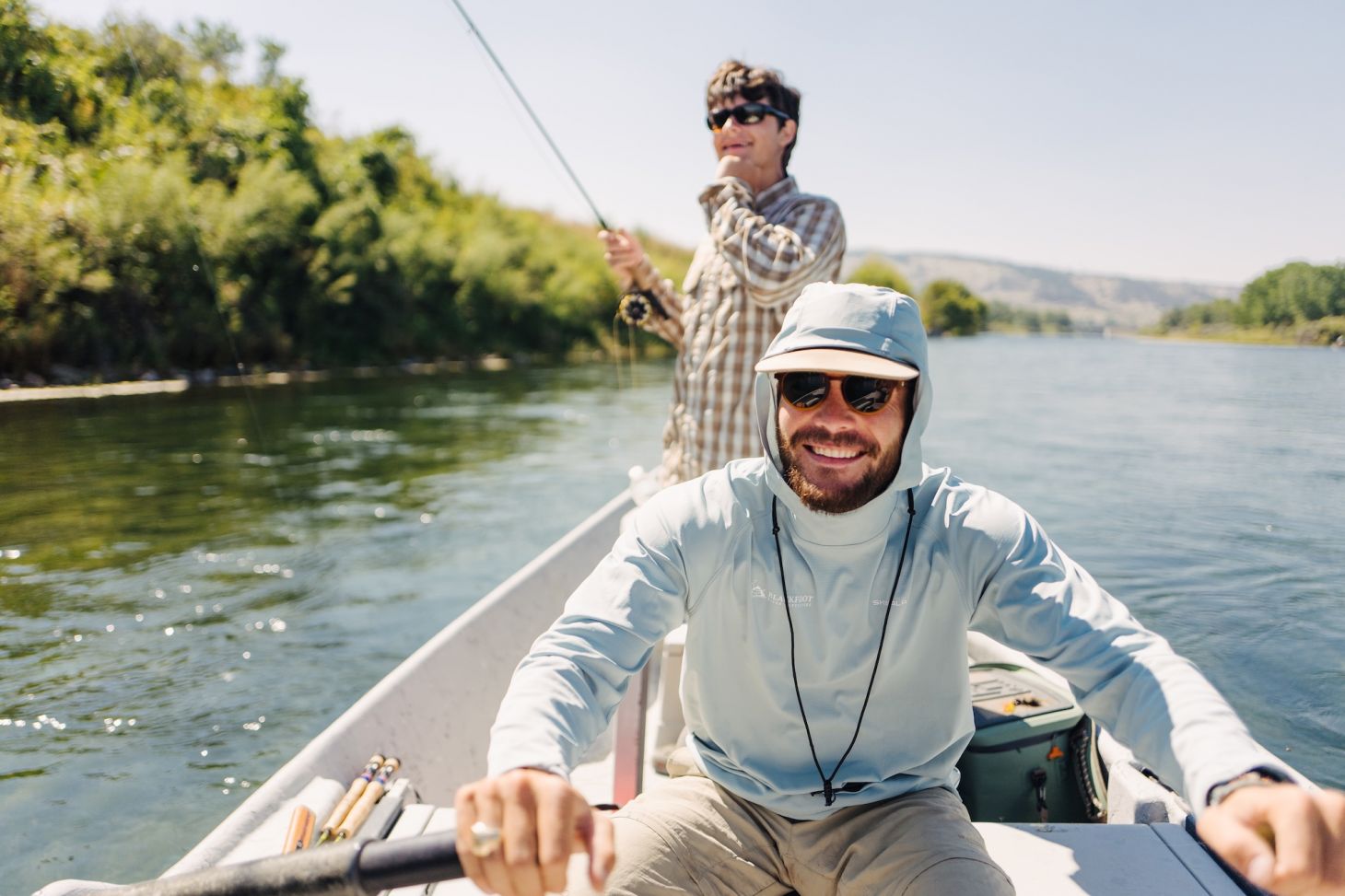
The Bighorn River near Fort Smith is a true American tailwater classic. Flowing cold and steady from Yellowtail Dam, this section of the river provides remarkably stable year-round conditions and some of the most reliable trout fishing in the West. As you can see in our film, “Flyfishing the Bighorn River,” there is a mix of wade and drift-boat fishing opportunities. The river is known for prolific hatches, and it runs through a serene sandstone-lined valley that makes trips here even more memorable.
When to Go
Unlike many of Montana’s freestone streams and rivers, the Bighorn in Fort Smith can be fished year-round, though each season requires different tactics. Here’s what you need to know.
Spring: Midges and blue-winged olives dominate the dry fly hatches. In March and April, rising trout feed aggressively in seams and flats. When they’re not hatching, subsurface fishing with both nymphs and streamers can help you hook into some of the river’s largest trout.
Summer: Expect long days, warm weather, and energetic trout willing to eat on top during the summer months. Massive PMD and caddis hatches bring classic dry-fly action from June through August. In the late summer, when fish aren’t rising to small dries, fishing big foam terrestrial patterns can be fun and effective, too.
Fall: In the fall, the Bighorn is a streamer angler’s paradise. Brown trout become territorial and aggressive. Cloudy, cool days are ideal.
Winter: Tailwater flows keep the Bighorn relatively warm compared to freestone rivers—and its trout remain active throughout the winter. This is when fishing small nymph patterns slow and deep pays off.
 Hot Spots (Public Access)
Here are the go-to takeouts and walk-in points for DIY anglers.
The Afterbay Boat Launch is the first access point beneath Yellowtail Dam. It’s a popular, well-maintained boat ramp that has overflow parking for the busiest days of the year. This part of the river is also accessible for wade anglers.
Three Mile Access is another boat launch and is the starting point for a 10-mile float that ends at Bighorn Fishing Access. The access site also has an established footpath that allows anglers to easily head upstream along the shore.
The Bighorn Fishing Access Site is maintained by Montana Fish Wildlife and Parks. It’s the termination point for the “upper stretch” float. Below here, both trout numbers—and pressure—decrease, but the river can still be fished with typical trout fishing tactics.
Mallards Landing is another access site on the lower section of the river. Downstream of the put-in, the river is characterized by slower-moving water compared to the upper section.
Gearing Up
Rods: 5–6 weight fly rods
Lines: Floating line for most fishing
Tippet: 4X–6X for dries and nymphs. 0X for streamers.
Fly Patterns
Nymphs: Sowbugs, scuds, midges, baetis emergers
Dries: BWOs (16–20), PMDs (14–18), caddis (14–18), hopper patterns
Streamers: Sparkle Minnows, Zonkers, Woolly Buggers
 Where to Stay
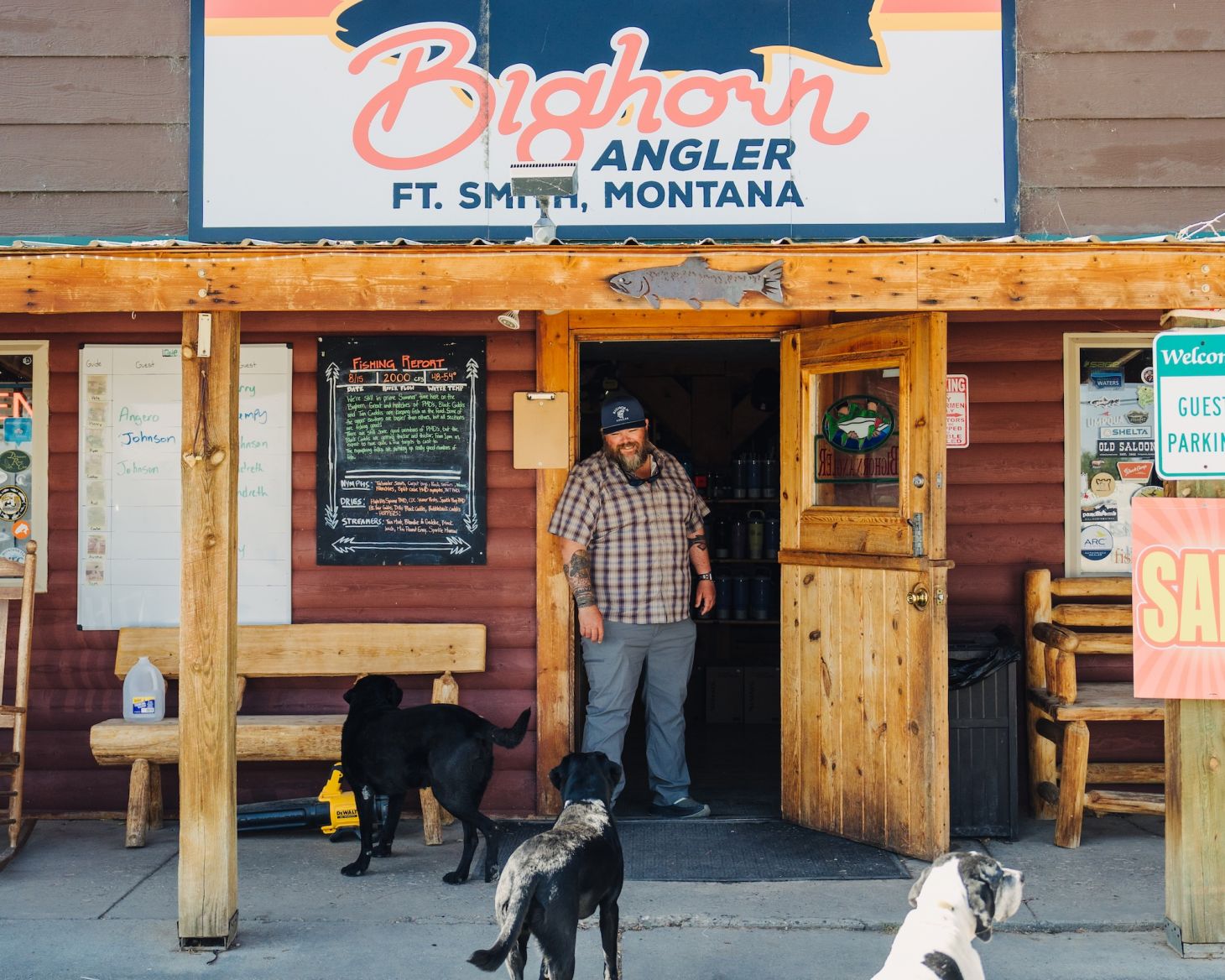
Bighorn Angler Lodge. Bighorn Angler is a classic fly shop in Fort Smith that also offers lodging for self-guided and guided anglers alike. There’s a wide variety of options, from standard lodge rooms to cabins to modern houses.
Bighorn River Lodge is located just below the Bighorn Fishing Access Site. It has a private boat ramp and combination lodge stay and guided fishing packages.
Forrester’s Bighorn Resort is an Orvis-endorsed operation perched above the Bighorn River. The high-end lodge offers fishing, hunting, and cast and blast packages.
Hired Help
If you’d like to hire a guide, here are some great local outfitters.
Bighorn Angler
Bighorn Trout Shop
Bighorn Fly and Tackle Shop
The Missouri River
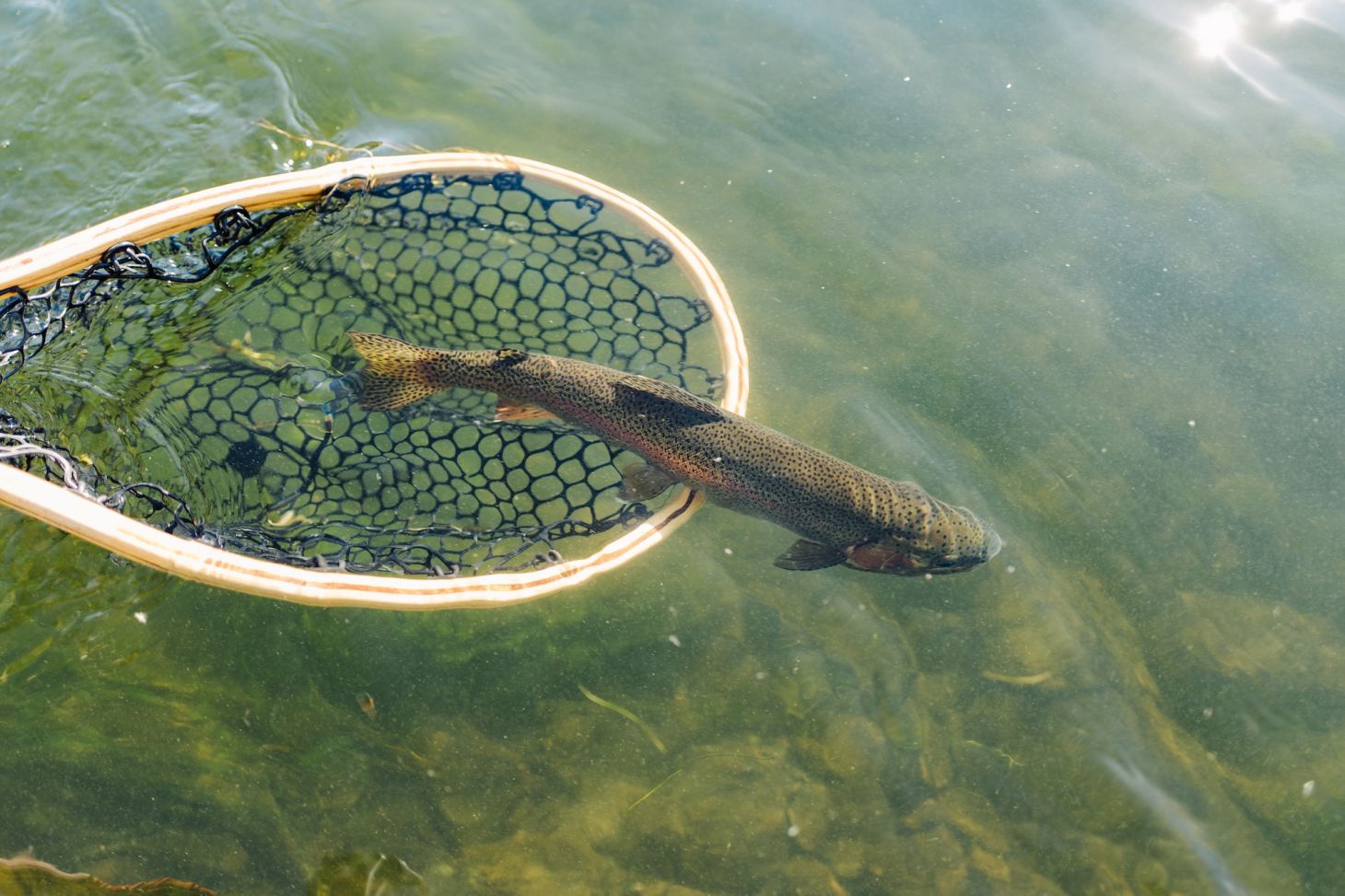
The Missouri River below Holter Dam is one of the most productive trout rivers in North America, with some sections holding 5,000 to 7,000 fish per mile. Big browns, strong rainbows, prolific insect life, and a broad, open river define the experience. Our film, “Fly Fishing the Missouri River,” showed a chilly September morning with rising fish and classic Craig, Montana river culture.
When to Go
Spring: Baetis and midge hatches kick off dry-fly season in April and May. The fishery is particularly popular in May when other rivers in the region are blown out from snowmelt. When fish aren’t rising, nymphing with scuds and other nymphs is the norm.
Summer: PMDs, caddis, and tricos offer fast-action dry fly fishing, while nymph rigs remain popular. Montana’s long summer days make for long feeding windows for the river’s numerous trout.
Fall: During the fall, the river’s traffic fades—and often, the fishing action picks up again. Now, stripping streamers is the way to target the river’s aggressive brown trout.
Winter: Fishing the Missouri can be done during the winter with low and slow nymphs during mild stretches of weather.
 Hot Spots
Here are some popular access points for DIY anglers.
Holter Dam Fishing Access is just below Holter Dam. Colloquially termed “Bull Pasture,” the access site gives drift boats and wade anglers access to some of the highest concentrations of trout—and also, of other anglers.
Wolf Creek Bridge Access Site is two river miles from Holter Dam. It’s another popular and well-developed put-in for drift boats.
The town of Craig is a hotspot for Western fishing culture. There’s a boat ramp right in town, but if you want to extend your float, Stickney Creek is another good access site 3.5 miles further downstream.
Mid-Canon Access is two miles past the confluence of the Dearborn River—one of the Missouri River’s famed tributaries. It has a gravel boat ramp.
Prewett Creek Access is the end of what locals consider the upper section of the Missouri River. While there isn’t as much fishing pressure here, the action can still be hot—and the river’s character changes a bit as it enters a more exposed section as it leaves the steepest part of the canyon.
Gearing Up
Rods: 5–6 weight
Leaders: Long 12–14 ft leaders for spooky tailwater trout
“Short leash” nymph setups are also popular for fishing riffles and shallows, as well as mimicking emergers during a hatch.
Fly Patterns
Nymphs: Scuds, sowbugs, PMD emergers
Dries: PMDs, BWOs, caddis, hoppers
Streamers: Sparkle Minnow, Clousers, articulated patterns
Wading is popular, as is fishing from drift boats, which can be easily rented from local fly shops.
Where to Stay
In partnership with Headhunters Fly Shop, Craig Lodging manages a wide variety of vacation homes in Craig and the surrounding area. Craig Trout Camp, which is in Craig, proper, is a popular option with several small cabins.
For upscale accommodations and guided fishing packages, consider Missouri River Ranch, which is a 160-acre property with over a mile of riverfront.
Wolf Creek Angler manages several lodging options in the area, including several in Wolf Creek, which is just a couple of miles from the river, though it’s a smaller town than Craig.
 Hired Help
If you’d like to hire a guide for a day, here are some great local outfitters. Several of them run shuttles and rent drift boats for DIY anglers, too.
Headhunters Fly Shop
CrossCurrents Fly Shop
Pretty Good Outfitters
Wolf Creek Angler
Tiber Reservoir
Tiber Reservoir—a.k.a. Lake Elwell—is a vast, windswept waterbody in Central Montana. It’s full of warm-water species, from walleye to smallmouth to giant northern pike. Our film “Chasing Monster Pike on Tiber Reservoir” shows long runs across open water, a rugged prairie shoreline, and, most importantly, high-octane northern-pike fishing.
When to Go
Spring: Walleye and pike move into rocky shallows to spawn. Now’s the time for slow, subtle presentations for walleye. Target structure for post-spawn northerns.
Summer: Warm weather brings excellent smallmouth and pike action on the lake. Baitfish patterns rule for fly fishermen. Typical spin fishing tactics for walleye—jigging and crankbaits—work, as does throwing spinners and large baits for northern pike.
Fall: Cooling water packs walleye and trout into steeper structure. The reservoir’s big pike remain aggressive.
Winter: Ice fishing is possible here, depending on freeze conditions.
Hot Spots
North Bootlegger Campground. Situated on the northern side of the lake, this launch is ideal for accessing the reservoir during low water; the ramp may be fully submerged during high water.
Willow Creek is a ramp that provides access to the northern arm of the lake. It’s a primitive site with a graveled access road and a pack-it-in, pack-it-out policy.
Tiber Marina is the access with the most amenities on Tiber Reservoir. The full-service marina is located on the eastern edge of the lake. Here, you’ll find everything you’d need, including a boat ramp, gas, campgrounds, bait, and more.
Gearing Up
Rods: Medium-heavy spinning or baitcasting rigs. Eight-weight fly rods for pike.
Lures
Pike: spinnerbaits, large spoons, jerkbaits
Walleye: jigs, crankbaits, bottom-bouncers
Smallmouth: crawdad plastics, crankbaits
Flies: Deceivers, EP Baitfish, and Bunny-leech patterns
Fly Line: Sink-tip and full-sink lines
Where to Stay
Ru’s Tiber Marina Campground and RV Hookups
Hotels and Bed & Breakfasts in Chester and Shelby
Various primitive RV-tent sites are available at many of the lake’s access points, which are detailed in this Bureau of Reclamation brochure.
Hired Help
Parrow’s Guide Services
Get the Net Outfitters
Local seasonal guides operate from Chester, Shelby, and Conrad, and run pike and walleye trips on Tiber Reservoir.
Fort Peck Reservoir
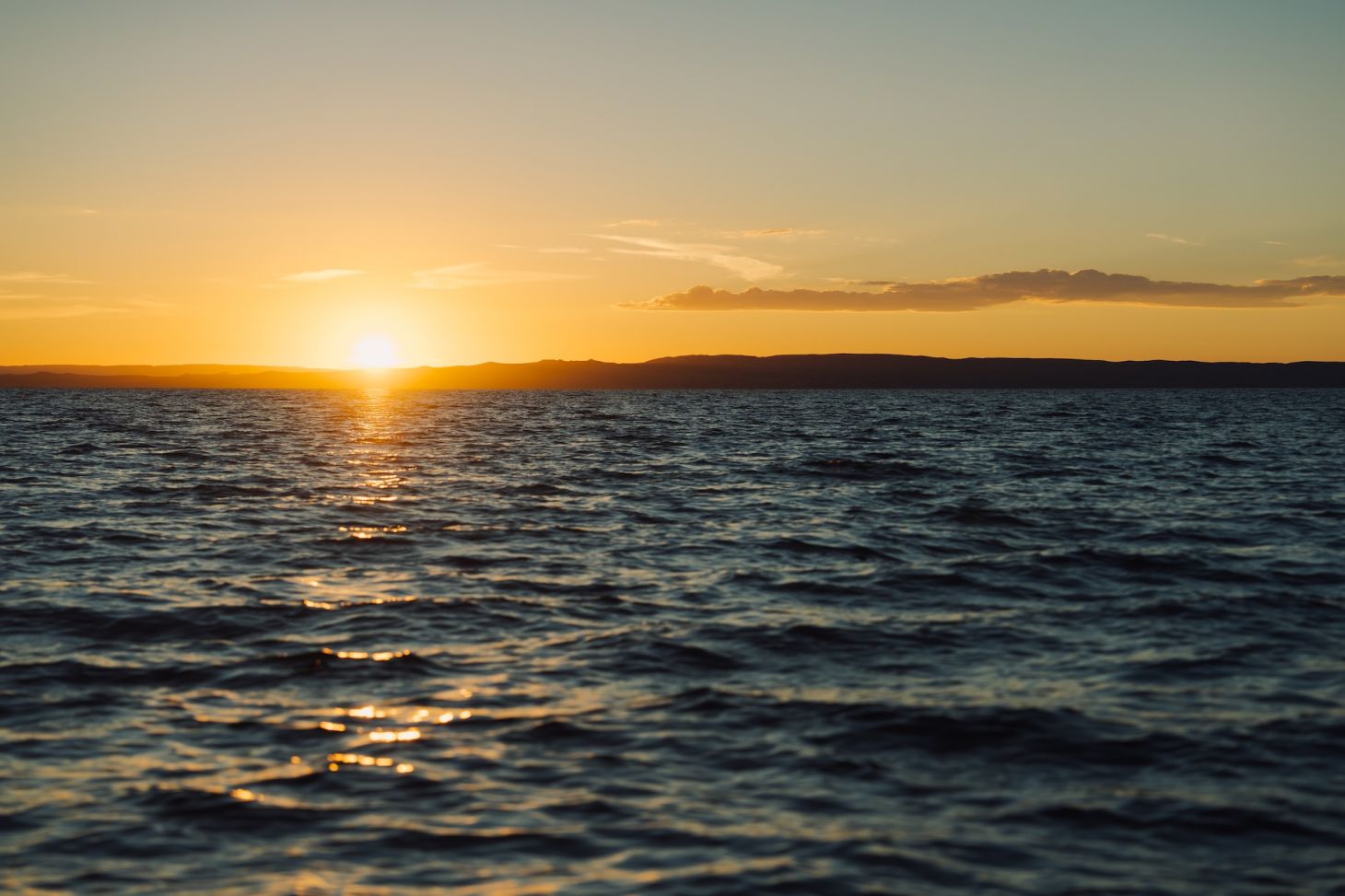
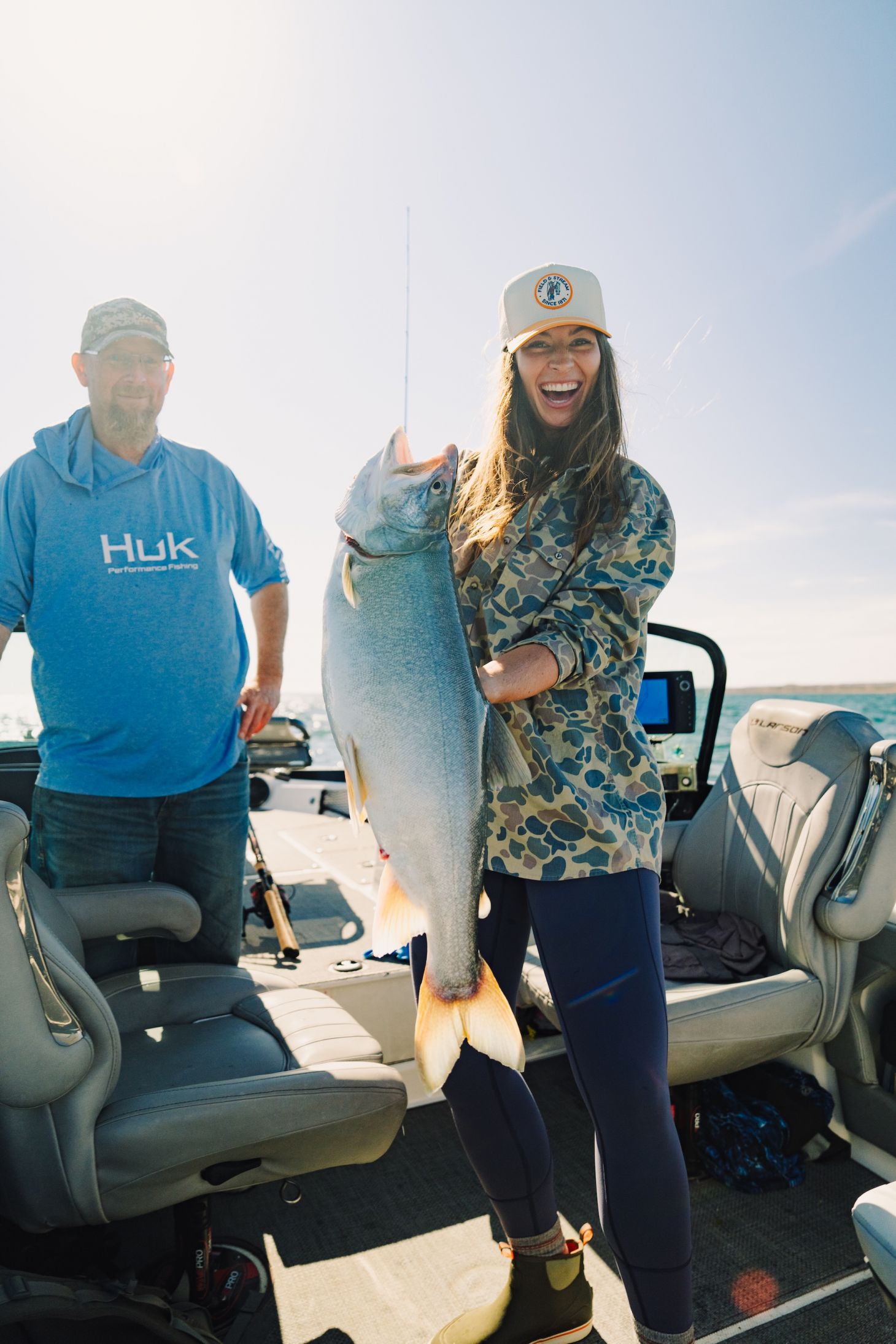
Fort Peck Reservoir is one of the largest and wildest freshwater fisheries in the United States. With over 1,500 miles of shoreline, it features stunning horizons and holds monstrous fish—specifically, lake trout, walleye, pike, and smallmouth. Our film, “Lake Trout and Walleye Heaven,” showcases jaw-dropping scenery, big-water trolling, and epic lake trout fights.
When to Go
Spring: Walleye fishing peaks as fish move shallow late in the spring. Meanwhile, pike can be targeted as they cruise warming bays.
Summer: Deep trolling is effective for lake trout and Chinook salmon. Smallies stack up on rocky points.
Fall: This is trophy walleye time, when crankbaits and live-bait rigs shine. Aggressive pike can also be targeted in the shallows.
Winter: Ice fishing is an option depending on conditions.
 Hot Spots
Fort Peck Marina is a full-service marina situated near Fort Beck Dam. It’s got a ton of services, including a boat ramp, tackle store, guide service, restaurant, campground, and more.
Duck Creek Fishing Access Site is a concrete boat ramp with a fish cleaning station just a couple of miles northwest of Fort Peck.
Hell Creek State Park is 25 miles north of Jordan. It provides access to Hell Creek Bay, which is on the southern side of the lake. The recreation site has a campground, RV hookups, and a marina.
Rock Creek Marina is a full-service marina 32 miles southeast of Fort Peck. It provides access to the Big Dry arm of Fort Peck Lake—and the good pike, smallmouth, and walleye fishing there.
 Gearing Up
Rods: Medium to medium-heavy spinning and trolling setups
Lures:
Lake trout: spoons, jigs, flashers, and spinners
Walleye: crankbaits, jigs, and live-bait rigs
Pike: large spoons and spinnerbaits
Fly Patterns: Big streamers for pike. Crayfish and baitfish patterns for smallmouth.
Where to Stay
Fort Peck Hotel is a historic, 1930s-era chateau that was created during the construction of the Fort Peck dam. Today, it has rooms with modern comfort and a classic saloon.
Rock Creek Marina has campsites with sewer and electricity, as well as cabins to rent.
Hell Creek State Park has 55 campsites, and most of them have electrical hookups.
Motels in Glasgow and Jordan are also available.
Hired Help
Fort Peck Fishing with Trevor’s Guide Service
Get the Net Outfitters
Multi-species guides can be hired at Fort Peck Marina and Rock Creek Marina.
Your Montana Fishing Adventure Awaits
Whether you like targeting warm- or coldwater species, Montana has something for you. The Bighorn and Missouri rivers offer pristine tailwater trout fishing with epic insect hatches. The Tiber and Fort Peck reservoirs are vast waterbodies filled with hard-fighting warm-water species and the chance at truly enormous fish. For recreational anglers planning a dream fishing trip, Montana is worth a multi-chapter adventure. Pick a river, pick a reservoir, or plan to fish all four waterbodies using this guide to create your own story across one of the wildest fishing landscapes in America.

EXCITING NEWS
Membership Now Includes