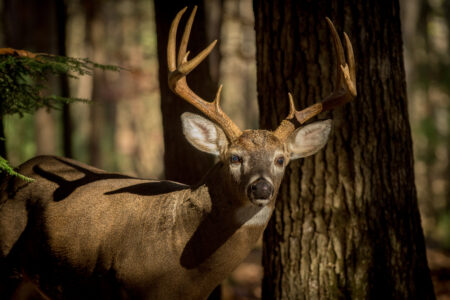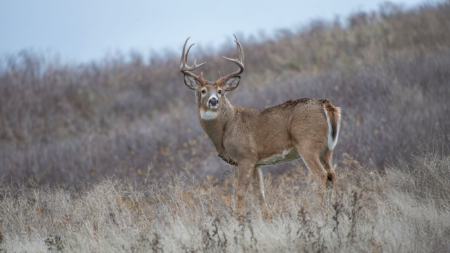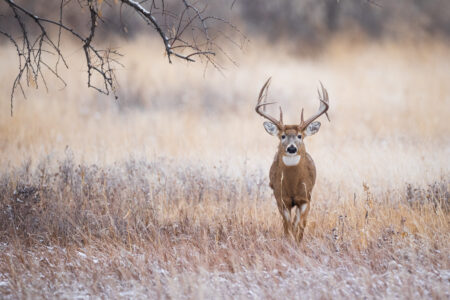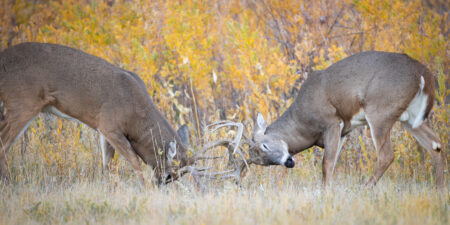
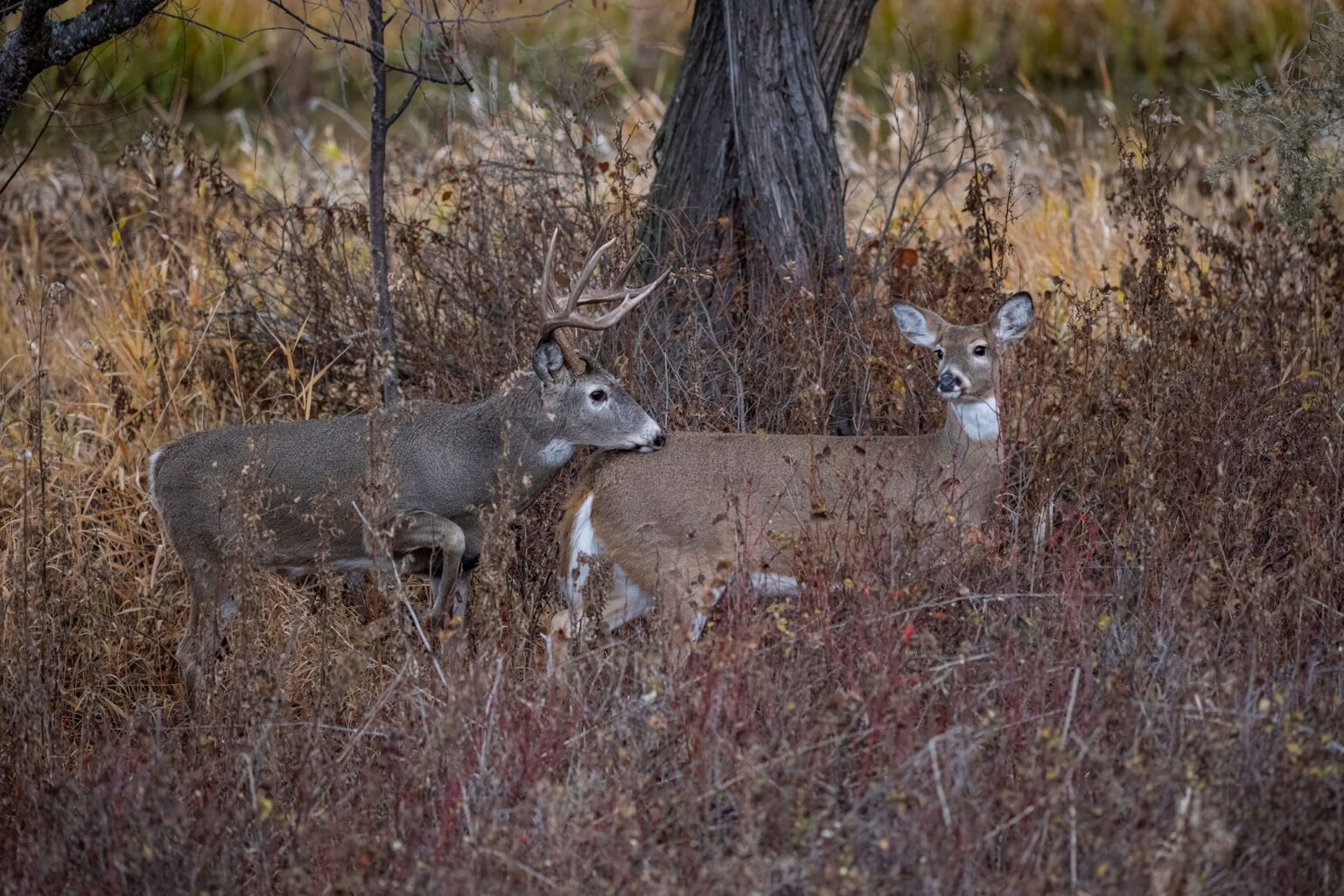
If you suffer from friggatriskaidekaphobia (fear of Friday the 13th), this Best Day of the Rut could come with a little apprehension. But for most whitetail hunters, a mid-November Friday should stir up anything but dread. After all, this is the peak of the rut, and almost anything can happen.
Several years ago, on this very day, I shot a mature buck on the edge of a cornfield just 15 minutes into my hunt as he stole a quick sip of water from a mud puddle and continued cruising along the stalks. As I got down and checked my arrow for blood a few moments later, an even larger buck charged in and almost ran me over. Intoxicated by rut hormones and trying to decipher if I was a threat or his next mate, he locked eyes with me for what seemed like minutes before crashing off through the corn.
As wild and exciting as the peak of the whitetail rut can be, it can also be taxing on both deer and hunters. Bucks have now been either searching for or chasing does for weeks, and many hunters have been working just as hard in pursuit of the. But if you haven’t found success yet, don’t lose heart. November 13th is my pick for the No. 1, overall, best day of the entire 2026 rut. So, lock in for a great hunt on this Friday, because the frenzy of the whitetail rut is in full swing.
Related: The 7 Best Days of the 2026 Whitetail Rut
Rut Phase: Peak Breeding
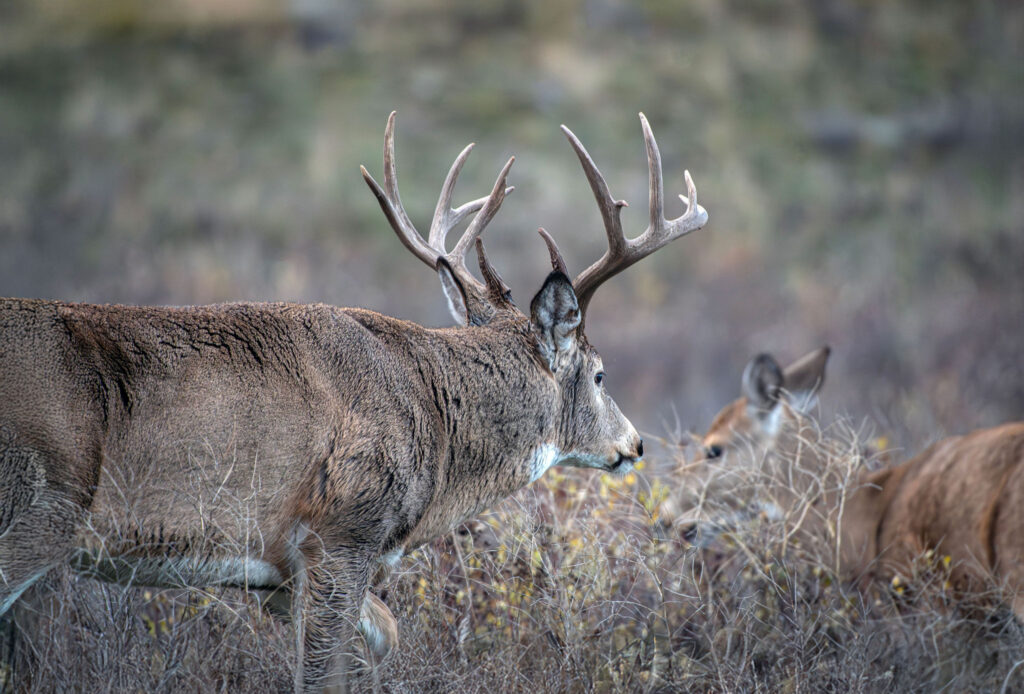
The estrus bell curve is now at its height, meaning the largest portion of does on the landscape are currently in estrus and ready to breed. The action should be on fire, with one caveat—so long as you can find it. Scrapes have largely been abandoned for some time, exchanged for full-out seeking and chasing of does by testosterone-driven bucks. And peak-breeding is, of course, when the highest percentage bucks catch up to those does. Referred to as “the lockdown,” this is a period when bucks sequester does in attempts to guard and breed them, which makes seeing them from stand near impossible if you’re not in just the right spot.
On top of this, factors like weather and local herd dynamics also determine how intense the rut is perceived by hunters. Warm temperatures can drive activity to the nighttime, putting a damper on daylight activity, while areas with a skewed buck-to-doe ratios can see decreased chasing due to the vast breeding options bucks have. But rest assured, one thing is true—the rut is happening and is at this apex. So, here’s how you can break through the lockdown and put yourself in the middle of the action on this challenging, yet most promising Best Day of the 2026 Whitetail Rut.
November 13 Morning Hunt Plan: Pick a Bedding Pocket
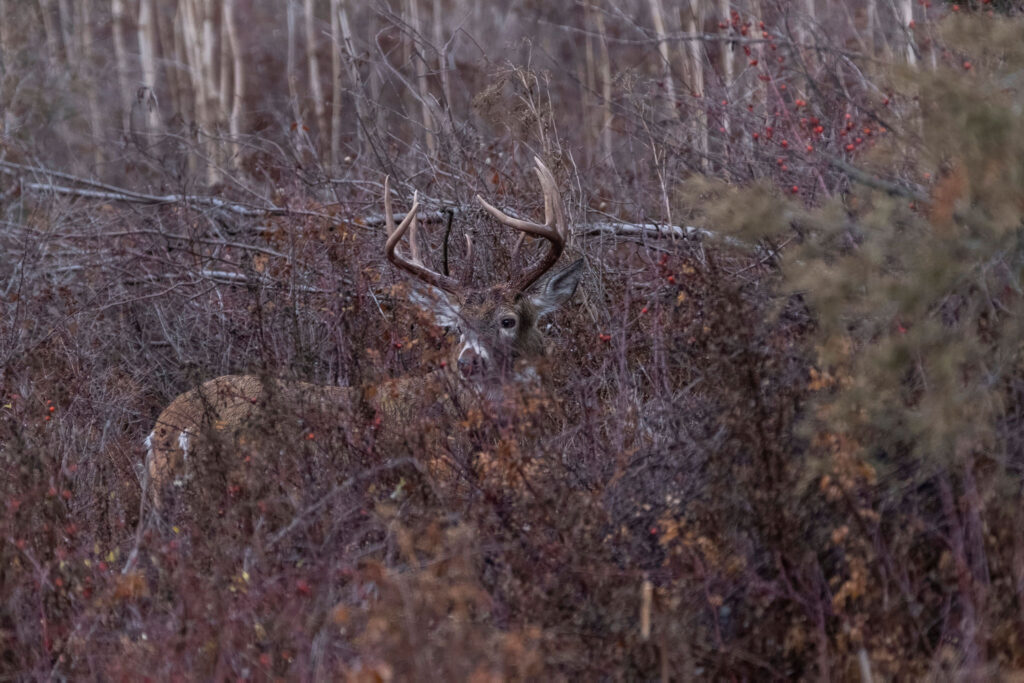
Two factors push deer into heavy cover more than any others: the peak rut and hunting pressure. Since the first is definitely happening now, and the second is happening in many areas, picking an isolated bedding pocket for an all-day sit is a prime rut strategy. If you have a sanctuary on private land, now is one of the few times to consider entering this sanctum. For the public-land junkies, your pre-scouted, thick-cover bedding areas are by far your best bet for daylight action. Plany your Eentry and exit routes carefully and try to get settled an hour or more before light shooting light. This helps ensure that you’ll beat all deer back to these secluded haunts, and allows them to filter back to your bedding ambush totally alerted. One often-overlooked detail is the color of light you use when entering in the dark. Whitetail studies at the University of Georgia show white light appears 18 times brighter to deer than to humans, but red is next to impossible for them to see. So, if you need it, use a red headlamp, and put extra effort into planning an ultra-silent setup—two things that can make or break an early-morning entry.
What exactly should you be looking for in a prime rut bedding area? According to renown public-land whitetail expert John Eberhart, you should focus on “thick, hard-to-access, secluded areas where multiple trails converge and with ample shooting lanes. Bucks will push does back into these areas and cruise within them at midday, which is exactly where you need to be,” he says. Eberhart adds that the majority of bucks he’s killed have come during this stage of the rut, in these thick-cover areas, and often during midday hours.
If you’re not seeing deer in range, try a calling sequence to mimic a chase. An estrus doe bleat followed by a few excited grunts can bring any buck within earshot right to your tree. And don’t worry if the hours drag on and movement. This is exactly why you need to have ample food, water, and patience to wait it out, because a rut hunt in a bedding pocket can go from boring to big-buck-down in a matter of seconds.
Related: How to Rattle In Whitetail Bucks
November 13 Evening Hunt Plan: Stake Out a Transition Area
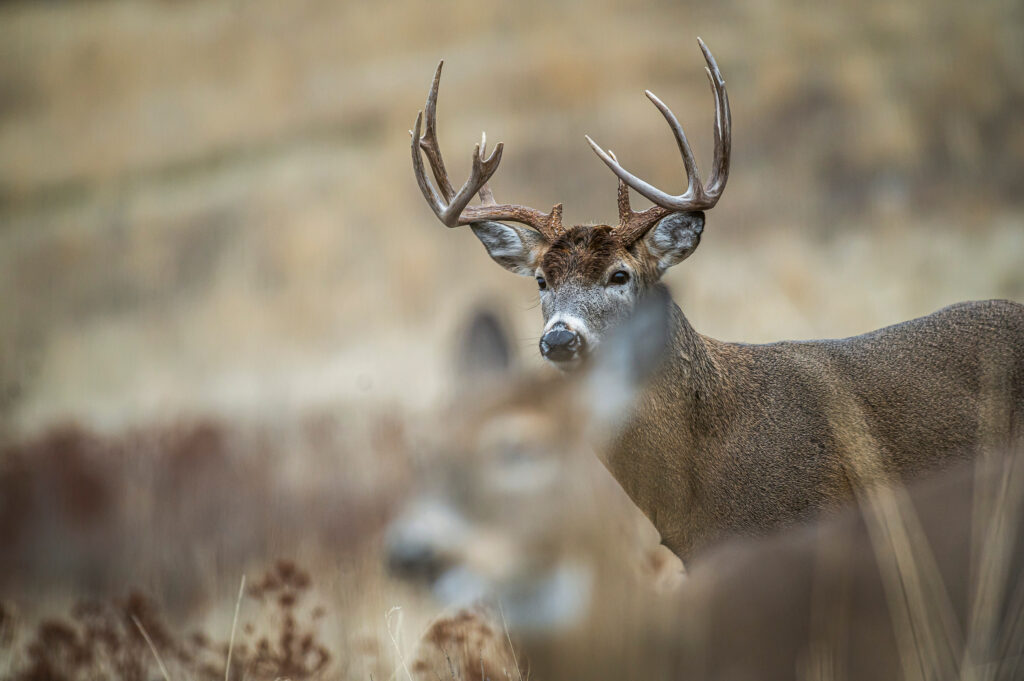
If the prospect of sitting in the same spot all day doesn’t appeal to you, an good alternate play is to get down at midday and move to a transition zone outside of bedding cover or between bedding cover and evening food. Setup on the edge of thick cover to catch deer traffic and leverage the nightly deer movement toward a larger food source. This is exactly what I did when I hunted the edge of that standing corn several years ago. I was able to setup my sticks, platform, and saddle as several deer meandered among the rows just 60 yards from me. It’s also what brought the bigger buck running to me. Bucks are keyed up now, and when they cannot see far in thick cover, they must rely on their ears and can be easily fooled. Use this to your advantage by calling or rattling in these conditions to pull a buck out of nearby cover and into one of your shooting lanes.
I caught some of this intense rut behavior in a similar transition zone on public land a few years ago. Sitting in a pinch point surrounded by walls of thick slash, I watched several bucks chase a doe in and out of a small opening and ultimately had a front-row seat to the largest buck breeding her. Afterward, he looked around, blinked a couple times, and then bolted in back into the cover to find another doe. Right now, bucks know their job and don’t waste a minute getting to it, which could bring him right to you if you are in one of these right places at the just right time—which should be this Friday.
Bonus Tip: Stalk a Bedded Buck
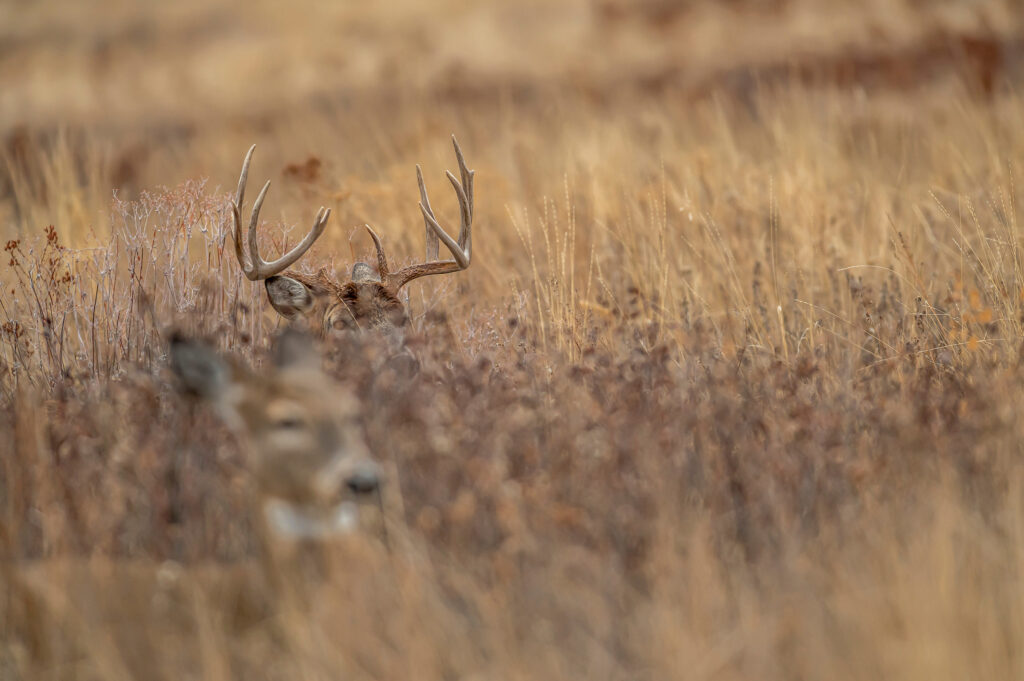
I would never suggest blowing up a hunting area on a Hail Mary if you think a little patience will pay off later. However, if you’re working with limited time, having eyes on a shooter buck is information you may want to act on. We’ve all been there. You spot a buck locked down and bedded with a doe through our binoculars while sitting in a tree well out of range. But if you have a few factors in your favor, you absolutely can make a move. A visual barrier like a hill or dense cover and some cover sound, such as an afternoon wind, can disguise your movements, and turn these situations into big opportunities. Just make sure to take your time and keep an eye peeled on those deer, especially the doe—the savior of many a brain-dead rutting buck in mid-November.

ALL NEW! 1871 CLUB FIELD TRIPS