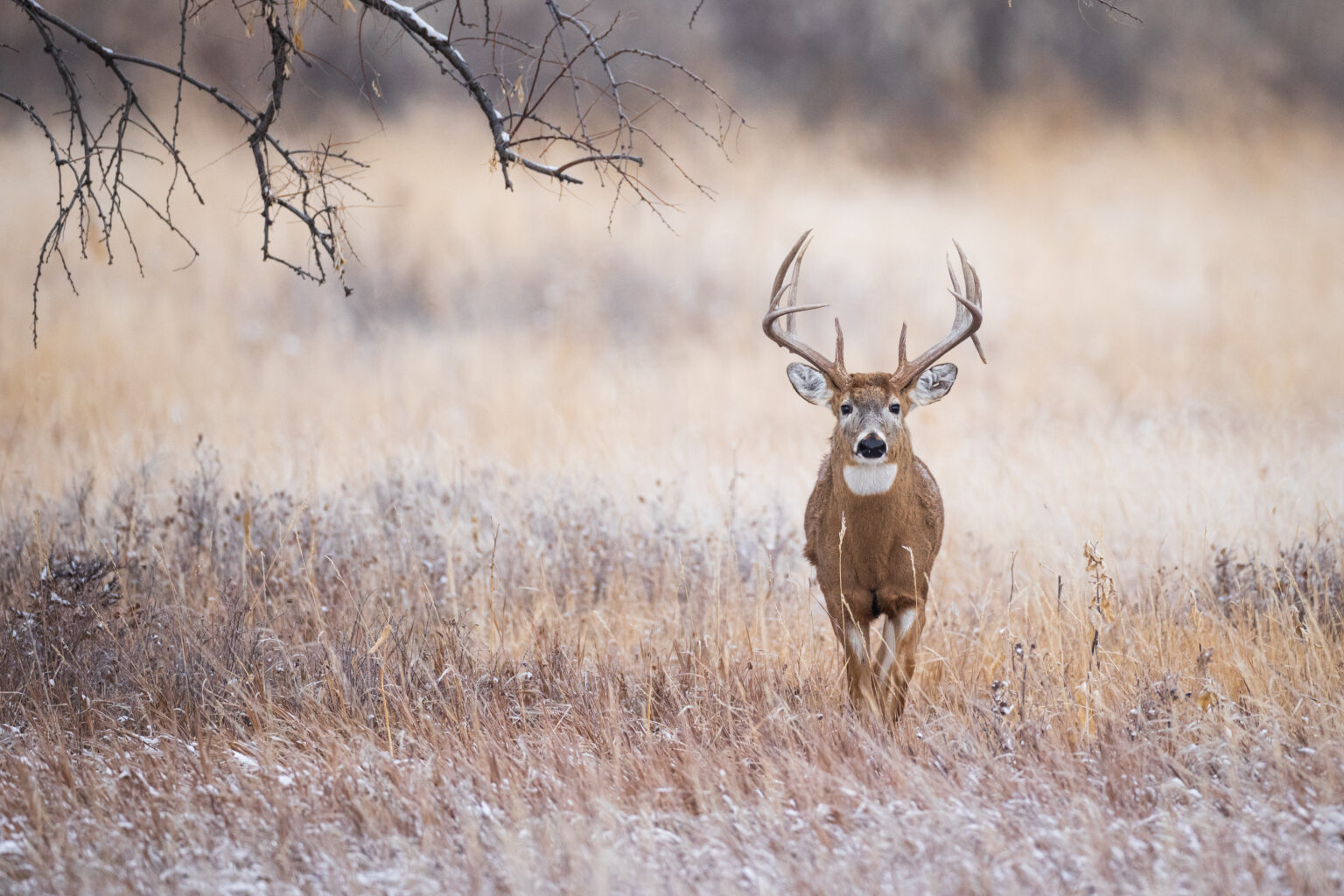
Last fall, a tall 8-point Michigan buck showed me just how good—and lasting—the action can be during the first few days of November. The buck hit my mock scrape twice during daylight, which tipped me off that it was time for a strategic hunt where a small woodlot met standing corn. Between my hunt that evening and another the next morning, I had nearly a dozen encounters with the buck as he zig-zagged his way through the broken acres of timber and ag fields, feverishly seeking a receptive doe. The flurry of activity finally ended when he stepped into one of my shooting lanes at 11:10 am.
Bucks are transitioning into full-blown seeking mode right now, and I’m betting that this coming Tuesday will be one of the best days of the year to be on stand. Of course, it is a big election day across the country, so hopefully you voted early or sent in that absentee ballot, because this is a day you’d probably rather be hunting over a scrape line than standing in line waiting to cast a ballot. Here’s what to expect and how to proceed for your best shot at tagging out on Tuesday.
Related: The Best Days of the 2026 Whitetail Rut
Rut Phase: Late Pre-Rut/Seeking
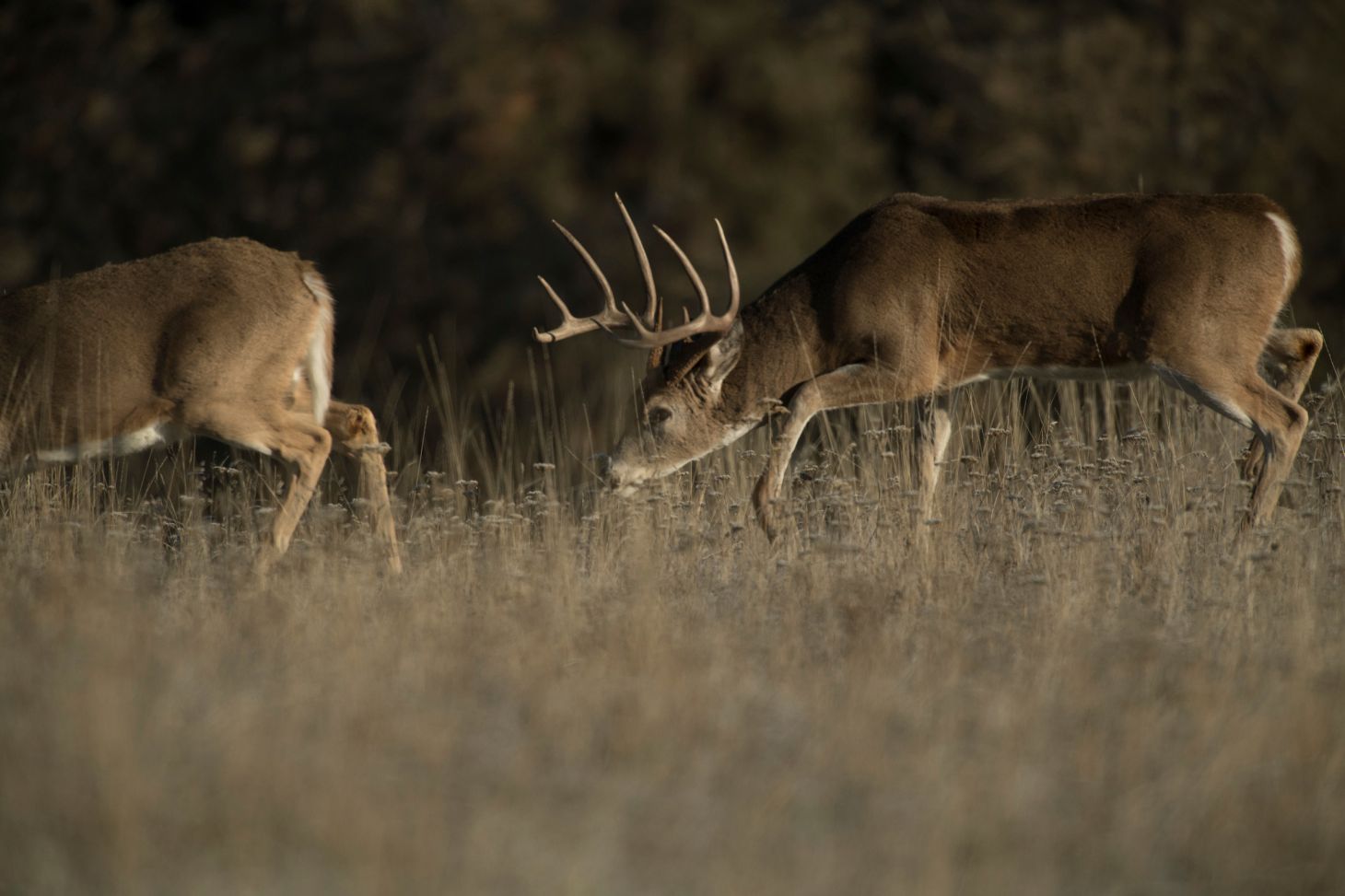
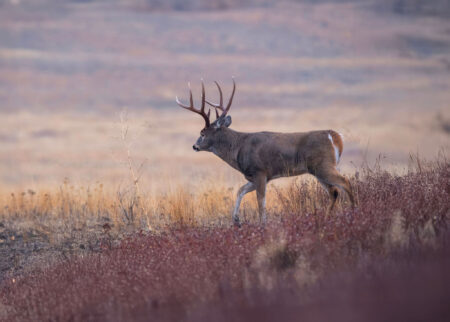
Rut hormones are starting to peak in bucks across much of whitetail range, and more and more does are showing signs that they are ready or nearly ready to breed. It should all add up to great hunting. Bucks, young and old alike, are in seeking mode now, often visible in daylight hours and moving more with each passing day.
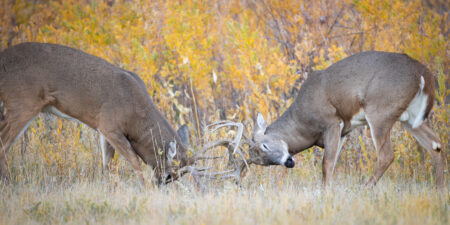
This is the height of what I’d call the late pre-rut, with bucks largely still hitting scrapes, but possibly your last chance to catch up to a homebody buck before he abandons those scrapes and gets wildly unpredictable in the all-out chasing phase of the rut. Now, more than ever, bucks are susceptible to a wide range of calling and decoying tactics, as their default safety mode is being overridden by their urge to reproduce. This makes setting up “close enough” a viable strategy for bowhunters with a grunt call in pocket and a set of rattling antlers in hand. So, on this Best Day of the Rut, elect to pack a lunch, sit long, and be ready to shoot on a moment’s notice, because bucks are sure to be on the move.
November 3 Morning Hunt Plan: Sit a Junction Near Doe Bedding
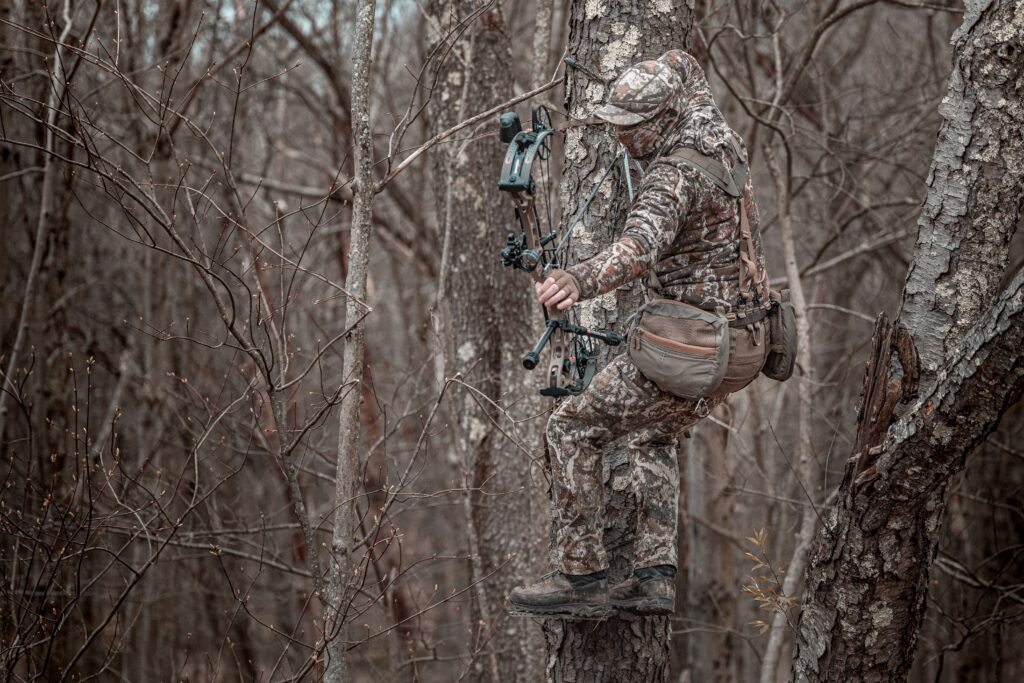
Things change fast in the whitetail world, and staying on top of current sign can make or break your pre-rut hunting. Hopefully you’ve been scouting as much as hunting since our last Best Day. A big mistake many hunters make is thinking more time on stand will mean more opportunities, while ignoring the scouting that actually leads to high-quality sits. At this time of year, a scrape that was smoking hot last week may be stone cold when you show up, so use a weather event or midday break in your schedule to speed-scout for the latest sign and use that info to direct your hunting decisions. This could be checking a low-intrusion camera or cruising those scrape lines to confirm recent activity. Just try to minimize your impact and keep it as low key as possible.
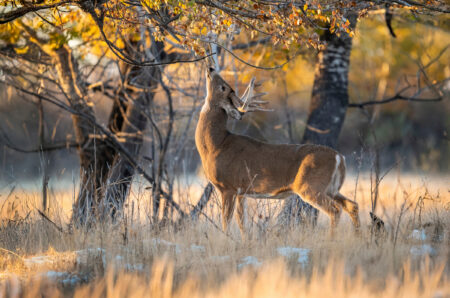
For your morning hunt, thinking like a buck and focus on the does. Look for a transition area near known doe bedding where you can catch them returning in the morning hours. Bucks will be close behind. Focus on zones with numerous attraction factors or lines of travel to increases your chances. These factors could include a scrape line, convergence of well-used trails, a fruit tree, or multiple edges of cover necking down to one location. These things will steer deer traffic right past a carefully placed stand and multiply your chances of encountering a doe-seeking buck.
With my 2025 Michigan 8-point, the only standing corn in the area, just 30 yards from my stand, was prime doe bedding. This kept the tall 8 in the area and constantly moving, attempting to see if a doe was just behind the next stalk. The block of woods created four edges where it met a neighboring chunk of timber, encouraging deer to naturally move past my stand as they followed these edges. The last factor was a mock scrape the buck had taken over, which I set in August with just this time frame in mind.
Find a similar transition zone near does and stick it out. Even if a buck happens to sneak by you, there’s a good chance he’ll be back soon to re-check the area. Be sure to avoid areas where the deer will travel as you enter. For this killer morning ambush to work, you’ll need get settled early—like and hour early—to make sure you beat the deer back to their bedding transition. And don’t be in a hurry to leave either. Remember, I shot that tall 8-point at 11:10 am last year.
Related: 50 Expert Tips for Hunting the Whitetail Rut
November 3 Evening Hunt Plan: Try a Food Plot Stake-Out
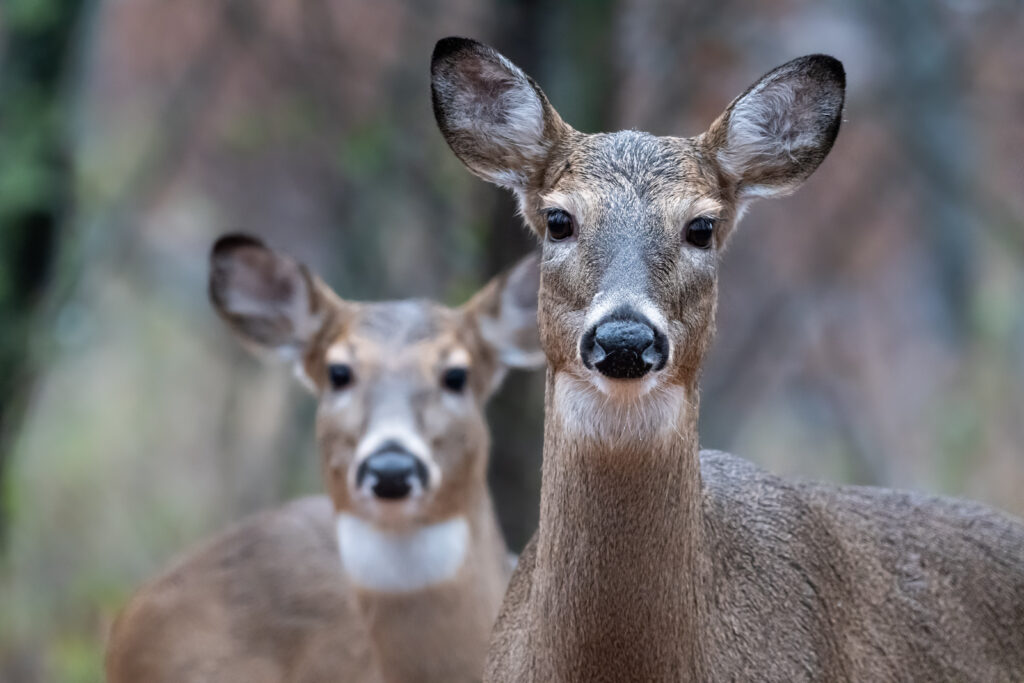
You can’t go wrong with an evening sit at a food-plot, ag field, or other prime feeding area that you know does are hitting consistently hitting it. They will essentially be your real-life decoys. Nearby bucks will have a hard time resisting coming into the open to check on any mature doe they see, even if they aren’t quite in estrus, giving you an opportunity if you’re ready. And speaking of being ready, it’s a good idea between and just before hunts to practice getting drawn quickly, fast target acquisition, judging distance at a glance, and stopping a buck with a mouth grunt or bleat.
As for the evening hunt itself, this is prime time to employ a 3D decoy and deep-sounding grunt tube. I say 3D because, in my experience, 2D decoys at close range can spook deer that can’t see them from certain angles. A realistic 3D decoy can change this, signaling to a passing buck that something has this strange buck’s interest which requires his investigation. Bottom line, if a buck is seeking does in daylight, he’s probably sufficiently amped up to be vulnerable to these ploys.
What about scent? Using a fresh estrus scent now (where legal) could add the realism you need and make decent setup irresistible. Use a drag rope but add this trick: Don’t drag but dab your scent-filled rag on the ground like deer footsteps, exactly what a buck would be tracking. And speaking of scent, yours should be accounted for; use rubber boots to minimize any scent you leave and do your best to allow your scent on stand to blow just off from where bucks are likely to enter. This gives them the ability to scent-check the plot while also feeling safe enough to enter it.
Bonus Tip: Go to the Ground on Public Land
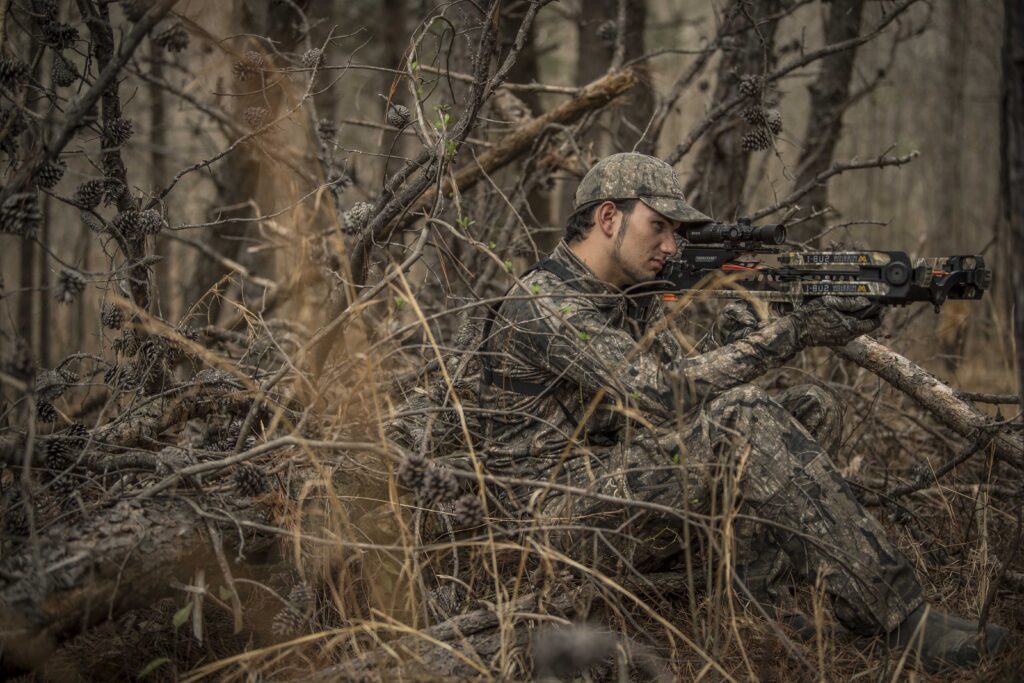
For the diehard public-land hunters out there, this Tuesday could thin out the rut crowd a bit and allow for some natural deer movement patterns, especially in the morning while most people are at work. From my experience, catching up to a buck on public land is still a tough task, especially in pressured areas. Being highly mobile is the fix. If you’re stuck in permanent stands, you may be left out of the action happening just a few yards away in thick cover.
Public-land bucks checking and pushing does tend to stay in denser cover for safety. The solution is to pack that mobile stand or saddle and sticks and adjust to the activity you’re seeing on the fly. If there are no trees big enough for that where the action is, consider a ground sit in exactly the right spot. Use natural cover so you don’t tip deer off to obvious changes to their bedroom or by setting up a blind. Instead, execute a quick, low-impact ambush on a rut-crazed buck on November 3rd.
All new! 1871 Club Field Trips