The Senate is poised to vote on a controversial bill that would overturn protections for America's most visited Wilderness Area—the Boundary Waters Canoe Area Wilderness in northern Minnesota. The bill, which already passed the House on a slim party-line margin, would scrap a 20-year mining ban on a 225,000-acre section of the Superior National Forest immediately upstream of the BWCA, opening the pristine hunting and fishing destination to toxic pollution from a copper-sulfide mine that will be owned and operated by a Chilean mining conglomerate. With the vote expected as soon as Tuesday, February 10, hunters and anglers across the country are imploring their Senators to save the Boundary Waters by striking the measure down.
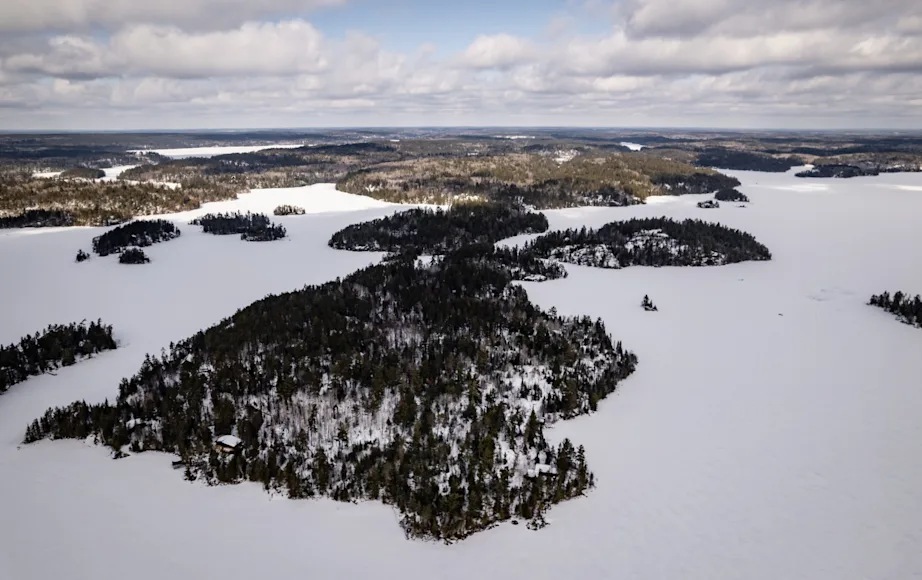
The Boundary Waters Canoe Area Wilderness is home to 1.1 million acres of interconnected lakes, streams, and wetlands. The water there is often cited as being so clean that you can drink it without a filter. This northern Minnesota canoe-country provides crucial habitat for Northwoods whitetail, ruffed grouse, black bear, and other huntable species. And with its thriving populations of smallmouth bass, walleye, northern pike, and increasingly rare native lake trout, the BWCA hosts some of the best wilderness fishing found anywhere in the Lower 48. That is likely to change, however, if Antofagasta—the large Chilean company vying to mine the area's headwaters—is allowed to proceed with its proposed mine.
Opposition Hits a Fever Pitch
As Field & Stream has already reported, Minnesota Rep. Pete Stauber, introduced H.J. Res. 140 in the House of Representatives late last month. Despite longstanding public opposition to mining in the BWCA headwaters, the bill moved quickly through the House before passing on a slim party-line margin, with Montana Rep. Ryan Zinke (a self-proclaimed Theodore Roosevelt Republican and the former Secretary of the Interior) not only voting to strip protections from the BWCA but actively whipping his fellow Republicans to do the same. Stauber's bill is being decried as an illegal move by some because it employs a legislative maneuver known as the Congressional Review Act (CRA), which has never been used to overturn public lands order and would set a new precedent whereby hard-earned public land safeguards can be overturned via Congressional vote in the months and years to come.
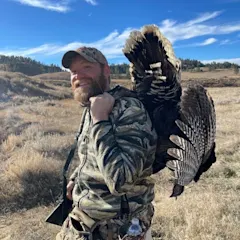
Randy Newberg, host of the Fresh Tracks + hunting show and a weekly podcast of the same name, is one of many prominent hunters speaking out against the proposed mine. "This foreign-owned mining company knows they have unproven technology and that they haven't solved [potential pollution] issues," Newberg, a native Minnesotan who grew up near the Boundary Waters tells F&S. "That's why they're using the CRA and moving so fast that no one really has a chance to weigh in on this."
Newberg says copper mining is new to this part of Minnesota, and that it has a worse environmental track record than iron-ore mining, which was common in nearby watersheds when he was a kid. "Here in Montana, where I live now, pollution from copper mining in the Butte-Anaconda area wiped out and sterilized the entire Clark Fork River," he says. "And the American taxpayers had to spend $2 billion cleaning up water quality issues created by those mining companies because they all went bankrupt and left."
The Department of the Interior issued the 20-year mining moratorium that Stauber's bill would overturn in 2023 after years of rigorous environmental review and a public comment period that produced more than 675,000 comments—the vast majority of which supported long-standing safeguards for the Boundary Waters. Hunting and angling groups like Sportsmen for the Boundary Waters and Backcountry Hunters & Anglers have fought Stauber at multiple turns as he's tried to legislate the Chilean-owned mine into existence. Back in June 2025, for example, he tacked a rider onto the so-called Big Beautiful Bill that would have lifted the mining ban, but that effort ultimately failed.
Poor Environmental Track Record
"There are people locally and nationally who have helped him get elected and those favors don’t come without strings," says Newberg. "He's been to Ely and Babbitt, and he's promised to deliver mining jobs. But outdoor industry jobs that are already there—like guiding and outfitting—will suffer if this mine goes through, particularly if there's a catastrophic failure and this foreign company goes bankrupt and walks away from its maintenance and water monitoring responsibilities, like we saw here in Montana on the Clark Fork."
According to recent reporting in Reuters, Antofagasta was recently fined close $1 million in its home country of Chile for failing to comply with water management regulations at its Centinela copper mine. In that instance, "the company did not keep proper track of water resources and did not follow the monitoring rules outlined in the project's environmental impact study and an additional monitoring plan," Reuters reports.
"Why are we asking the existing businesses who live there—and the American people, who own this land collectively—to burden this liability, and for a project that can't even stand on its own financially?" Newberg asks. He points to out that the antiquated General Mining Law of 1872 , which governs all hard-rock mining on federally managed public land, allows foreign-owned companies like Antofagasta to mine without paying any royalties at all, and to leave taxpayers holding the mess when they ultimately file for bankruptcy and leave the area.
"History tells us that a mine like this in a place with the hydrology of northern Minnesota cannot be done without catastrophic water pollution issues," Newberg continues. "There's no percolation there. The mine waste will hit the granite and flow with the course of water [into the Boundary Waters]. And we're looking at a 100-year project to clean it up. Congress is going to have to own this decision if it goes forward. But we won't know how bad it is for 30, 40, or even 50 years."
According to Lukas Leaf, Executive Director for the Ely, Minnesota-based Sportsmen for the Boundary Waters, now is the time to act if you'd like to speak out against H.J. Res 140. You can call the Capitol Switchboard at (202) 224-3121, tag your Senators in a social media post about the threats that Stauber's bill poses to the BWCA (and all public lands by using the CRA in this manner), or use the Sportsmen for the Boundary Waters action alert page here.