A bill introduced by Minnesota Rep. Pete Stauber would use the Congressional Review Act to overturn a 2023 federal mining moratorium protecting the Rainy River Watershed upstream of the Boundary Waters Canoe Area Wilderness. If passed, it would clear the way for copper-sulfide mining that conservation groups say could permanently damage the walleye, northern pike, lake trout, and whitetail habitat inside the 1.1-million-acre BWCA.
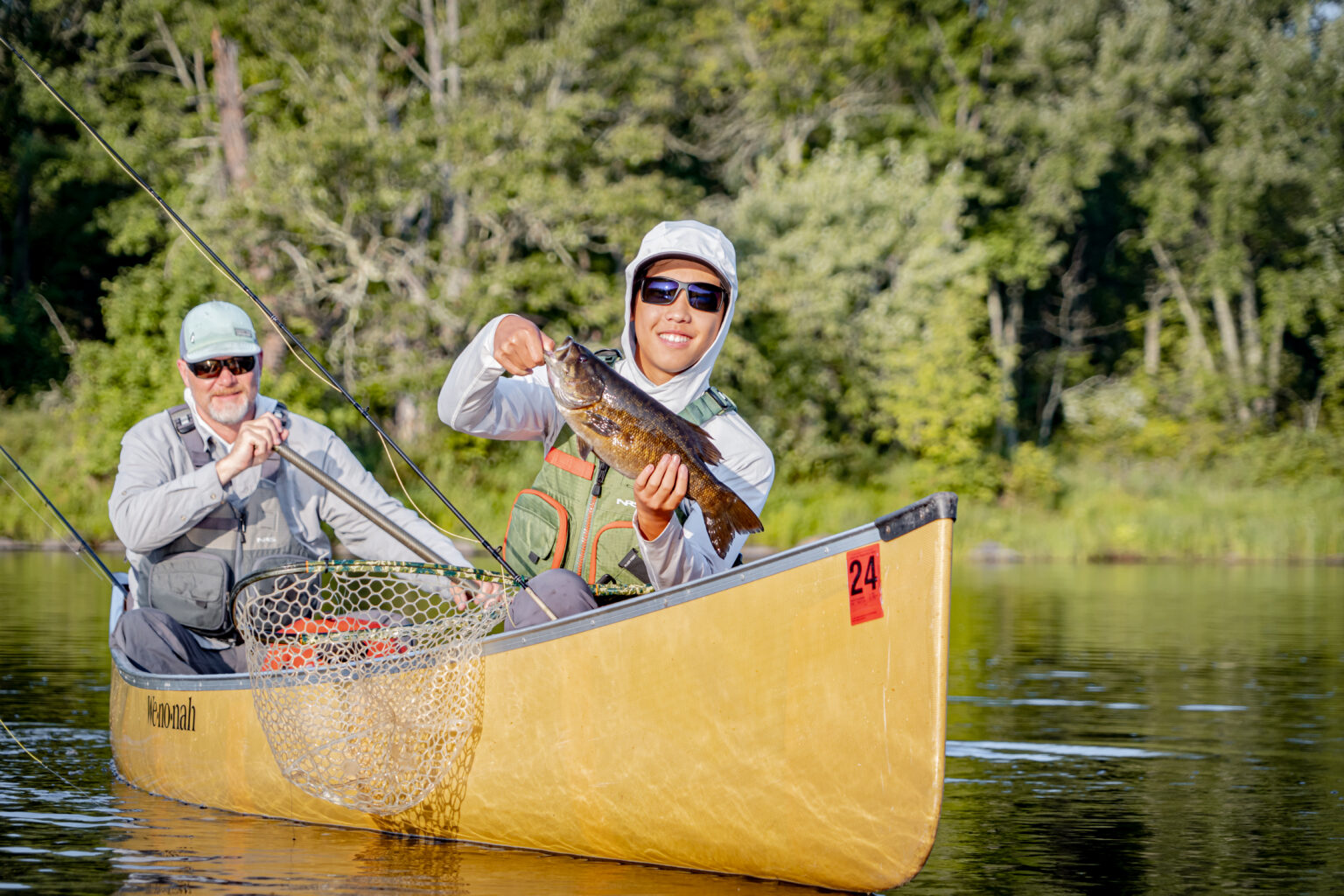
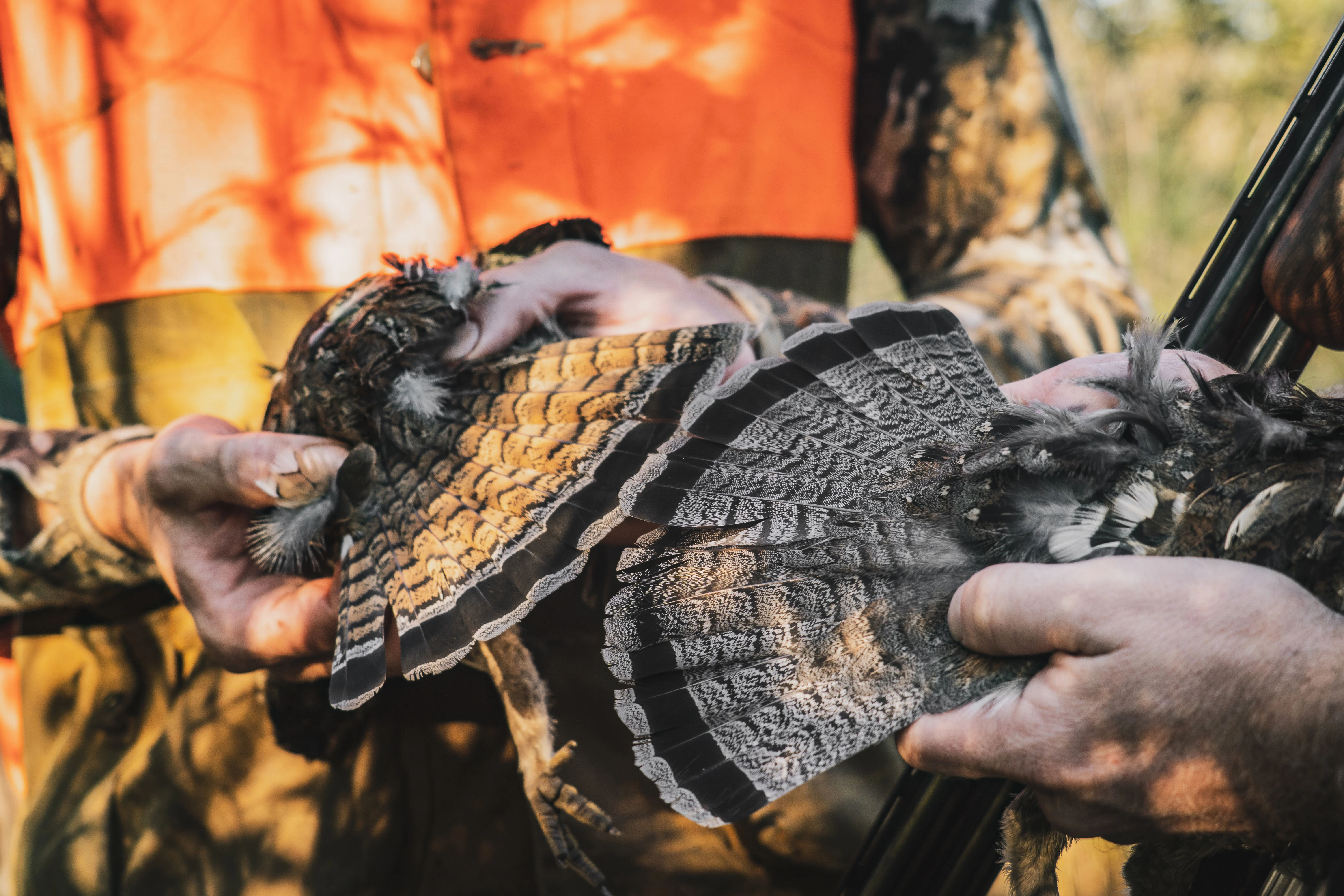
Located in the Superior National Forest of northern Minnesota, the Boundary Waters Canoe Area Wilderness is one of the nation’s most popular and accessible Wilderness Areas. Home to Northwoods whitetail, ruffed grouse, and a network of crystal-clear lakes and streams where walleye, northern pike, smallmouth bass, and lake trout all thrive, the 1.1 million-acre BWCA is a legitimate hunting-and-angling paradise. But the area has long been threatened by a foreign-owned mining company that wants to extract copper-sulfide upstream of the BWCA on land managed by the US Forest Service. Earlier this month, the fight to protect the Boundary Waters hit its latest fever pitch when Minnesota Rep. Pete Stauber introduced a controversial resolution in the House of Representatives that would clear the way for the mine, and, according to a chorus conservationists, cause irreparable harm to the famed hunting-and-fishing destination.
A native Minnesotan, Lukas Leaf has been on the front lines of a heated battle over the future of the Boundary Waters for more than a decade. Leaf grew up visiting the canoe-in Wilderness Area, and today he serves as the Executive Director of a hunting-and-fishing-focused conservation group called Sportsmen for the Boundary Waters. Though it’s hyper-local in its mission to keep the so-called Twin Metals mine out of the Rainy River Watershed, which sits upstream of the BWCA, Sportsmen for the Boundary Waters has gained national acclaim in recent years for its non-stop efforts—even in the face of relentless pressure from Stauber and other well-connected politicians who’ve employed scheme after scheme in hopes of legislating the proposed mine into existence.
Hard-Won Protections in Peril
Leaf and BWCA advocates across the country celebrated back in 2023 when the Biden-led Interior Department, under Secretary Deb Halland, issued a 20-year mineral withdrawal for the entire Rainy River Watershed—a total of more than 225,000 acres throughout the Superior National Forest. That decision came on the heels of extensive public comment periods, from 2016 to 2022, that garnered some 675,000 comments. And a whopping 98 percent of those comments supported long-term protections for the watershed that feeds the Boundary Waters Canoe Area Wilderness.
Though the 20-year mining moratorium is only a few years old, there have already been multiple attempts to overturn it. During last summer’s budget reconciliation battle, for example, shortly before Utah Sen. Mike Lee tried to sell millions of acres of USFS and BLM land, Stauber added his own rider to the House version budget bill that would have scrapped the popular mining ban before the Senate Parliamentarian ultimately killed the provision.
With his latest attempt, Stauber is using the Congressional Review Act in hopes of lifting the moratorium once and for all. If that sounds familiar, it’s because Congress just used the same trick to overturn protections for millions of acres of BLM land in Alaska, Montana, and North Dakota in the fall of 2025. That move was highly controversial as well, though it ultimately passed and was signed into law by President Trump. "Using the CRA to overturn a mineral withdrawal on public land is an unprecedented move," Leaf says. "This is one of those all-hands-on-deck moments. This resolution has potential implications for protected public lands nationwide. It could open the door for Congress to review and overturn mineral withdrawals across the country."
Stauber appears to have the Trump Administration's full support in his effort to tear down the 20-year mining ban in the Rainy River Watershed. His resolution, entitled HJ Res 140, comes after both Brook Rollins, the head of the USDA, and Doug Burgum, Secretary of the Interior, expressed support for copper-sulfide mining near the BWCA.
In an X post from June, Rollins said her agency—which oversees the US Forest Service—was "initiating the process to cancel the mineral withdrawal in the Rainey River watershed on the Superior National Forest," adding that, "after careful review, including extensive public input, the US Forest Service has enough information to know the withdrawal was never needed." The X post raised eyebrows and left conservationists confused at the time—particularly given the high degree of public support for BWCA protections borne out during comment periods leading up to the 2023 mining moratorium.
In a more recent press release, Stauber called the 20-year mineral withdrawal an illegal action. “I am proud to stand with the hardworking men and women of Northern Minnesota and protect our region’s way of life and our rich, 145-year mining history," his statement reads. "I look forward to Congress’s swift consideration of H.J. Res. 140, so we can send this resolution to President Trump’s desk and prevent future administrations from enacting similar, dangerous mining bans in the future.”
Foreign Interests Will Benefit
Twin Metals is a Minnesota-based subsidiary of Antofagasta Copper. Antofagasta is the Chilean mining conglomerate that's been vying for permits to mine near the Boundary Waters for over a decade. In an exchange with Rep. Teresa Ledger Fernandez during a House Rules Committee meeting on Jan. 20, Stauber was forced to admit that the Twin Metals mine would benefit a foreign-owned company, and potentially an adversarial nation, more than the American citizens who collectively own the public land where the copper is located. "It's not an American company," Stauber said, when pressed by Ledger Fernandez during questioning, adding that the copper extracted from the Rainy River watershed was bound to end up "overseas."
According to Ledger Fernandez, the most likely destination for raw copper ore mined from the Rainy River Watershed is China. That's where Antofagasta does its current smelting, and the United States lacks the proper processing facilities to handle the ore. "If they [make] one little mistake, it's going to harm this precious resource of water," said Ledger Fernandez. "This is a resource that belongs to the American people, and where it's going to end up, is on a boat in China."

According to Leaf, Stauber's resolution could pass the House on a simple Republican majority, if it proceeds without filibuster. If it reaches the Senate, there's some speculation as to whether or not the Senate Parliamentarian, who killed Stauber's attempt to overturn the moratorium during last summer's budget bill, will allow it to move forward.
In an Instagram post sent out Monday, January 19, Ryan Callghan, CEO and President of Backcountry Hunters & Anglers, echoed Leaf's opposition to Twin Metals proposed mine and encouraged BHA members to contact their Senators and Representative to express opposition. "The downstream effects of open-pit copper-sulfide mines are not good, unless you like acid in your water," Callaghan said, "and this mine has the potential to do that," adding that hunters and anglers should contact their representatives to express their opposition as soon as possible.
Read Next: Nominee to Head BLM Has History of Supporting Public-Land Sell-Offs
If you'd like to weigh in on the issue, call the Capitol Switchboard at 202-224-2131 and ask to speak to your Congressional Representatives in both the House and the Senate, then tell them to vote not on HJ Res. 140. You can also email them through this action link via Sportsmen for the Boundary Waters. A full House vote on the Resolution is expected as soon as Wednesday, January 21.
The Boundary Waters fight is a case study in how quickly hard-won conservation gains can unravel. A 20-year mineral withdrawal backed by 675,000 public comments—98 percent in favor of protection—is now one Congressional Review Act resolution away from being erased. For hunters and anglers, that should land hard. The BWCA is not an abstraction. It is one of the most accessible wilderness fishing destinations in the country, and the threat to it is not hypothetical. What happens upstream of the Boundary Waters does not stay upstream.
THE 1871 CLUB