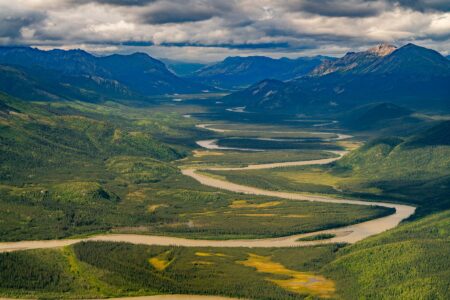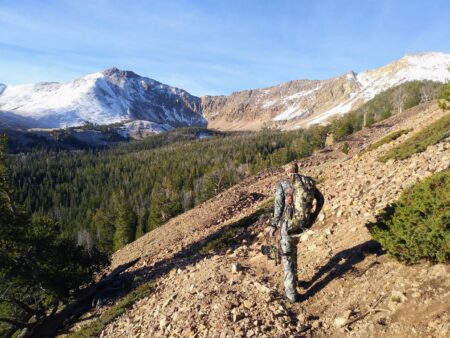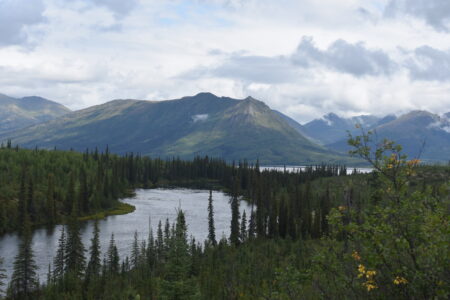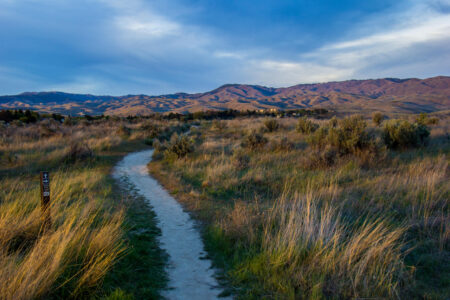
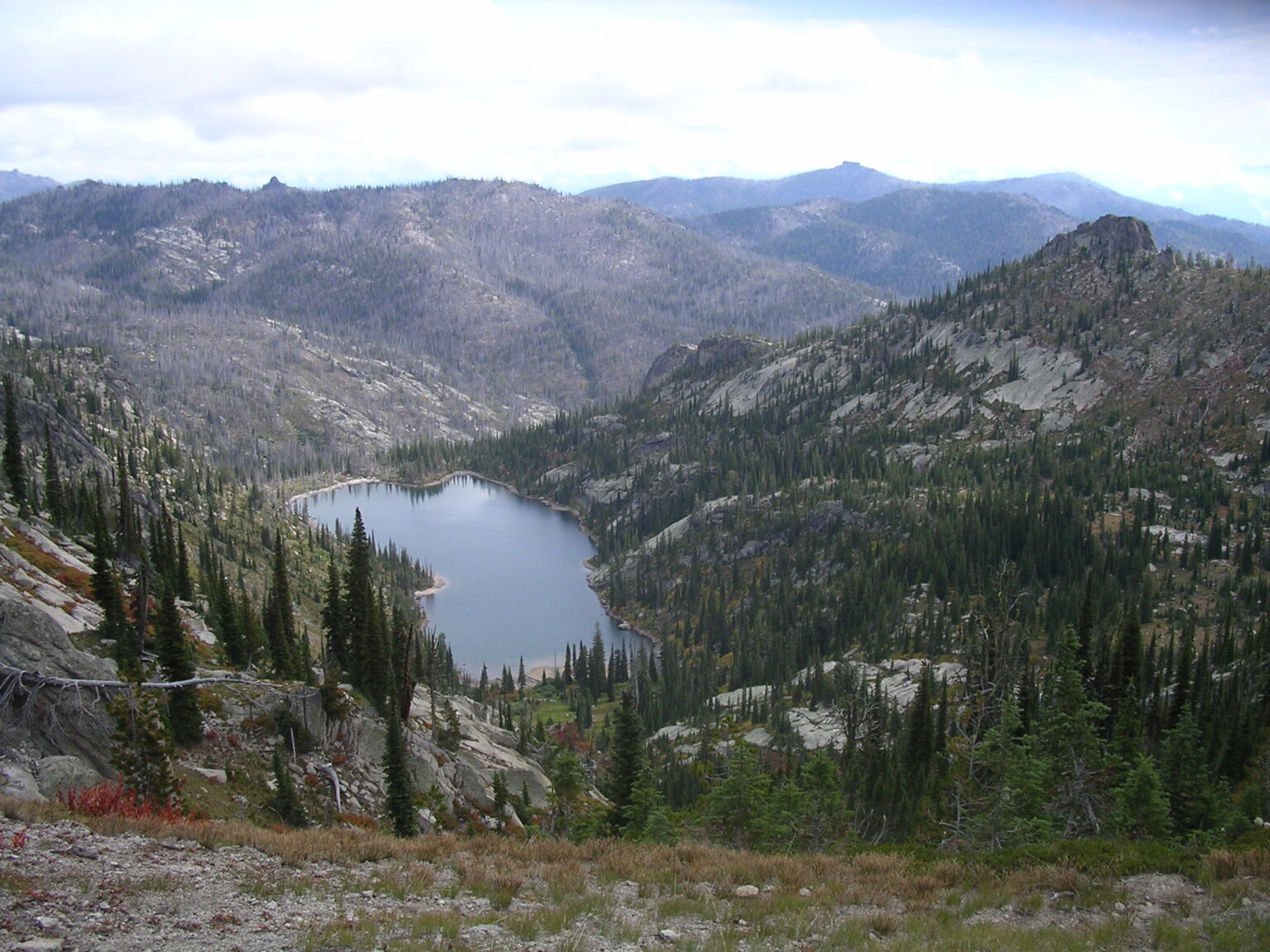
Last week, Idaho congressman Russ Fulcher sent an open letter to his state’s elected officials stating his desire to transfer Idaho’s federal lands to state management. The announcement has prompted immediate backlash from conservationists, who say that such a move could be detrimental to public land management and ultimately lead to sell offs.
Like other Western states, Idaho has a high proportion of federally owned public lands, with 62 percent of the state’s land under federal jurisdiction. Fulcher says that federal agencies are not doing a good enough job of managing them. “In Idaho, our public lands are a treasured part of our way of life, offering recreational opportunities, abundant resources, and natural beauty,” he wrote. “It is clear to me that the federal government—who is effectively our landlord—has failed to manage the lands wisely and has been derelict in working with state and local entities to reduce the risk of wildfires, provide the public with better access to natural resources, and address the overall health of our lands.”
Public land advocates say the reality is more complicated, and that transferring public lands to state control would come with serious drawbacks. A 2011 study, for example, showed that such a move could cost Idaho up to $111 million annually. More recently, a Montana Wildlife Federation report showed that transferring federal land to state control in the neighboring Treasure State could cost nearly $8 billion. The states simply can't afford the high costs of wildfire mitigation, wild land fire fighting, and mine reclamation, because they don't have access to the much larger pool of federal tax dollars, land transfer opponents point out.
It's also worth noting that states charge significantly higher grazing fees compared to federal agencies, meaning a land transfer to state control could dramatically impact ranchers. Ultimately, the high cost of managing so much land could lead states to do a poorer job of it, or worse—and more likely—auction it off to the highest bidder to make ends meet. That scenario is already playing out in Idaho, and in states like Utah, where the state's School and Institutional Trust Lands Administrations (SITLA) has sold off more than 4 million acres of public land since it was established in 1994.
While Fulcher said his intention was not to sell off public lands, local conservation groups are worried about that fate. “We had bills in our legislative session in Montana looking to sell off the majority of our state-owned land,” Ryan Callaghan, incoming President and CEO of Backcountry Hunters & Anglers, tells Field & Stream. “Every state out there has sold public land. It’s a current issue.”
Callaghan also notes that, even if Idaho were to manage the lands without privatizing them, recreational users like hunters and anglers may not benefit. That's because states often manage for monetary gain and don’t have the same multi-use mandates as federal agencies. “You can’t camp on Colorado state land. We only got public access to Montana state land about 20 years ago. In Wyoming, the state decided it would be more monetarily beneficial to prevent non-residents from hunting in wilderness areas in the state,” says Callaghan. “State actions can greatly inhibit American freedoms. This idea that the states can manage land better in a lot of ways is not often born out for [hunters and anglers].”
Instead, conservation advocates say a better solution would be for Congress to invest more resources into land management on a federal level. “Representative Fulcher is right: If you’re willing to give up, it’s inevitable that states are going to have to take over federal public land. We’ve dug ourselves into a hole by gutting federal agencies and the litigious quagmire that has prevented good land management,” says Callaghan. “But every hunter and angler knows the good feeling of busting your ass on something that’s hard. Our federal estate is worth busting our asses for. Divesting ourselves of our public lands would be like spitting on the hard work of those that have come before us and quitting.”
Read Next: Wyoming Bill Could Privatize the State’s Big Game Animals
“Handing over or selling off these lands is not the answer,” echoed Rob Mason, Idaho State Director for The Wilderness Society, in a press release. “The responsible path is working together — counties, the state, Idahoans, and our federal delegation — to improve management while keeping these lands in public hands, so future generations can have the same freedom we do to explore the great outdoors.”
All new! 1871 Club Field Trips