Editor's Note: This story is a guest post written by U.S. Congressman Gabe Vasquez, of New Mexico. Rep. Vasquez is a conservationist, public-lands advocate, and lifelong hunter and angler. He was also once a character in an F&S adventure story written by Hal Herring.
On a pitch-black night near the I-25 overpass in Hatch, New Mexico, we laid in the tall desert grass bedded like mule deer, admiring a canopy of stars, getting the smell of chicken liver off our fingers, and asking ourselves if aliens really existed. We laughed as swarms of mosquitos made a meal out of us and patiently waited for the catfish to bite. We had decided it was worth it.
I was watching my captive prey—a desert box turtle that I’d convinced my dad to let me keep as a house pet—when the copper bells atop our fishing rods started to sing. In an instant, my brother and I were racing toward the rods, stumbling across the dark desert grassland and wondering who’d win our made-up fishing tournament. The prize: catch the biggest catfish, and you get to name the turtle.
A Life Shaped by Public Lands
That night spent with my dad and brother as a young boy is among my earliest memories of falling in love with the outdoors and, eventually, with conservation and public lands. It was a uniquely American experience—and in this case, fishing the dwindling Rio Grande with rods and fishing licenses from Walmart in the Chile Capital of the World. It was a uniquely southern New Mexico experience.
Today, I find myself as a Member of Congress representing that very district, and that very patch of grass, that helped shape my life. In 2025 year, I co-founded the bipartisan Public Lands Caucus with U.S. Representative Ryan Zinke of Montana. Together, we decided to put Washington politics aside and work toward an issue we both care about: Keeping Public Lands in Public Hands.
The idea came about six months ago, when I asked Emily, one of my staff members, “Has anyone ever created a Public Lands Caucus?” The answer, to my surprise, was, “Nope.” Given the bipartisan nature of conservation in our nation’s history, I said, "Well, we’re going to do it."
America's affinity for conservation and wildlife transcends race, gender, political party, and whatever category you want to throw at folks who love the outdoors. That's why the Public Lands Caucus has grown to include 11 Republicans and 11 Democrats. U.S. Rep. Mike Simpson of Idaho and U.S. Rep. Debbie Dingell of Michigan serve as Co-Chairs, along with a roster of legislators from across the country who agree that protecting public lands is a bipartisan issue.
Sell-Off Threats Emerge
Just a few weeks later, U.S. Rep. Mark Amodei of Nevada proposed an amendment to sell off hundreds of thousands of acres of public lands in Nevada and Utah, which was eventually removed from the House reconciliation package thanks in large part to this bipartisan coalition that we built in New Mexico and Montana.
Americans in the West have seen this movida for generations—folks trying to sell off our nation’s heritage under some gimmicky pretext when really, it’s to benefit industry and the wealthiest who can afford to buy up our forests, mountains, and rivers, leaving everyday people in the dust behind a locked gate.
I was proud that my Co-Chair, Mr. Zinke of Montana, announced his opposition to Amodei’s proposal during the press conference that launched the Caucus. His leadership in a Republican-controlled Congress is what we needed to stand up for American values and eventually, defeat Mike Lee’s even more outrageous sell-off plan in the U.S. Senate.
A Legacy Worth Fighting For
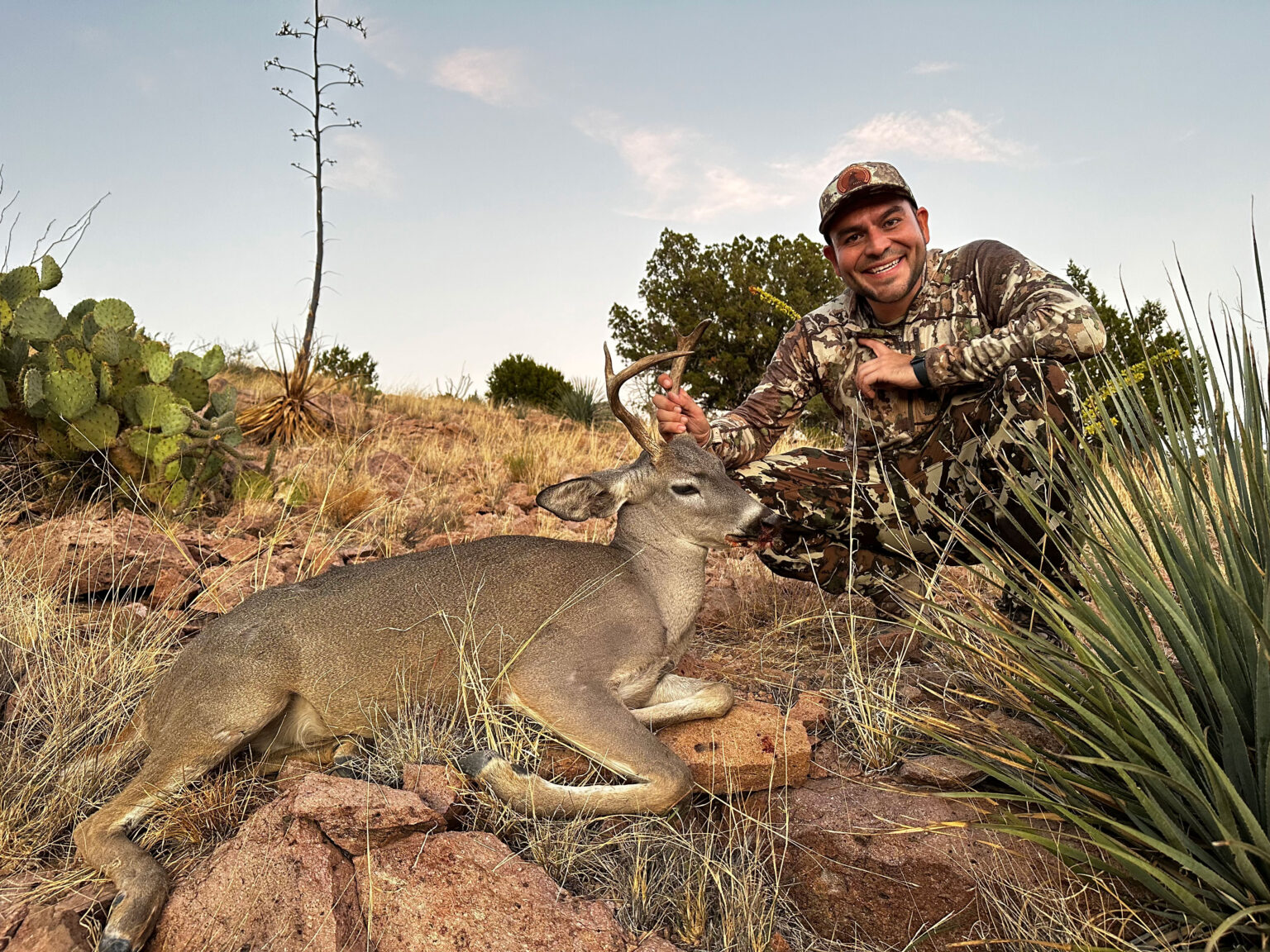
In my home district of New Mexico, where we stalk mule deer in the arroyos, hunt Coues deer on horseback, and chase elk in the high mountains of the Gila, public lands define who we are—even those kids like me, who may only get to fish for catfish under an overpass.
The truth is, beyond recreation, heritage, tradition, and sustenance, public lands bring immense economic opportunity to rural communities—places like Silver City, Glenwood, Lordsburg, Carlsbad, Kingston, Magdalena, and Pie Town in my district. Whether they serve as hunting hubs or gateways to our nation’s first wilderness, these rural communities thrive on access to public lands. And regardless of our politics, we agree that we want to keep them wild, well managed, and accessible for all.
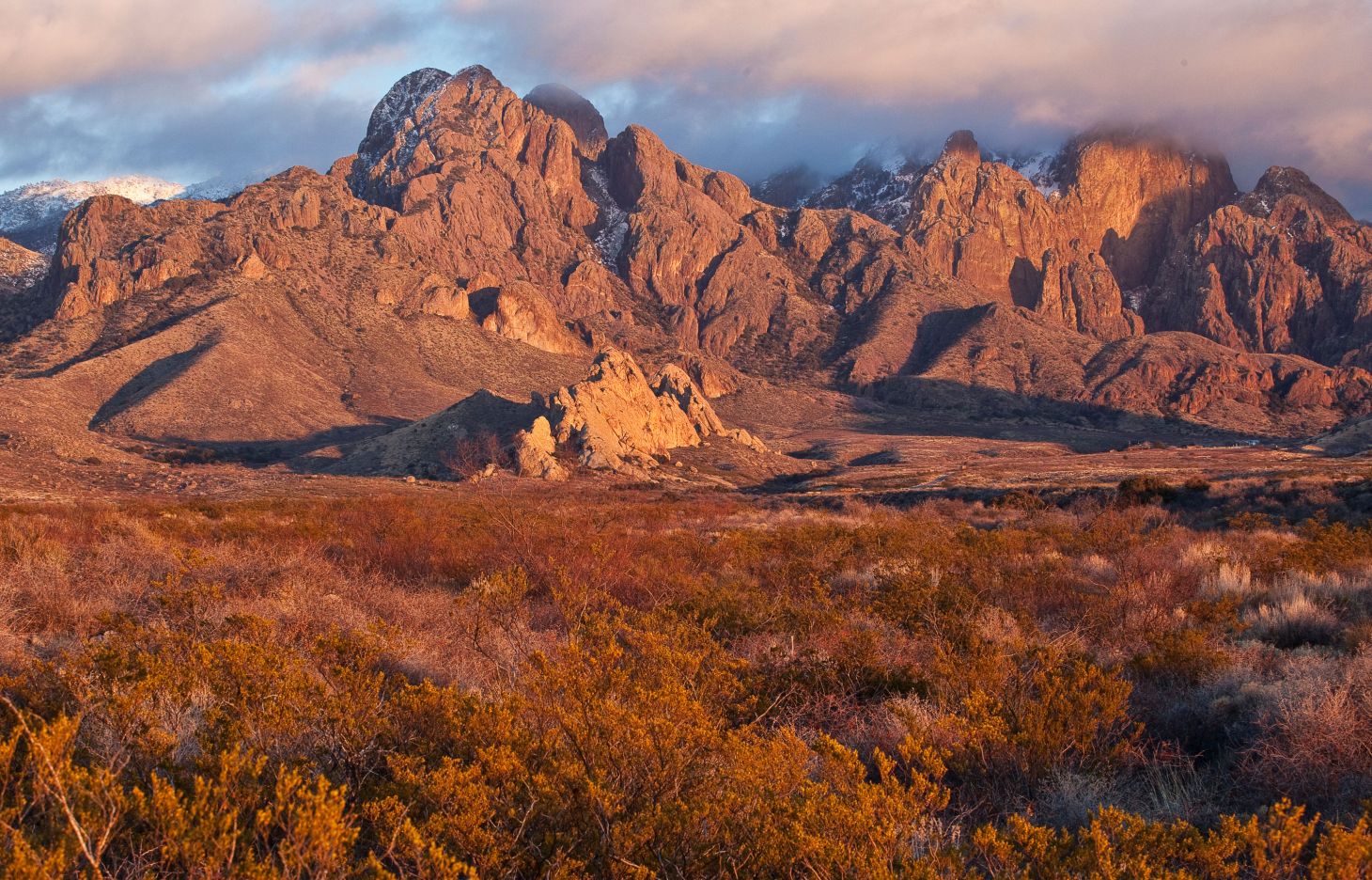
Before coming to Congress, I did my fair share of advocating for these places: helping to get the Organ Mountains-Desert Peaks designated as a National Monument, preventing a catastrophic Gila River diversion, fighting to protect the largest intact Chihuahuan Desert Grasslands at Otero Mesa, and pushing back on former members of Congress in the very district I represent today. They held a much different view on the value of public lands than I do.
The way I see it: We can’t hunt if elk herds are decimated; we can’t fish if our watersheds burn and we roll back clean water protections; and we can’t train our dogs if there are no quail on devastated, drought-stricken grasslands. Most importantly, though, we can’t pass on those traditions to our own kids if we don’t put up the fight that’s calling on all of us today.
That’s why I’m so grateful for the bipartisan coalition of hunters and anglers, birders and campers, mountain bikers and backpackers, mountain climbers and skiers, and paddlers and hikers who stepped up and put politics aside to create a grassroots movement to oppose the latest public-land grab. That’s what allows our bipartisan Public Lands Caucus to build strength and consensus.
The Battle Continues
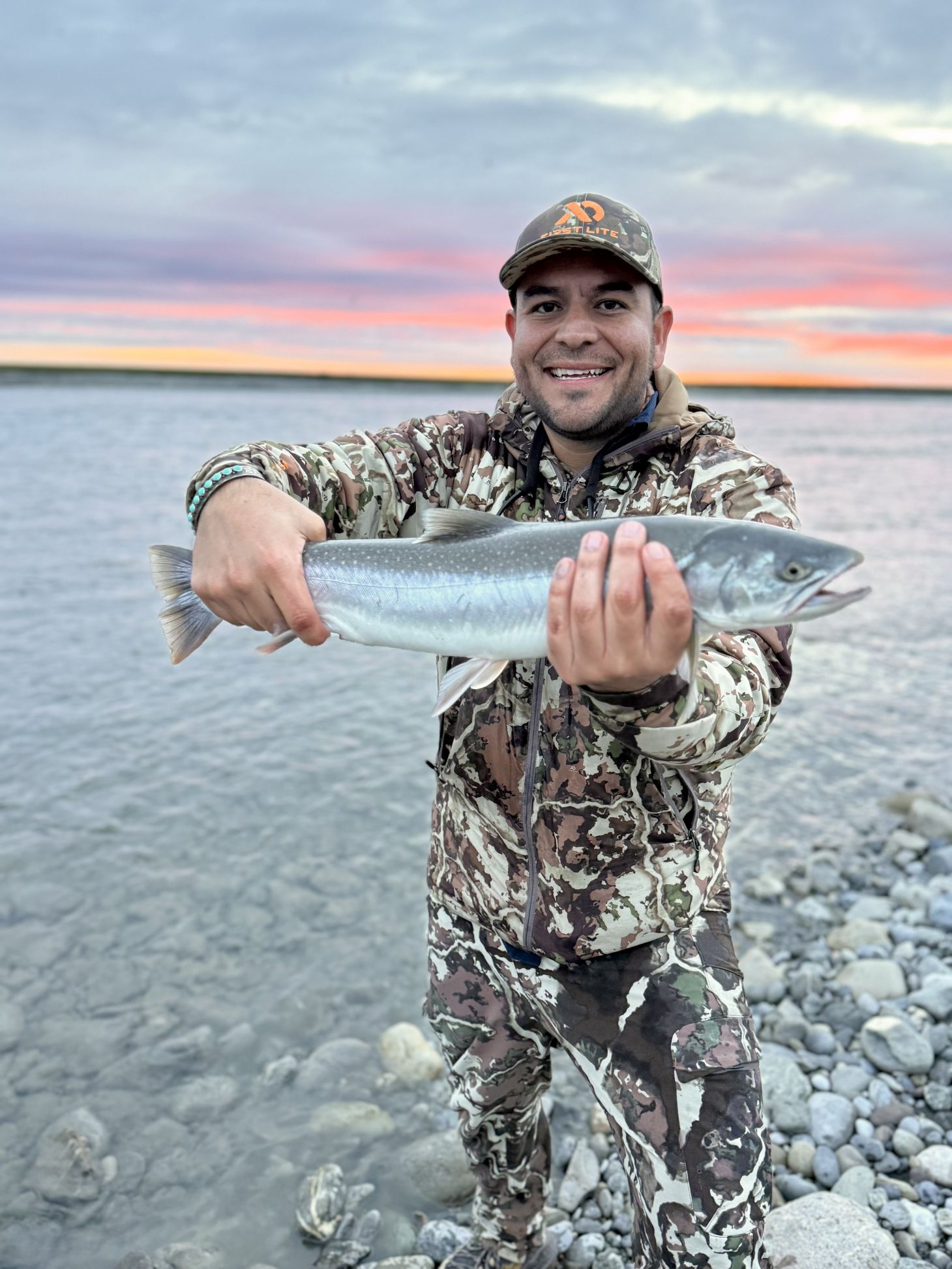
We know the attacks will keep coming. Representing a border district, I see right through Senator Lee’s latest proposal, the Border Lands Conservation Act. I’d invite Senator Lee to come visit New Mexico’s boot heel and join me to hunt Montezuma Quail in the Coronado National Forest or Coues Deer in the Animas Range. And I dare him to tell me that our border lands—south or north—shouldn’t be protected and accessible to all Americans.
Senator Lee’s proposal would fundamentally change public access and management to some of our most treasured landscapes—places like Big Bend National Park, Glacier National Park, and the Boundary Waters in Minnesota.
The fine print of this very bad bill impacts all public lands within 100 miles of our southern and northern borders, with one goal in mind—destroying the integrity of these lands with the eventual goal of privatizing them or selling them off to the highest bidder. I support strong and secure borders, but this isn’t the way to do it.
In this country, public lands are the great equalizer. Both Republicans and Democrats have fought to protect them for generations. Just take it from the great Teddy Roosevelt, who in his seventh address to Congress in 1907, wisely pointed out that, though “we are prone to speak of the resources of this country as inexhaustible; this is not so.”
As hunters and anglers, we know that to be true. Whatever political side we may choose to hang our hats on, we are bonded by the common experience of harvesting our first animal or gutting our first fish. That common feeling of seeing the lights dim from a life we’ve taken, then taking joy in bringing it home to our family for nourishment and companionship.
It’s that feeling that ignites a lifelong desire to protect wildlife and our public lands at all cost, and I encourage you to continue the fight in any way you can. Support the work of the Public Lands Caucus. Write your members of Congress. Volunteer for a local habitat or trail project. Join a conservation organization. Be a public lands voter. Put politics aside and fight for the next generation.
Lastly, I’m proud to say that I won the Chile Capital Catfish Circuit, so I got to name the turtle. I named him Flash, after my favorite comic book character. He lived a hardy 8 years and ate all my lettuce.